
Inside The Alleged Coup: Court Hears Details Of Plot To Overthrow Tinubu Government
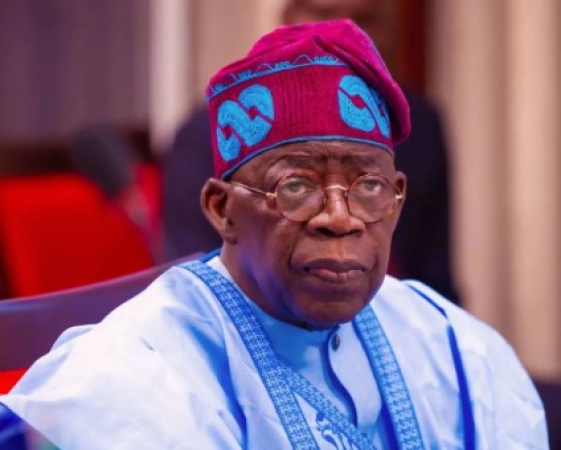
Court Hears Explosive Testimony on Alleged Coup Plot
FRESH revelations have emerged at the Federal High Court in Abuja as the Nigerian Army confirmed the existence of an alleged plot to overthrow the administration of Bola Ahmed Tinubu.
A key prosecution witness—an operative of the Nigerian Army Corps of Military Police—testified under anonymity, detailing how intelligence reports led to the uncovering of what authorities described as a coordinated coup attempt involving both military and civilian actors.
High-Profile Defendants and Expanding Allegations
Among those standing trial are retired Major General Mohammed Ibrahim Gana, retired Naval Captain Erasmus Ochegobia Victor, and Police Inspector Ahmed Ibrahim, alongside three other defendants.
The case has also drawn heightened attention following the mention of Timipre Sylva, a former governor and minister, who prosecutors allege fled the country prior to the exposure of the plot.
All defendants have pleaded not guilty to charges including treason, terrorism, and money laundering.
Intelligence, Arrests and Forensic Evidence
According to the witness, the investigation began after the Chief of Army Staff received credible intelligence linking Colonel Mohammed Alhassan Ma’aji and others to a planned regime change.
Subsequent operations led to the arrest of the colonel, during which investigators recovered critical materials, including a mobile phone and a handwritten notebook.
The notebook allegedly contained detailed plans, including names of key government officials, strategic targets, and proposed structural changes to be implemented after the coup.
Forensic analysis of the recovered phone reportedly revealed communications, coded language, and financial links connecting the defendants to the alleged conspiracy.
Financial Trails and Alleged Funding Network
Prosecutors told the court that financial records obtained with the assistance of the Economic and Financial Crimes Commission exposed a network of transactions allegedly used to fund the plot.
A company identified as “Purple Wave” was described as a conduit through which large sums—running into hundreds of millions of naira—were disbursed.
The witness detailed multiple transactions between September and October 2025, which investigators claim were disguised but ultimately traced to activities supporting the alleged coup.
Meetings, Targets and Operational Plans
Testimony further indicated that several meetings were held in Abuja locations, including private apartments and hotels, where participants allegedly discussed regime change and operational strategies.
Authorities claim the plot included plans to target military facilities, seize strategic infrastructure, and neutralise senior officials.
Investigators also alleged that roles were assigned among participants, including post-coup appointments and structural reorganisation of government agencies.
Legal Battles Over Evidence and Witness Protection
The proceedings have been marked by legal disputes over the admissibility of evidence and the protection of witnesses.
Justice Joyce Abdulmalik granted the Federal Government’s request to shield the identities of certain witnesses, citing the sensitive and security-related nature of the case.
Defence counsel, however, argued that full anonymity could undermine the defendants’ right to a fair trial, urging the court to balance security concerns with due process.
Trial Adjourned Amid Heightened Public Interest
The court admitted several exhibits, including financial records and digital evidence, while directing that all materials be made available to the defence.
The case has been adjourned to 4 and 5 May for continuation of hearing.
As proceedings continue, the case is expected to test Nigeria’s legal and institutional response to allegations of threats against democratic governance.
