
From June 12 To Prosperity: Tinubu Outlines Nigeria’s Next Democratic Chapter
Democracy at 27: A Time for Reflection
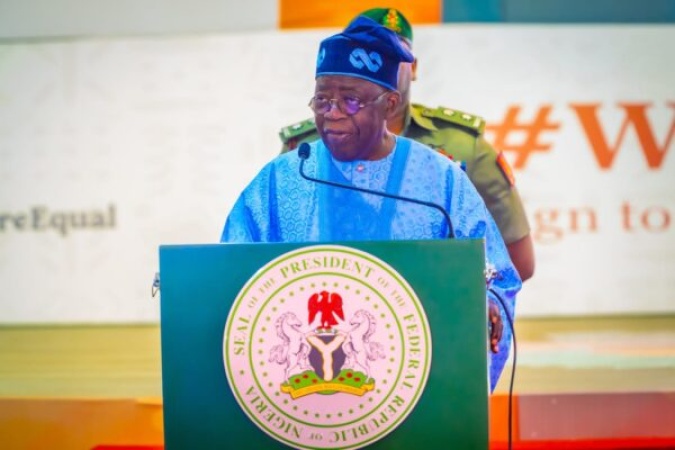
AS Nigeria commemorated 27 uninterrupted years of civilian governance, President Bola Ahmed Tinubu used his Democracy Day address to reflect on the nation’s democratic journey while outlining priorities for the future.
The President described June 12 as a reminder of the sacrifices made by pro-democracy activists who fought for political freedom and constitutional governance.
According to him, preserving democracy requires constant vigilance, strong institutions, active citizenship, and a collective commitment to national unity.
Strengthening Democratic Institutions
Tinubu emphasized that democratic governance cannot thrive without credible institutions.
He praised the role of the legislature, judiciary, media, and civil society organizations in sustaining democratic accountability and ensuring checks and balances within government.
The President also called for peaceful and credible elections, urging electoral authorities, security agencies, and political actors to safeguard public confidence in the democratic process.
He encouraged Nigerians to remain engaged in governance and continue demanding accountability from public officials.
Youth Engagement and National Development
Recognizing the importance of Nigeria’s youthful population, Tinubu appealed to young citizens to play a more active role in nation-building.
He challenged them to innovate, participate in elections, develop entrepreneurial ventures, and contribute to national development through productive engagement.
The President argued that the future of Nigeria depends largely on the energy, creativity, and resilience of its younger generation.
Security Efforts Remain a Priority
While acknowledging the persistence of insecurity, Tinubu highlighted ongoing efforts to strengthen the country’s security architecture.
He commended members of the armed forces, police, and intelligence services for their sacrifices in protecting lives and property.
The administration, he said, has invested heavily in defence and security, expanded personnel recruitment, and intensified operations against terrorism, banditry, and other violent crimes.
At the same time, he warned criminal groups to surrender and embrace rehabilitation opportunities or face decisive military action.
Pursuing Economic Freedom
The President linked democratic success to economic wellbeing, insisting that political freedom must be accompanied by improved living standards.
He defended ongoing economic reforms as necessary steps toward fiscal sustainability, increased investment, and long-term growth.
Among the achievements highlighted were improved revenue generation, enhanced fiscal transparency, and reforms aimed at strengthening the electricity sector and expanding access to power.
Tinubu argued that the ultimate test of democracy lies in its ability to create jobs, reduce poverty, and improve citizens’ quality of life.
Saluting the Heroes of Democracy
The Democracy Day address also served as a tribute to the men and women whose sacrifices paved the way for Nigeria’s democratic rebirth.
The President honoured several leading figures of the June 12 struggle, including Moshood Kashimawo Olawale Abiola, Kudirat Abiola and Gani Fawehinmi, among others.
He said their courage helped secure democratic governance and called on Nigerians to preserve and strengthen the freedoms they fought to achieve.
Building the Next Chapter
Tinubu concluded by emphasizing that the task before Nigerians today is different from that of the June 12 generation.
While past heroes secured political rights, he said the present generation must focus on creating economic opportunities, strengthening institutions, promoting unity, and building a more prosperous nation.
The President’s message ultimately presented democracy not merely as a political system, but as a platform for delivering security, opportunity, justice, and shared national progress.
