
Umahi Demands Lower Cement Prices, Warns Of Pressure On Road Projects
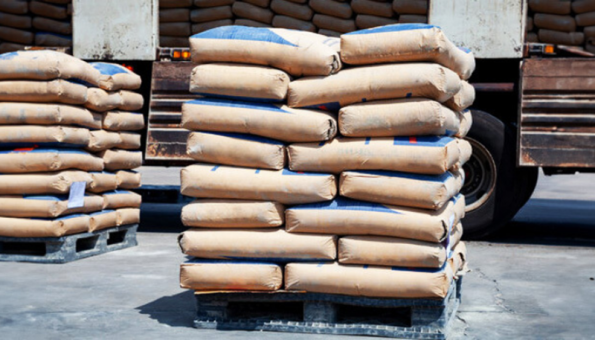
Government Raises Alarm Over Cement Prices
THE Federal Government has expressed concern over the continued rise in cement prices, warning that the trend is placing significant pressure on critical infrastructure projects across the country.
Minister of Works, David Umahi, said the escalating cost of cement has become a major challenge for contractors handling federal projects, particularly road construction and housing developments under the administration’s infrastructure expansion agenda.
According to him, the situation has reached a level where urgent intervention is necessary to prevent further strain on government-funded projects and ensure the timely delivery of ongoing works.
Planned Talks With Manufacturers
To address the issue, the government has scheduled a series of engagements with cement manufacturers beginning 1st July.
The discussions are expected to focus on identifying factors driving the persistent increase in prices and exploring practical solutions that could make the commodity more affordable.
A 50-kilogramme bag of cement currently sells for around ₦12,500 in many parts of the country, a development industry stakeholders say has significantly increased construction costs.
Umahi emphasized that manufacturers must play a greater role in stabilizing prices, noting that the government’s infrastructure investments have expanded opportunities for cement producers and increased demand for their products.
Impact on Public Projects
The minister disclosed that contractors executing federal projects have increasingly sought cost reviews due to rising construction expenses.
He warned that unchecked increases in cement prices could complicate project execution and place additional financial burdens on public infrastructure programmes.
According to him, government agencies are under growing pressure to accommodate requests for contract variations, a development he believes can be mitigated if manufacturers reconsider their pricing structures.
Umahi maintained that reducing production costs and ensuring stable market prices would help sustain the momentum of ongoing infrastructure development nationwide.
Infrastructure Expansion Driving Demand
The minister noted that the Federal Government’s aggressive infrastructure agenda has generated substantial business opportunities within the construction sector.
He cited major projects such as the Lagos-Calabar Coastal Highway as examples of the scale of development currently underway.
According to him, the administration’s investments have expanded the market for cement manufacturers and related industries, making collaboration between government and producers essential.
He therefore urged manufacturers to increase production capacity to meet growing demand while helping to keep prices within reasonable limits.
Government Seeks Industry Partnership
Speaking during the unveiling of HBM as the new corporate identity of Lafarge Nigeria, Umahi congratulated the company on its rebranding and reiterated the government’s readiness to support industrial expansion.
He stressed that stronger cooperation between public institutions and private-sector operators would be necessary to sustain Nigeria’s infrastructure ambitions.
The minister expressed optimism that the forthcoming engagement with manufacturers would produce practical measures capable of easing pressure on construction costs and supporting economic growth.
Balancing Growth and Affordability
As construction activity continues to expand across the country, stakeholders say balancing profitability with affordability will remain a key challenge for the industry.
The government’s intervention reflects growing concern that rising input costs could slow the pace of development if left unchecked.
For policymakers, manufacturers and contractors alike, the upcoming discussions may prove crucial in determining how Nigeria sustains its infrastructure drive while ensuring that essential building materials remain accessible.
