
Rights Groups Allege Army Abuses, Fulani Herdsmen Alliance In Enugu Operation
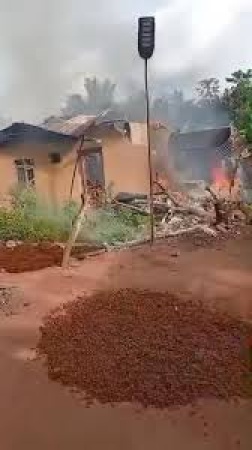
Alleged Army Operation Sparks Fresh Human Rights Concerns In Enugu
TWO civil society organisations — the International Society for Civil Liberties and Rule of Law and the Civil Liberties Organisation — have released a detailed investigative report alleging widespread human rights abuses during a military operation in Ezeagu Local Government Area of Enugu State.
The report, released in Enugu, accused personnel of the Nigerian Army’s 82 Division of carrying out attacks on civilian communities during operations conducted in May 2026. The rights groups further alleged that the military operation was influenced by armed Fulani herdsmen operating within the area.
According to the report, investigators documented claims of civilian house burnings, forced displacement, abductions and destruction of property during the operation in communities around Imezi-Owa in Ezeagu.


Communities Allegedly Attacked During Operation
The rights groups stated that findings from a six-member investigative team revealed that at least ten residential buildings were allegedly razed during military operations carried out between 5 and 6 May 2026.
The report identified affected communities to include Akwuke-Umudim, Abonuzu, Eziama and Eziowa villages in Imezi-Owa.
Investigators also alleged that several residents fled their homes over fears of arrest, harassment or violent attacks following the military operation.
Among those reportedly affected were three young men identified as Ndubuisi Chikelu, Thank God Chikelu and Chidi Nosike. A teenage girl, Chisom Okafor, was also said to have been arrested before later resurfacing in police custody.
The groups claimed some of the affected houses belonged to civil servants and retirees who were not present when the buildings were allegedly burnt.
Claims Of Fulani Herdsmen Influence
One of the most controversial aspects of the report was the allegation that the military operation may have been influenced by Fulani herdsmen leaders operating in Ezeagu forests and farmlands.
The report alleged that armed herders had maintained camps within parts of Ezeagu for years and accused them of involvement in attacks on local communities, destruction of farmlands and violent intimidation of residents.
According to the investigators, local vigilante groups and some residents had previously organised community defence structures in response to repeated attacks and insecurity in the area.
The report further claimed that tensions escalated after clashes allegedly occurred between security forces and armed non-state actors around the Ajali River Forest Valley.
Army Response And Counterclaims
The report also criticised statements previously issued by the Nigerian Army concerning the operation.
According to the rights groups, the Army admitted that three of its personnel were injured during exchanges of gunfire but rejected allegations of wrongdoing.
Military authorities had reportedly stated that troops encountered armed fighters during operations targeting suspected criminal hideouts and that explosive devices detonated during the exchange.
The rights groups, however, dismissed those explanations, insisting that the destruction recorded in residential communities could not be justified by the official account.
They accused the military of using what they described as false labelling and profiling of civilians under the guise of anti-terror operations.
Rights Groups Demand Investigation, Compensation
The organisations issued a four-point demand at the end of the report.
They called on the Nigerian Army and the Government of Enugu State to investigate the operation, compensate affected residents and ensure the release of persons allegedly detained during the incident.
They also urged authorities to address insecurity linked to armed herders in Ezeagu and prevent future attacks on civilians.
The report is likely to intensify ongoing debates surrounding military operations, community security and allegations of human rights violations in parts of Nigeria’s South-East region.
