
Rising Jet Fuel Prices Trigger Sharp Increase In Domestic Airfares
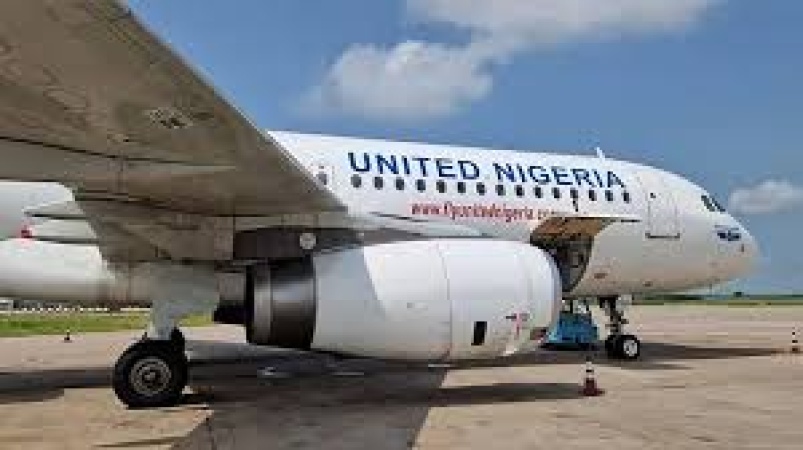
Nigeria’s Aviation Sector Under Price Pressure as Airfares Surge
DOMESTIC air travel costs in Nigeria are undergoing significant upward adjustment as airlines respond to sustained increases in operational expenses, particularly aviation fuel costs.
New fare structures now place minimum one-way ticket prices at approximately ₦200,000 on several domestic routes, marking a sharp rise in the cost of air transportation.
The shift reflects broader economic pressures within the aviation industry, where fuel price volatility continues to shape pricing strategies.
Broad-Based Fare Adjustments Across Domestic Carriers
Multiple airlines have revised their fare structures upward in response to rising cost conditions.
United Nigeria Airlines has reportedly fixed its minimum fare at around ₦200,000 per flight, while Air Peace has adjusted fares to approximately ₦211,600 for one-way journeys.
Ibom Air has also increased its base fare to about ₦200,300, aligning with the general upward trend across major carriers.
Meanwhile, some operators such as Arik Air, Aero Contractors, and ValueJet still maintain comparatively lower fare ranges, though industry analysts expect further adjustments if current cost trends persist.
Jet Fuel Costs Driving Industry-Wide Repricing
At the core of the fare increases is the continued rise in the price of Jet A1 aviation fuel, which now sells for about ₦2,650 per litre in parts of the country.
Fuel remains the single most significant cost component for airline operations, and fluctuations in its price have direct consequences for ticket pricing.
Industry stakeholders argue that the current pricing environment has made existing fare structures unsustainable.
Airline Operators Cite Financial Strain and Cash Flow Pressures
Airline representatives say the decision to raise fares was driven by worsening cash flow constraints and rising debt obligations within the sector.
One operator described the adjustment as a difficult but necessary step taken after careful consideration of prevailing economic conditions.
According to the source, airlines are no longer able to absorb rising costs without passing part of the burden to passengers.
Economic Realities Reshaping Domestic Air Travel
The latest fare adjustments highlight the broader challenges facing Nigeria’s aviation industry, where inflationary pressures and fuel volatility continue to reshape pricing models.
Operators argue that maintaining previous fare levels would have risked deeper financial instability across domestic airlines.
The shift also reflects a broader global trend in which energy costs increasingly influence transportation pricing structures.
Policy Expectations and Industry Uncertainty
Although government officials have previously signaled possible intervention to support the aviation sector, implementation remains pending.
This regulatory uncertainty has left airlines to independently navigate rising operational costs.
As fare increases take effect, both industry players and passengers are closely watching for potential policy responses that could stabilize pricing in the domestic aviation market.
