
Forum Accuses Gowon Of Distorting Civil War History
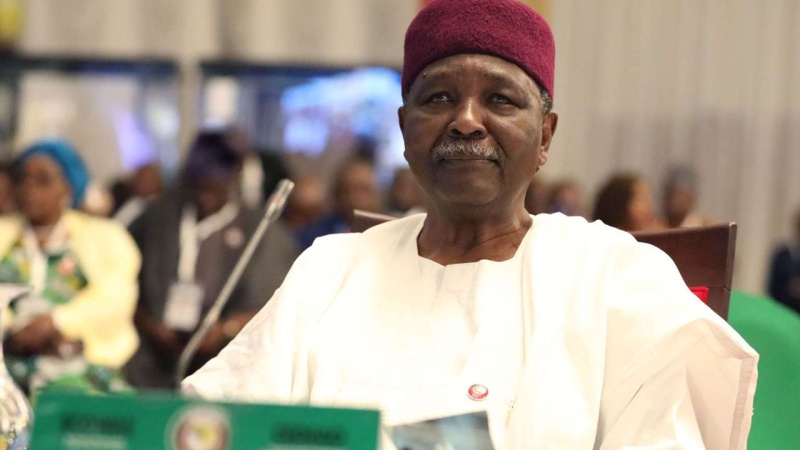
Forum Faults Gowon’s Remarks On Civil War
THE Ndigbo Media Forum has rejected claims by former Nigerian Head of State, Yakubu Gowon, that late Biafran leader, Chukwuemeka Odumegwu Ojukwu, frustrated efforts aimed at preventing the 1967 Nigerian Civil War.
In a statement signed by its National Coordinator, Rev. Paul Eze, the group described Gowon’s remarks as historically inaccurate and counterproductive to national healing and reconciliation.
The forum stated that narratives surrounding the civil war should be handled with caution and sensitivity, considering the lingering emotional and political impact of the conflict on many Nigerians, especially in the South-East.
Group Says Ojukwu Acted To Protect Igbos
According to the statement, Ojukwu’s actions before the outbreak of the war were driven by the need to protect the Igbo population following the widespread anti-Igbo killings that occurred in Northern Nigeria in 1966.
The group argued that the killings, which reportedly led to thousands of deaths and forced mass displacement of Igbos back to the Eastern Region, created an atmosphere of fear and insecurity that shaped the political decisions of the period.
“When the state abandons its people, self-preservation becomes a right,” the statement said.
The forum further maintained that the collapse of the Aburi Accord reached in Ghana in January 1967 significantly worsened tensions between the Federal Government and the Eastern Region.
It claimed that while Ojukwu honoured the terms of the agreement, the Federal Government allegedly failed to fully implement the accord through the promulgation of Decree No. 8.
Historical Interpretation Of War Questioned
The group insisted that available historical records contradicted claims that Ojukwu sabotaged peace efforts before the war.
According to the forum, consultations involving traditional rulers, clergy, market leaders and other stakeholders preceded the declaration of the Republic of Biafra on 30 May 1967.
It described the declaration as a collective response by the people of the Eastern Region to what they perceived as persistent persecution and insecurity.
“To blame the dead for a war that started after federal troops invaded Biafra on 6 July 1967, is to invert history,” the statement added.
Calls For Reconciliation And National Healing
The forum also criticised attempts to reopen old divisions through selective interpretations of the civil war, stressing that national unity could only be strengthened through truth, reconciliation and justice.
On post-war reconciliation efforts, the group argued that the Federal Government failed to fully implement its policy of “Rehabilitation, Reconstruction and Reconciliation” in the South-East after the end of the war.
It maintained that while the Igbo people do not seek conflict, they would continue to resist what they described as attempts to distort historical realities for political purposes.
The statement urged Gowon to embrace a legacy built on reconciliation rather than blame, saying Nigeria’s future depends on honest engagement with its past.
