
Workers Seek Major Salary Review, Warn Against Delays In Wage Negotiations
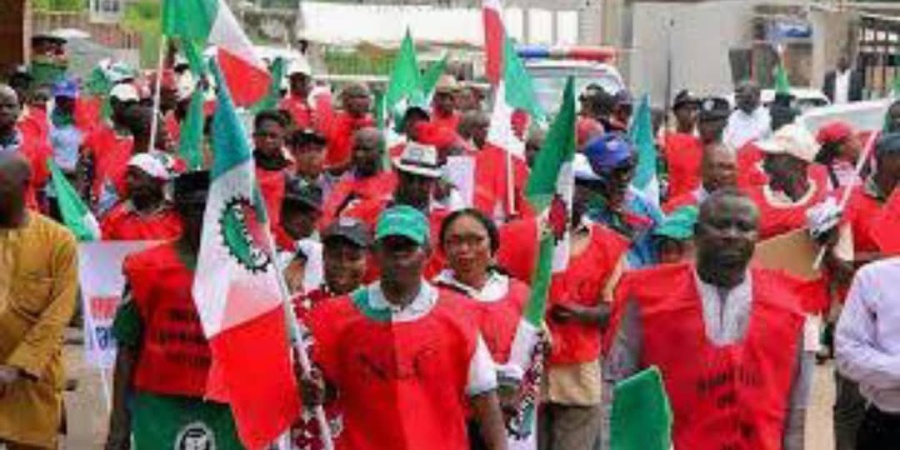
Union Pushes for Urgent Wage Intervention
CIVIL servants across Nigeria have intensified calls for a substantial upward review of salaries, urging federal and state governments to approve a 400 per cent increase in the current national minimum wage as workers grapple with worsening economic conditions and declining purchasing power.
The demand emerged from resolutions adopted at the end of a two-day National Retreat and Expanded National Executive Council meeting of the Joint National Public Service Negotiating Council (JNPSNC), Trade Union Side, held in Osogbo, Osun State.
Labour leaders argued that rising inflation, increased transportation costs, higher utility bills and escalating food prices have placed severe financial pressure on public servants and their families, making urgent government intervention necessary.
Workers Cite Shrinking Purchasing Power
In a communiqué issued after the meeting, the union leadership expressed concern that the current ₦70,000 national minimum wage has been overtaken by economic realities.
According to the council, many workers who welcomed the wage increase now find that inflation has significantly reduced its value, leaving households struggling to meet basic needs.
The union maintained that a comprehensive salary review would help cushion the effects of the prevailing economic hardship and restore confidence among workers.
Labour representatives noted that public servants remain critical to national development and deserve compensation that reflects current living conditions.
Call for Early Minimum Wage Negotiations
Beyond the demand for an immediate wage increase, the council urged organised labour and government representatives to begin discussions on a new national minimum wage by July 2026.
The proposal comes ahead of the statutory review expected in the first quarter of 2027.
Union leaders argued that commencing negotiations early would help avoid the prolonged disputes, uncertainty and mistrust that have often characterised previous wage review exercises.
According to the council, proactive engagement between labour and government would create a more predictable and transparent process.
Concerns Over Wage Implementation
The meeting also highlighted concerns regarding the implementation of the existing ₦70,000 minimum wage across several states.
Labour leaders accused some state governments of failing to fully implement consequential salary adjustments arising from the wage increase.
The council warned that it may adopt stronger measures against states that continue to delay or refuse implementation of approved salary structures.
The issue, according to union officials, remains a significant source of dissatisfaction among workers in affected states.
Welfare and Allowance Demands
The JNPSNC further called for the immediate payment of a 40 per cent peculiar allowance approved by the National Salaries, Incomes and Wages Commission.
The union urged relevant federal authorities to expedite implementation, arguing that delays have deprived workers of benefits already approved through established administrative processes.
The council also demanded payment of occupational hazard allowances for certain categories of agricultural professionals in the public service, noting that approval had already been granted through the National Council on Establishment.
Broader Economic Concerns
While focusing on workers’ welfare, the council also urged government to address broader economic challenges affecting citizens.
Among its recommendations were measures to strengthen the naira, improve electricity supply, expand industrial productivity and introduce tax reliefs for workers and businesses.
Labour leaders argued that economic reforms should be designed to stimulate local production, create jobs and improve living standards.
Labour Signals Readiness for Future Engagement
The Osogbo meeting attracted labour leaders from across the federation alongside government officials, including representatives of labour ministries, state heads of service and senior public administrators.
At the conclusion of the gathering, participants reaffirmed confidence in the leadership of the council and endorsed governance reforms within the organisation, including a four-year single tenure for future national and state executives.
As economic pressures continue to dominate national discourse, the union’s call for a major wage review is likely to add momentum to broader conversations about workers’ welfare, public sector productivity and the cost of living crisis confronting millions of Nigerians.
