
Voices From The Frontlines: Stakeholders Chart Path To End Plateau Violence
A Convergence of Voices in Jos
AMID lingering violence and humanitarian distress in Plateau State, stakeholders gathered in Jos to confront the realities of the crisis and propose solutions.
The town hall meeting, convened by News Central at Crispan Hotel, brought together victims, community leaders, security officials, academics, and civil society actors in a rare platform for open dialogue.
The aim was clear: move beyond headlines and address the root causes of a conflict that has defied easy resolution.
Human Cost: Stories of Loss and Survival
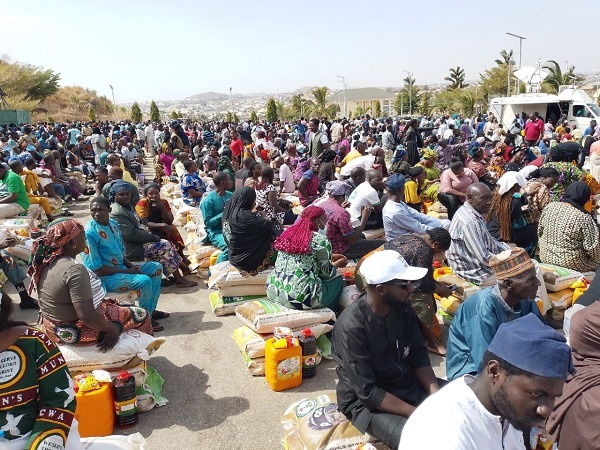
Testimonies from victims painted a grim picture of life in conflict-affected communities.
Garba Maikyau spoke of entire communities living under siege, with some residents reportedly held captive for weeks. Others recounted displacement, destruction of homes, and the constant fear of renewed attacks.
One of the most emotional accounts came from David Mutem, an elderly resident who said he lost over 20 family members, including his wife, whom he could not bury due to security threats.
Women’s experiences also featured prominently. Participants highlighted cases of pregnant women attacked during violence, with some survivors reportedly abandoned and traumatised.
These accounts underscored the depth of the humanitarian crisis—beyond statistics, into lived realities.
Debating Causes: Governance, Politics, and History
Beyond personal stories, stakeholders turned attention to the underlying drivers of the crisis.
Academic voices, including Prof. Funmi Para-Mallam, argued that the Plateau conflict is deeply rooted in historical tensions, identity politics, and longstanding governance failures.
A lecturer, Luka Panpe, described the situation as politicised, suggesting that failure to protect citizens reflects broader systemic weaknesses.
Civil society representatives also raised concerns about institutional denial and lack of accountability, warning that failure to acknowledge the full scale of the crisis could hinder meaningful solutions.
Security Perspective: Constraints and Challenges
From the security sector, Brigadier-General Muhammed Sule provided insight into operational realities, highlighting constraints faced by security forces in responding to the crisis.
While details of these challenges were not fully elaborated, his remarks pointed to the complexity of managing conflict in a region marked by difficult terrain, fragmented communities, and evolving threats.
Calls for Comprehensive Solutions
Participants agreed that resolving the Plateau crisis requires more than military intervention.
Key recommendations included:
- Strengthening community engagement and trust-building
- Addressing historical grievances through dialogue
- Improving governance and accountability mechanisms
- Enhancing humanitarian support for displaced persons
Non-governmental organisations also highlighted the difficulty of delivering aid in insecure environments, calling for better coordination and protection for relief efforts.
A Search for Lasting Peace
The Jos town hall reflects a growing recognition that sustainable peace in Plateau State will require a multi-dimensional approach—combining security, governance, and social reconciliation.
As the conveners noted, understanding the persistence of violence is the first step toward ending it.
For many participants, however, the urgency is immediate: beyond discussions, they seek concrete actions that can restore safety and dignity to affected communities.
