
Plateau In Flames: Killings Persist Despite Tinubu’s Peace Pledge
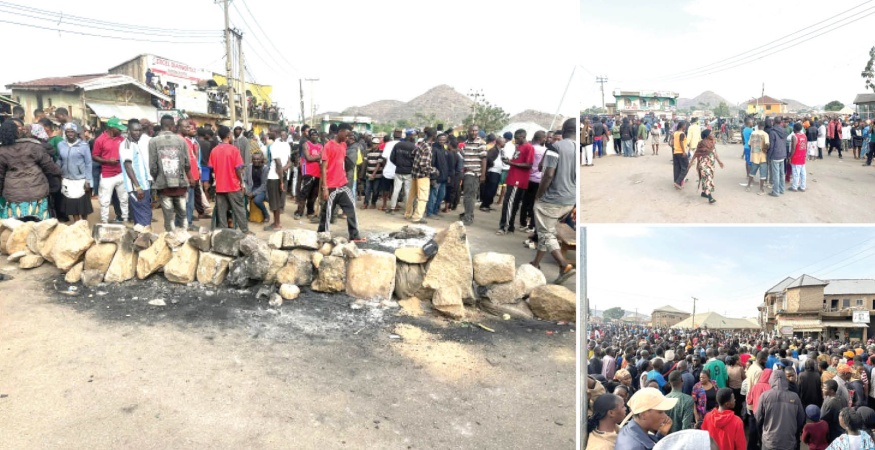
A Promise Tested by Bloodshed
LESS than 24 hours after President Bola Ahmed Tinubu assured residents of lasting peace during his 3rd April 2026 visit to Plateau State, a new wave of violence erupted, casting doubt on federal efforts to stabilise the troubled region.
The president had visited in response to earlier deadly attacks, pledging decisive action to halt the cycle of killings that has plagued the North-Central state. However, subsequent developments suggest that the security situation remains fragile—and, in many areas, deteriorating.
A Timeline of Escalating Attacks
Data compiled from multiple incidents between 3rd April and 10th May indicate at least 14 separate attacks across key local government areas, including Barkin Ladi, Riyom, Bassa, Mangu and Jos South.
On the very day of the presidential visit, three people were reportedly killed in Nyango Gyel. Within days, further assaults followed in rapid succession—villages attacked, residents ambushed, and communities left grieving.
By late April, violence had intensified:
- A family of four, including a pastor, was killed in Riyom
- A miner was ambushed and killed in Mangu
- Coordinated attacks struck multiple communities across Bassa and Barkin Ladi
The violence surged even further in May, with multiple incidents claiming dozens of lives, including women, children, and security personnel.

Communities Under Siege
Residents describe a climate of persistent fear. Attacks have become unpredictable, often occurring at night or targeting vulnerable groups such as mourners and rural dwellers.
Particularly alarming were:
- The killing of mourners returning from a burial
- The massacre of a family of five in Barkin Ladi
- Attacks on pregnant women in Bassa and Riyom
Entire communities have been destabilised, with displacement, trauma, and economic disruption compounding the human toll.

Security Response and Gaps
Despite increased troop deployment and some arrests of suspected militia members, the attacks have continued with little deterrence.
Security analysts point to several persistent gaps:
- Weak intelligence coordination
- Limited rural surveillance capacity
- Delayed response to distress calls
- Lack of sustained prosecution of perpetrators
These challenges have contributed to a cycle where violence recurs with minimal accountability.
Root Causes Remain Unresolved
At a high-level meeting in Abuja, President Tinubu acknowledged underlying drivers of the crisis—ethnic tensions, farmer-herder conflicts, and disputes over land ownership.
While calling for tolerance and unity, he also urged local leaders to identify and expose instigators of violence.
However, experts argue that without structural solutions—such as land reforms, conflict resolution frameworks, and economic inclusion—the violence is unlikely to abate.

A Cycle Yet Unbroken
Plateau State has long been a flashpoint for communal conflict, with decades of recurring violence leaving deep scars.
The latest wave of killings highlights a troubling reality: political assurances alone may not be enough to halt entrenched cycles of violence.
For many residents, the question remains urgent and unanswered—when will peace truly come?
