
Trump Signals Iran Conflict May Drag On For Weeks
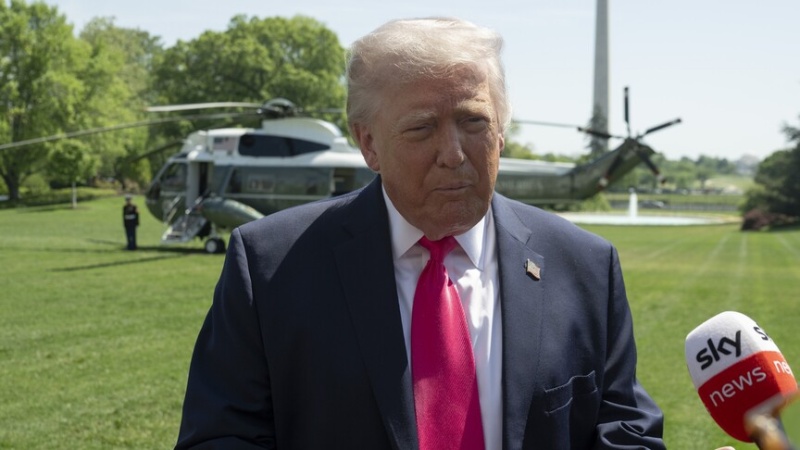
U.S. President Donald Trump has indicated that the ongoing conflict between the United States and Iran could persist for another two to three weeks, underscoring uncertainty over the trajectory of hostilities.
Speaking during a radio interview, Trump suggested that time pressure was not a major concern for Washington, hinting at confidence in the current military posture. His remarks come amid renewed tensions following reports of fresh exchanges of fire in the Gulf region.
Ceasefire in Doubt
The fragile ceasefire brokered earlier through mediation in Islamabad has come under increasing strain, with conflicting signals over whether it remains in effect.
While Trump refrained from confirming a breakdown of the truce, he acknowledged ongoing hostilities, raising concerns about a possible return to full-scale confrontation. The ceasefire, initially seen as a pathway to de-escalation, has struggled to hold amid deep mistrust between the parties.
Military Claims and Strategic Messaging
Trump asserted that the United States had already achieved significant military success, citing the destruction of Iranian naval assets and recent operations targeting smaller armed vessels.
He also claimed U.S. dominance over the strategically vital Strait of Hormuz, a key global oil transit route, warning however of lingering risks such as naval mines that could disrupt commercial shipping.
Analysts note that such statements serve both as strategic messaging and domestic political signaling, aimed at reinforcing perceptions of strength.
Regional Fallout and Escalation Risks
The conflict traces back to joint military actions involving the United States and Israel against Iranian targets earlier in the year, which triggered retaliatory strikes across the region.
The Gulf has since witnessed heightened insecurity, with threats to maritime trade routes and fears of broader regional destabilisation.
Outlook: Diplomacy or Prolonged Conflict
With negotiations stalled and rhetoric intensifying, the path forward remains uncertain. Observers warn that without sustained diplomatic engagement, the conflict risks extending beyond the projected timeline, with wider implications for global energy markets and regional stability.
