
Six Managers, One Harsh Reality: How The 2026 World Cup Ended Coaching Careers

EVERY FIFA World Cup crowns champions, celebrates football heroes and creates unforgettable moments. Yet beneath the excitement lies another recurring storyline that rarely attracts equal attention—the fate of national team coaches whose careers often hinge on a handful of matches. The 2026 FIFA World Cup has once again demonstrated that the tournament remains football’s ultimate managerial examination, with six national team coaches leaving their positions after disappointing campaigns, painful eliminations or personal decisions to step aside.
Their departures illustrate the immense expectations placed on international managers, where years of planning can be undone by a single defeat, a penalty shootout or an underwhelming tournament performance.
World Cup: Football’s Toughest Examination for Coaches
Unlike club football, where managers work with players daily over an entire season, international coaches have limited opportunities to prepare their squads.
Training camps are brief, tactical adjustments must be made quickly, and every selection, substitution and tactical decision is scrutinised by supporters, media and football federations.
As a result, the FIFA World Cup often serves as the defining assessment of a coach’s tenure, with national associations frequently reassessing leadership immediately after tournament exits.
The 2026 edition has proven no different.

Koeman Pays the Price After Dutch Heartbreak
Ronald Koeman’s second spell with the Netherlands ended in dramatic fashion after Morocco eliminated the Dutch in a penalty shootout during the knockout rounds.
The Netherlands had entered the tournament hoping to finally secure the World Cup trophy that has eluded them despite reaching three previous finals.
Although the Dutch came close to progressing, defensive lapses ultimately proved costly.
Rather than await an official review by the Royal Dutch Football Association, Koeman accepted responsibility and announced his resignation, ending a tenure that began in 2023.
His departure demonstrated how even narrow defeats can trigger managerial changes when expectations remain exceptionally high.

Knockout Exit Ends Hong Myung-bo’s Project
South Korea advanced beyond the group stage under Hong Myung-bo, continuing the country’s reputation as one of Asia’s most consistent football nations.
However, their Round of 32 encounter against Brazil exposed the gap between the Taegeuk Warriors and one of football’s traditional superpowers.
Following elimination, Hong voluntarily stepped down after two years in charge.
His resignation reflected South Korea’s growing ambitions, where simply reaching the knockout stages is no longer viewed as sufficient progress.

Steve Clarke’s Successful Era Ends After Scotland Exit
Steve Clarke leaves Scotland as one of the country’s most influential modern managers despite the disappointment of the 2026 World Cup.
Since taking charge in 2019, Clarke restored competitiveness to Scottish football, ending years of underachievement by guiding the national team back to major tournaments and rebuilding supporters’ confidence.
However, Scotland’s group-stage elimination overshadowed those achievements.
Although Clarke had extended his contract until the next World Cup only months earlier, he unexpectedly resigned, bringing to an end one of Scotland’s longest and most transformative managerial eras.

Short-Lived Tenures Come to an End
Among the shortest managerial reigns was Miroslav Koubek’s seven-month spell with Czechia.
Despite guiding the nation back to the World Cup after a 20-year absence through dramatic playoff victories, his side failed to win a single match during the tournament.
The Czech Football Association accepted his resignation shortly after the disappointing campaign.
Even shorter was Sabri Lamouchi’s tenure with Tunisia.
Appointed only months before the tournament, Lamouchi lasted just five matches before suffering a crushing 5-1 defeat to Sweden in Tunisia’s opening World Cup fixture.
The Tunisian Football Federation dismissed him immediately, making him one of the earliest coaching casualties of the competition.
Although veteran coach Hervé Renard was appointed in an attempt to revive Tunisia’s campaign, the change failed to prevent elimination.
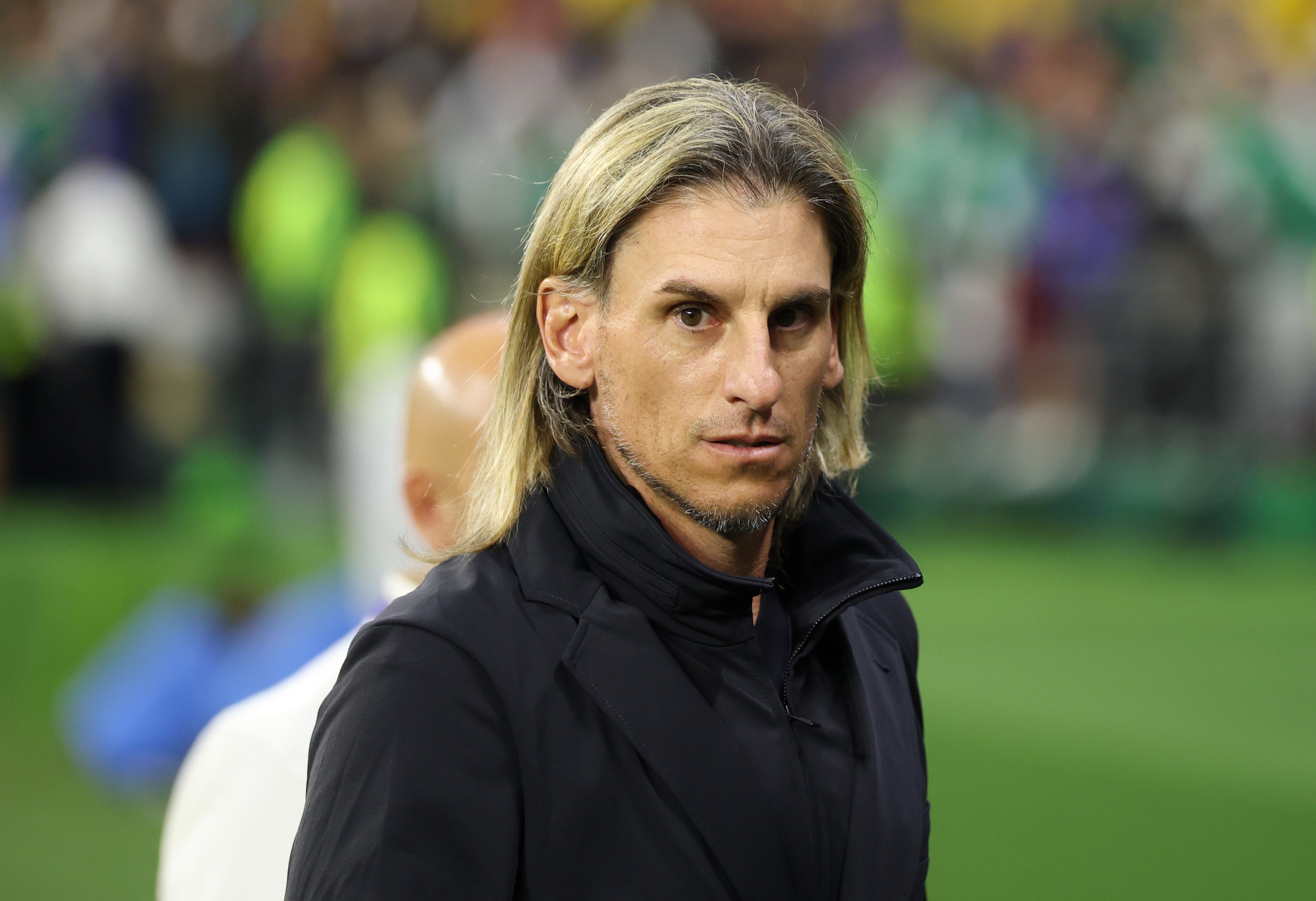
Beccacece Bids Ecuador Farewell
Sebastián Beccacece also concluded his time with Ecuador after their Round of 32 exit.
Although Ecuador produced several encouraging performances—including a memorable victory over Germany—they were eliminated by Mexico before reaching the latter stages.
The Argentine coach explained that his contract had been designed to conclude after the World Cup and admitted he had fallen short of the ambitious objectives he had established for the team.
His departure now begins another rebuilding phase for Ecuadorian football.

A Tournament That Shapes Football Leadership
The exits of Koeman, Hong, Clarke, Koubek, Lamouchi and Beccacece illustrate the unforgiving nature of international football management.
Some departed voluntarily, others were dismissed, but every case reflected the immense pressure attached to World Cup performance.
For national federations, attention now shifts from analysing tournament failures to identifying coaches capable of leading the next qualification cycle.
The 2026 FIFA World Cup has therefore not only determined which nations continue their pursuit of global glory but has also reshaped the managerial landscape of international football.

