
Pope Leo XIV’s Apology Reopens Debate On Vatican’s Colonial-Era Role In Slavery
A Reckoning With Centuries of Institutional Power
A First-of-its-Kind Admission From a U.S.-Born Pope
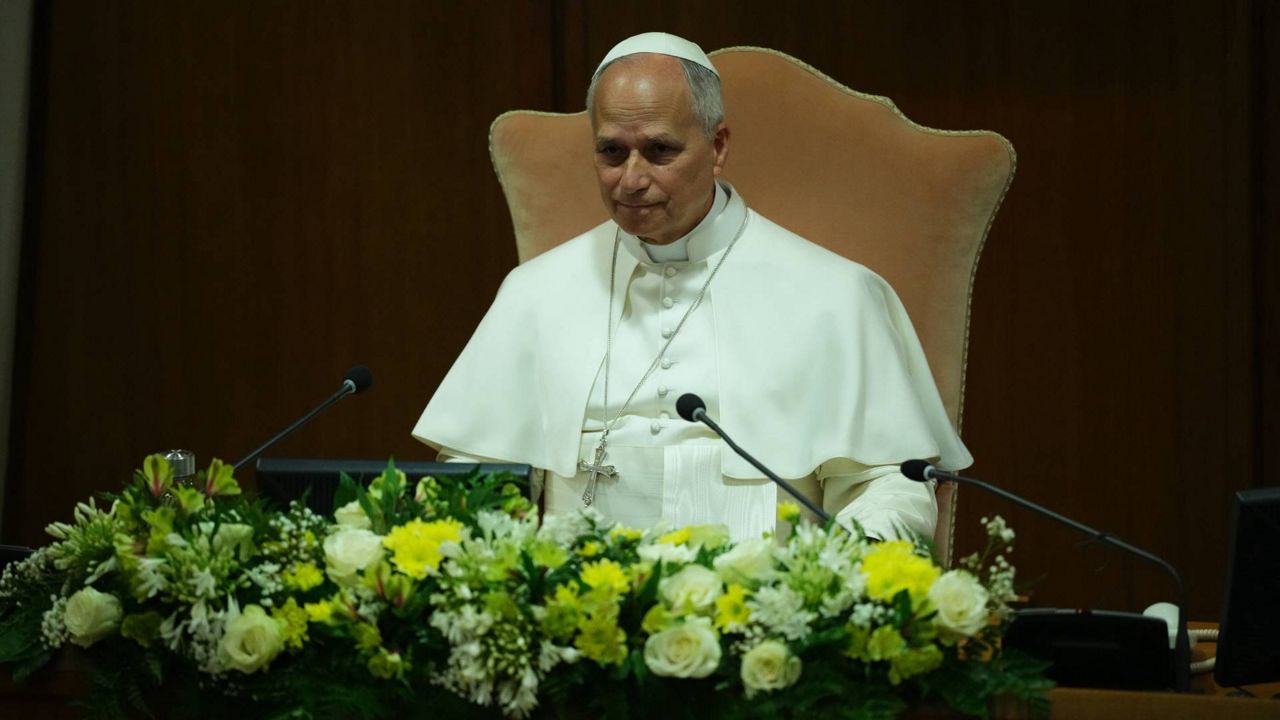
POPE Leo XIV has broken new ground by formally apologising for the Holy See’s historical role in legitimising slavery, placing institutional responsibility at the centre of his first major doctrinal document.
The encyclical not only addresses individual Christian participation in slavery, but also confronts the structural authority exercised by the papacy itself in enabling colonial-era enslavement.
This marks a departure from earlier papal apologies, which focused on moral regret without directly implicating papal governance decisions.
Revisiting the Legal Theology of Empire
At the centre of the document are 15th-century papal decrees that authorised European monarchs to conquer and enslave non-Christian populations.
These rulings provided theological justification for colonial expansion and became embedded in European imperial systems across Africa and the Americas.
Historians often link these documents to the later Doctrine of Discovery, a framework that shaped centuries of land seizure and forced labour.
Delayed Institutional Accountability
The Pope acknowledged that while the Church has long affirmed human dignity, its formal rejection of slavery came centuries after the practice had been deeply embedded in global systems.
He characterised this delay as a moral failure, noting that the Church’s historical silence contributed to prolonged suffering and systemic injustice.
However, he also cautioned against judging past decisions entirely through modern moral frameworks, reflecting the tension between historical context and present-day accountability debates.
From Historical Slavery to Contemporary Exploitation
A notable dimension of the encyclical is its attempt to connect past slavery systems with present-day global inequalities.
The Pope highlighted concerns that modern technological economies may be producing new forms of exploitation, particularly in resource extraction and unregulated labour linked to artificial intelligence infrastructure.
This framing extends the moral argument beyond history into current global economic systems.
A Broader Push for Moral Renewal
The apology also reflects ongoing internal and external pressures on the Vatican from scholars, activists, and Catholic communities of African descent seeking formal acknowledgment of institutional responsibility.
It adds to a growing pattern of historical reckoning by global institutions confronting their roles in colonial exploitation.
The encyclical suggests a forward-looking stance: that moral vigilance is required to avoid repeating similar failures in new technological and economic forms.
