
Aburi Accord Debate Reopens As Igbo Group Challenges Gowon’s Civil War Narrative
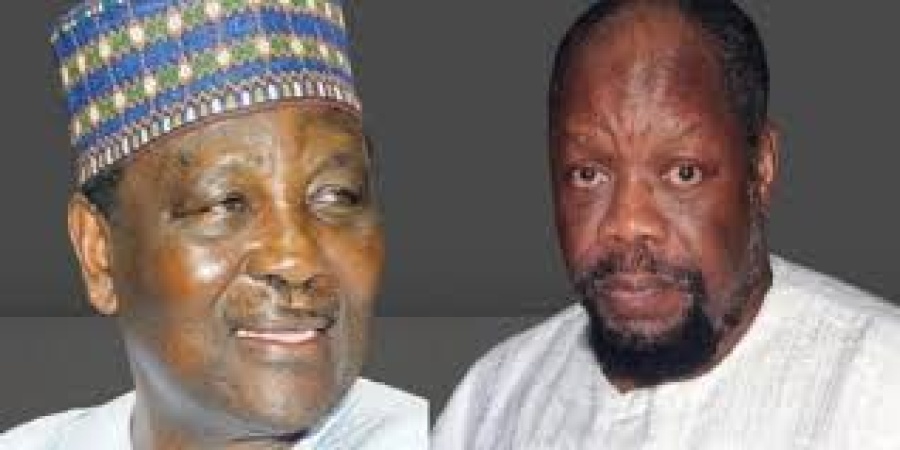
Igbo Forum Rejects Gowon’s Claim on Civil War Peace Moves
A fresh controversy has emerged over the historical narrative surrounding the Nigerian Civil War, following claims by former Head of State, General Yakubu Gowon, that the late Biafran leader, Chukwuemeka Odumegwu Ojukwu, frustrated peace efforts aimed at preventing the 1967 conflict.
The reaction came from the Ndigbo Media Forum, which faulted Gowon’s assertions contained in his recently released autobiography, My Life of Duty and Allegiance.
In a strongly worded statement issued by its National Coordinator, Rev. Paul Eze, the forum described the claims as historically inaccurate and potentially damaging to ongoing efforts toward reconciliation and national healing.
According to the group, portraying Ojukwu as the central figure responsible for the collapse of peace negotiations ignores the deeper political and ethnic tensions that preceded the civil war.
Forum Revisits 1966 Crisis and Aburi Accord
The forum argued that the roots of the war lay in the anti-Igbo violence that followed the 1966 coups, insisting that thousands of Igbo civilians were killed in Northern Nigeria while many others fled to the Eastern Region for safety.
Rev. Eze maintained that the inability of the Federal Government at the time to guarantee the safety of Easterners contributed significantly to the breakdown of trust between both sides.
He further pointed to the historic Aburi meeting held in Ghana in January 1967, where Nigerian military leaders reportedly agreed on a confederal arrangement intended to preserve national unity while granting greater regional autonomy.
According to the forum, Ojukwu accepted and committed himself to the Aburi resolutions, but the subsequent promulgation of Decree No. 8 by the Federal Military Government altered the terms of the agreement and deepened tensions.
The group argued that this development convinced leaders in the Eastern Region that the federal authorities were unwilling to honour the understanding reached in Ghana.

“Ojukwu Acted on Popular Mandate” — Forum
The forum insisted that the declaration of the Republic of Biafra on May 30, 1967, followed extensive consultations with traditional rulers, civil society groups, religious leaders and political stakeholders across the East.
It described the move not as an act of political ambition, but as what it termed a defensive response to widespread fears of persecution and insecurity.
Rev. Eze also cited historical documents and accounts from neutral observers, claiming they support the argument that the collapse of negotiations stemmed largely from disagreements over implementation of the Aburi Accord rather than deliberate obstruction by Ojukwu.
He maintained that assigning sole blame to the late Biafran leader oversimplifies one of Nigeria’s most painful historical episodes.
Calls for Reconciliation, Not Historical Blame
The group further questioned the Federal Government’s post-war commitment to reconciliation under the “No Victor, No Vanquished” policy announced after the conflict.
According to the statement, many promises relating to reconstruction, rehabilitation and reintegration of the former Eastern Region were either poorly implemented or abandoned.
It argued that lingering grievances over infrastructure deficits, economic losses and post-war policies continue to shape perceptions in parts of the South-East decades after the war ended.
The forum urged political leaders and historians to approach civil war discussions with caution, fairness and sensitivity, warning against narratives that could reopen old wounds.
Rev. Eze stressed that contemporary Nigeria requires reconciliation-driven leadership capable of promoting unity rather than reviving divisive interpretations of history.

