
Terror Levies Cripple Farming In Sokoto Communities As Residents Pay For Access To Farmlands
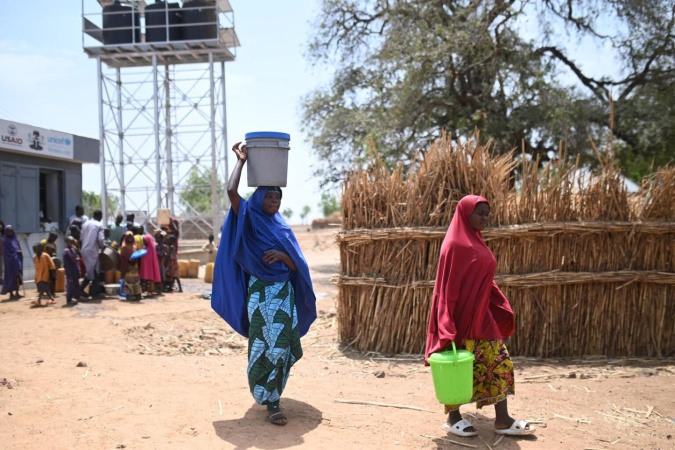
Residents of dozens of communities in Sokoto State are grappling with a growing security crisis as armed groups impose levies, restrict access to farmlands and deepen fears ahead of the farming season.
Communities Face Fresh Security Threats
AT least 26 communities in Sabon Birni Local Government Area of Sokoto State have reportedly come under renewed pressure from armed groups who are demanding levies from residents and restricting farming activities.
The development comes at a critical period when farmers are preparing for wet-season cultivation, a key economic activity that sustains thousands of households across the affected communities.
According to residents, the armed groups issued a three-day ultimatum, warning farmers against entering their farmlands until the demanded payments were made.
The directive has created anxiety among villagers who rely heavily on agriculture for survival.
Villagers Forced to Raise Contributions
Residents disclosed that efforts were already underway to raise funds to meet the demands of the armed groups.
The affected communities reportedly include Garin Faji, Zululu, Dan Gari, Sulmawa, Kafchi, Zango, Rambadawa, Nasarawa and several others spread across the local government area.
A resident familiar with the situation said community members were told that anyone who ignored the restriction and proceeded to farm risked being abducted or killed.
According to him, the warning left residents with little choice but to begin contributing money in a bid to avert further attacks and secure access to their farmlands.
Farming Under Threat
For many residents, the restrictions represent a serious threat to food production and household livelihoods.
A resident of Zululu village said the armed groups informed communities that farming activities would remain suspended until the levies were fully paid.
The source explained that such demands have become a recurring reality in many rural settlements where residents often find themselves negotiating access to farmland under difficult circumstances.
The uncertainty surrounding planting activities has raised fears that agricultural output could be affected if the situation persists.
A Cycle of Payments and Fear
Community members described the levies as part of a recurring pattern that extends beyond the planting season.
Residents alleged that payments are often demanded before cultivation begins and sometimes repeated during the farming cycle.
According to local accounts, additional demands are occasionally made before farmers are allowed to harvest or store their produce.
Villagers claim that contributions are usually collected from households and farmers based on their financial capacity, with communities expected to raise millions of naira collectively.
The situation has placed significant economic pressure on already struggling rural populations.
Abductions Deepen Anxiety
Adding to residents’ concerns are reports of fresh kidnappings linked to delays in meeting the demands.
A resident of Garin Idi village alleged that about 20 persons were recently abducted after disagreements over payment timelines.
According to the source, ransom payments were subsequently raised to secure the release of several victims, although some individuals reportedly remain in captivity.
While the claims could not be independently verified, they reflect the growing fears confronting residents in the affected communities.
Security Agencies Seek Information
Reacting to the reports, the Sokoto State Police Command said it had not received official information regarding the alleged levies and restrictions.
Police spokesperson DSP Ahmad Rufai noted that security agencies are often unable to respond effectively when incidents are not formally reported.
The development highlights the challenge facing authorities in obtaining timely intelligence from communities operating under fear of reprisals.
Growing Concerns Over Rural Security
The reported restrictions have once again drawn attention to the security challenges confronting rural communities in parts of northwestern Nigeria.
Analysts warn that continued disruptions to farming activities could worsen food insecurity, undermine rural livelihoods and further weaken local economies.
For affected residents, however, the immediate concern remains finding a way to cultivate their lands safely and sustain their families amid persistent insecurity.
