
Banks Set To Shift Tax Reform Burden To Customers, Experts Warn
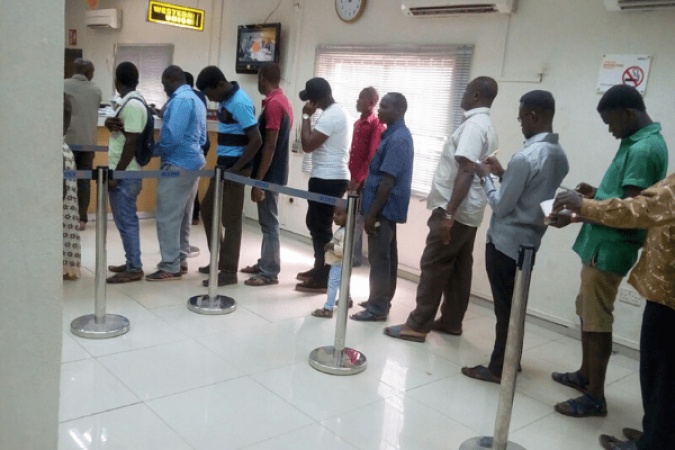
Analysts say rising compliance obligations under Nigeria’s evolving tax regime could trigger increased banking and service fees.
NIGERIAN consumers may soon face higher banking and transaction charges as financial institutions adjust to the growing compliance demands introduced by the country’s ongoing tax reforms.
Industry experts and tax analysts have warned that the increasing operational costs associated with the new tax framework are likely to be transferred to customers through higher service fees, lending costs and other financial charges.
Speaking on the impact of the reforms, Albert Folorunsho said businesses, particularly banks and financial intermediaries, would inevitably pass compliance-related expenses down the value chain.
“All of these costs are going to be passed on to the customer, by either the bank that is on-lending to them or whatever the case may be,” he said.
Rising Compliance Demands
Nigeria’s ongoing tax reform agenda is designed to improve revenue mobilisation and expand the country’s tax base without significantly increasing headline tax rates.
Under the evolving framework, companies are expected to integrate tax compliance more directly into their daily operations, including transaction processing, reporting systems and documentation procedures.
The reforms are also supported by stricter audit mechanisms, expanded digital reporting obligations and more detailed rules governing financial transactions and structured lending arrangements.
Analysts say these changes require significant investment in compliance infrastructure, including technology upgrades, staff training and reporting systems.
For banks and financial institutions, this means additional operational expenses tied to adapting internal systems to meet regulatory expectations.
Revenue Targets and Economic Pressure
Nigeria’s tax-to-GDP ratio reportedly rose to about 13.5 per cent by late 2025, up from below 10 per cent in previous years, as authorities intensify efforts to improve revenue collection.
Despite the increase, the figure remains below the widely recommended 15 per cent threshold considered necessary to sustain core government functions.
Compared with other African economies, Nigeria still trails behind countries such as Ghana, Kenya and Senegal in tax revenue generation relative to GDP.
Clarifications on Taxation
Experts have also sought to address growing public concerns surrounding misconceptions about taxable income.
Folorunsho clarified that bank account balances and ordinary monetary gifts are not taxable under the law unless linked to economic activity or services rendered.
Similarly, Olarinde Olufemi explained that small business classification is based on turnover rather than account balances.
Officials disclosed that more than 30 draft guidance notes are currently being finalised to simplify compliance procedures and provide greater clarity for businesses and taxpayers.
However, analysts warn that delays in releasing detailed guidelines have created uncertainty for firms attempting to comply with evolving regulations.
As financial institutions continue adjusting to the reforms, experts believe the immediate burden of compliance may ultimately fall on consumers through higher service costs across the banking and financial sectors.
