
Security Crisis Puts Nigeria At Risk Of Losing Billions In US Aid
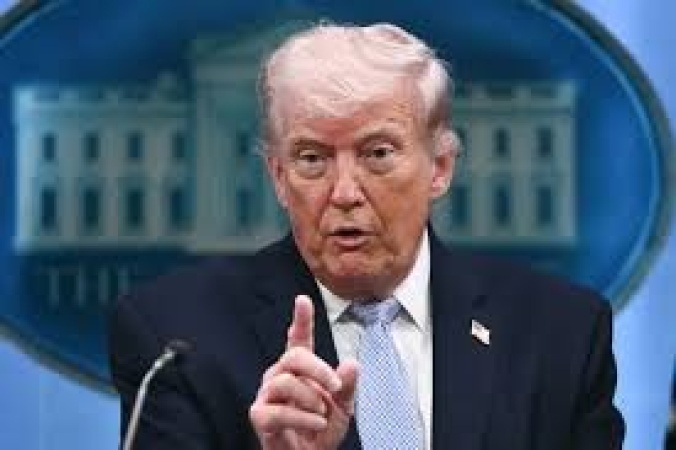
Nigeria Faces Tougher Conditions as US Reviews Aid Framework
NIGERIA could see a drastic reduction in US financial assistance as American lawmakers move to impose stricter conditions on aid, citing worsening insecurity and religious violence.
The proposed 2027 appropriations bill recommends cutting development assistance by half, marking one of the most consequential policy shifts in recent years between both countries.
From Assistance to Accountability
At the heart of the proposal is a transition from unconditional support to performance-based funding. The United States is seeking to ensure that aid is tied directly to measurable improvements in security and governance.
Before any withheld funds are released, Nigeria must demonstrate:
- Effective responses to violent incidents
- Accountability for perpetrators
- Protection and rehabilitation of affected communities
- Adequate budgetary commitment to security efforts
This approach, lawmakers argue, is necessary to ensure that aid translates into real impact rather than remaining symbolic.
Political and Strategic Undertones
The bill reflects broader geopolitical considerations, including the US government’s push to align foreign aid with national security interests and ideological priorities such as religious freedom.
It also signals growing frustration within Washington over persistent instability in Nigeria, despite years of financial and technical support.
By introducing visa restrictions for officials linked to religious rights violations, the policy extends beyond economics into diplomatic pressure.
Targeted Interventions Remain in Place
Even as broad funding faces cuts, the US is maintaining strategic investments in specific areas considered critical to stability.
Key interventions include:
- Security funding to address violence in the Middle Belt
- Support for humanitarian and faith-based organisations
- Capacity building for Nigerian law enforcement agencies
- Atrocity prevention initiatives
These targeted programmes suggest that while overall aid may decline, US engagement in Nigeria’s security architecture will continue.
A Critical Moment for Reform and Diplomacy
The proposed cuts place Nigeria at a crossroads. On one hand, they highlight deepening international concern over security challenges; on the other, they offer an opportunity for reform and renewed credibility.
Analysts note that the effectiveness of Nigeria’s response could determine not only the restoration of funding but also the future trajectory of its relationship with the United States.
As debates continue in Washington, the coming months may prove decisive in shaping both Nigeria’s security policy and its standing in global diplomatic circles.
