
Power Supply to Improve as Gas Pipeline Repairs Near Completion — FG
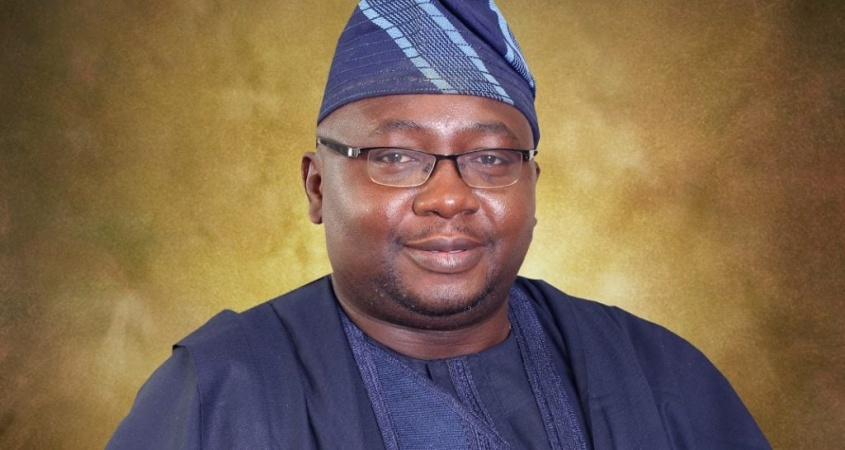
Government Signals Imminent Relief in Power Supply
THE Federal Government has assured Nigerians of a gradual improvement in electricity supply, as ongoing maintenance on a critical gas pipeline approaches completion.
The Chief Technical Adviser to the Minister of Power, Adebayo Olowoniyi, said the restoration process is already underway, with full recovery expected within two weeks.
He made the disclosure during an interview on Arise TV, following widespread outages that have disrupted economic and social activities nationwide.
Minister’s Apology Framed as Leadership Responsibility
Olowoniyi defended the recent public apology issued by the Minister of Power, Adebayo Adelabu, describing it as a demonstration of accountability rather than an admission of personal failure.
According to him, the minister’s intervention reflects a leadership approach that prioritises responsibility and swift problem-solving in the face of sector-wide challenges.
Gas Pipeline Disruption at the Core of Crisis
At the heart of the power disruption is a major gas pipeline undergoing maintenance—an issue that significantly impacted electricity generation.
Nigeria relies heavily on gas-fired power plants, with approximately 75 per cent of its electricity generated from gas. The temporary reduction in gas supply led to a sharp decline in generation capacity across the grid.
Olowoniyi explained that as maintenance work winds down, gas pressure is gradually being restored, enabling power plants to ramp up output.
Gradual Recovery Already Underway
Officials say early signs of recovery are emerging, with incremental improvements expected over the coming days.
“We are already seeing gradual restoration as gas pressure builds,” Olowoniyi noted, adding that the situation will continue to stabilise as supply normalises.
The government has set a two-week timeline for noticeable improvements, aligning with earlier assurances by the minister.
Longstanding Structural Challenges Persist
Despite the expected short-term relief, Nigeria’s power sector continues to face deeper systemic issues, including ageing infrastructure, transmission constraints, and financial inefficiencies across the value chain.
The government maintains that ongoing reforms and investments aim to address these challenges, with a target of increasing generation capacity to 6,000 megawatts by the end of 2026.
For many consumers, however, the immediate concern remains the restoration of stable and reliable electricity supply.
