
Why Senior Officers Are Falling In Nigeria’s Insurgency War
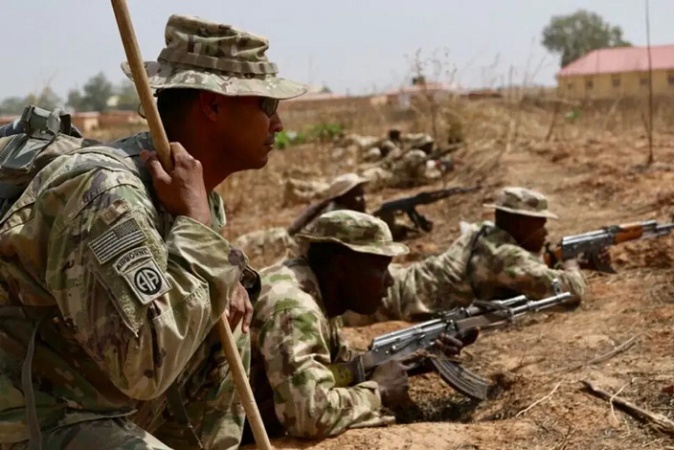
A Disturbing Pattern at the Battlefield
THE recurring deaths of senior Nigerian military officers in frontline operations have raised troubling questions about strategy, manpower shortages, battlefield doctrine, and the evolving tactics of insurgent groups operating in the North-East.
Recent incidents involving the killing of Brigadier General Oseni Braimah and other officers in Borno State have renewed public concern over why commanders continue to fall in active combat zones rather than directing operations from safer command structures.
Military analysts say the issue goes beyond bravery. It reflects structural weaknesses in force deployment, command systems, intelligence gathering, and the pressure placed on senior officers to personally stabilise fragile positions.
Why Commanders Move to the Front
In professional armies, commanders often visit active theatres to assess morale, coordinate reinforcements, and inspire troops. In conflict environments where communications are weak or battlefield conditions shift rapidly, direct presence can become necessary.
That appears to be part of Nigeria’s current reality.
Reports on the death of a commanding officer and six soldiers in Borno indicated the officer was moving to assess troops after an attack when his vehicle struck an improvised explosive device (IED).
Experts argue that when commanders must physically inspect danger zones too frequently, it may suggest gaps in surveillance systems, field reporting, or unit autonomy.
Troop Shortages and Overstretch
Nigeria’s armed forces face multiple security fronts simultaneously:
- insurgency in the North-East
- banditry in the North-West
- communal violence in the North-Central
- oil theft in the Niger Delta
- separatist tensions in parts of the South-East
Such multi-front commitments can overstretch manpower and force senior officers into operational roles normally handled at lower levels.
Security commentators say thin troop density often means commanders must do more direct supervision than doctrine would ideally require.
Insurgents Now Target Leadership
Insurgent groups such as Boko Haram and ISWAP have adapted significantly over time. They now use ambushes, drones, IEDs, hit-and-run raids, and intelligence-led attacks on military formations.
Killing commanders can disrupt morale, delay response cycles, and generate symbolic victories disproportionate to battlefield numbers.
That makes leadership figures prime targets.
Technology and Intelligence Gaps
Modern counterinsurgency increasingly depends on drones, signals intelligence, armored mobility, mine-resistant vehicles, and real-time battlefield data.
Where these tools are limited or unevenly deployed, physical movement by commanders becomes riskier.
Analysts say reducing senior casualties requires better reconnaissance, route-clearing systems, secure communications, and decentralised tactical control.
Bravery Alone Is Not a Strategy
The courage of officers leading from the front remains widely respected. But editorially, courage should complement systems—not replace them.
A nation should not need generals and colonels constantly exposed to frontline explosives because command infrastructure is weak.
Nigeria’s military challenge is no longer just defeating insurgents. It is modernising the structure through which that war is fought.
The National Security Test
Every fallen commander represents sacrifice, but also a warning.
If senior officers continue dying at unusual rates, the question is not whether they were brave. It is whether the system is asking bravery to compensate for preventable deficiencies.
