
Trump, Tehran & The Truth Crisis: Inside The Propaganda War Shaping The Middle East Conflict

Trump’s Claim of Iran’s “Supreme Leader Offer” Deepens Information War Around Middle East Conflict
Contradictory Narratives Emerge Amid Escalating Regional War
FRESH controversy has erupted in the already volatile Middle East conflict after Donald Trump claimed that Iran secretly offered to make him the country’s next Supreme Leader — a statement Iranian officials have flatly denied.
The remarks, delivered during a fundraising dinner hosted by the National Republican Congressional Committee on 25 March, have intensified debate over whether Washington and Tehran are quietly communicating behind the scenes while publicly projecting hostility.
Trump told Republican donors that Iranian authorities were desperate for negotiations but feared internal backlash and possible retaliation from the United States if such talks became public.
According to him, Iran had reached out with extraordinary proposals as pressure mounted from what he described as a successful American-led military campaign.
Tehran, however, dismissed the claims as fabricated political theatre.
Iranian military spokesperson Ebrahim Zolfaqari mocked Trump’s comments, suggesting the former US president was “negotiating with himself,” while insisting that no direct negotiations were taking place.
The sharply conflicting statements highlight how the war has expanded beyond missiles and military strikes into a battle over perception, legitimacy, and strategic messaging.

War Beyond the Battlefield
The conflict, now stretching into its fourth week, has destabilised major geopolitical fault lines across the Middle East.
Iran confirmed receiving a 15-point ceasefire proposal from the United States through Pakistani intermediaries but said it rejected the terms and instead submitted a five-point counterproposal.
Despite this indirect diplomatic channel, Iranian authorities insist no formal negotiations are underway.
Analysts say both sides may be strategically manipulating public messaging for domestic and international audiences.
For Washington, portraying Iran as weakened and eager for compromise supports claims that the military campaign is succeeding.
For Tehran, denying negotiations preserves the image of resistance and political strength at a time when nationalist sentiment is critical for regime survival.
Leadership Vacuum and Internal Uncertainty in Iran
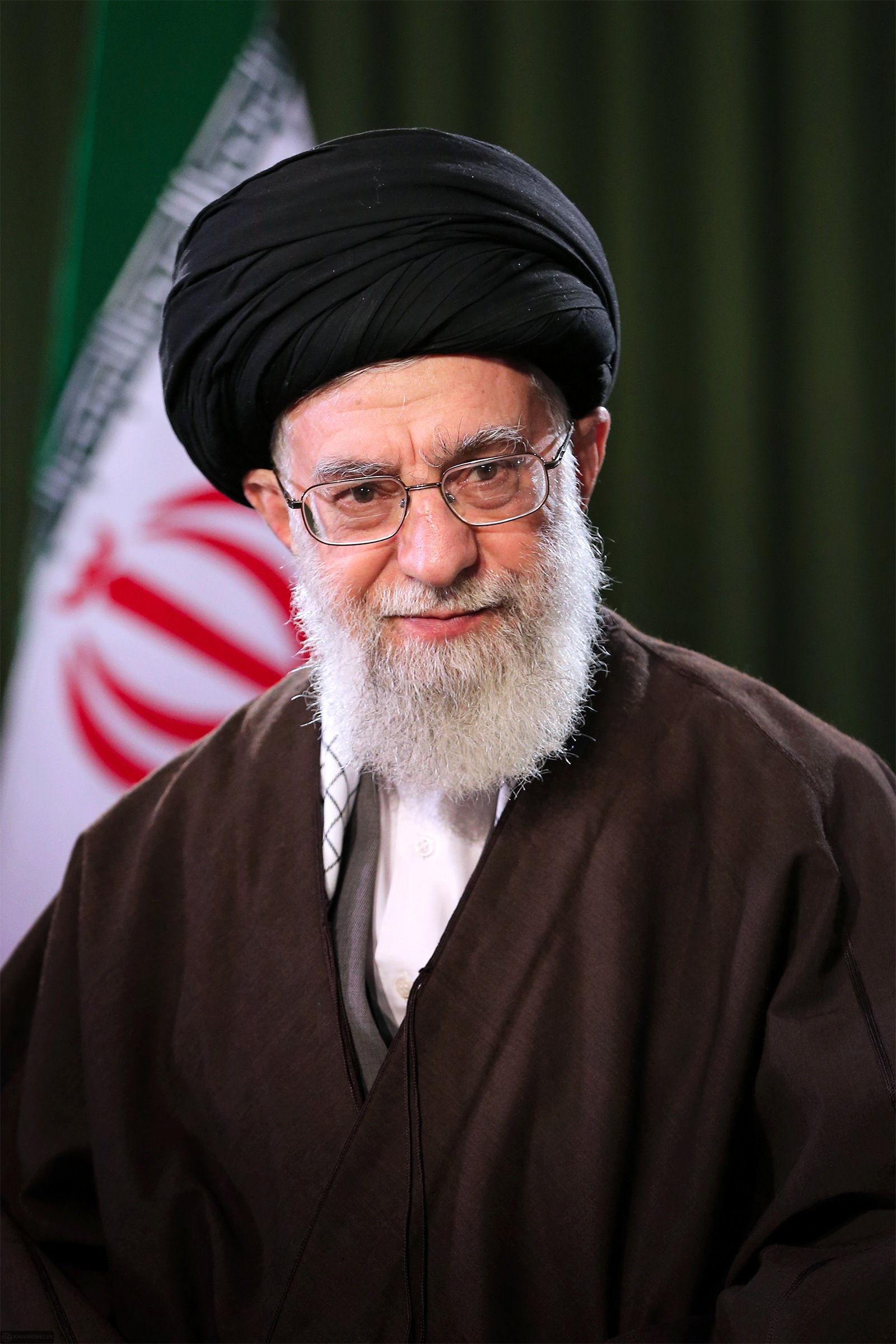
The war took a dramatic turn after opening strikes reportedly killed Iran’s Supreme Leader, Ali Khamenei.
His death has created uncertainty within Iran’s power structure and intensified speculation about succession struggles inside the Islamic Republic.
Iranian authorities named his son, Mojtaba Khamenei, as successor, but his continued absence from public view has fuelled rumours about instability within the country’s political and military establishment.
Security analysts note that leadership transitions during wartime often create information vacuums that competing factions attempt to fill through propaganda and symbolic messaging.
Trump’s remarks, therefore, are being interpreted by some observers not merely as political rhetoric but as part of a broader psychological strategy aimed at projecting Iranian weakness.

Strategic Stakes Grow Around the Gulf
Beyond the rhetoric, the military and economic consequences of the conflict continue to escalate.
Iranian retaliatory strikes have reportedly targeted Israel and Gulf allies including Bahrain, Saudi Arabia, and the United Arab Emirates.
Meanwhile, the Strait of Hormuz — one of the world’s most critical oil transit routes — remains blocked, intensifying fears over global energy supplies.
Oil prices have surged beyond $100 per barrel, reviving concerns about inflation, shipping disruptions, and economic instability across global markets.
The Pentagon has also reportedly moved elements of the 82nd Airborne Division closer to the region, signalling growing American military preparedness.
Politics, Propaganda and Power
Observers argue that Trump’s comments reflect a broader transformation in modern warfare where narrative dominance increasingly matters as much as military superiority.
Political messaging now shapes diplomatic leverage, market reactions, public morale, and international alliances.
In the United States, Trump’s remarks also carry domestic political implications as he attempts to project himself as a decisive wartime leader ahead of future political battles.
Critics, however, accuse him of exaggeration and inflammatory rhetoric capable of deepening tensions in an already fragile region.
The central question remains unresolved: did Iran truly signal openness to extraordinary negotiations, or is Washington crafting a perception of surrender to reinforce strategic momentum?
What is increasingly clear is that the conflict is no longer only about territory, missiles, or ceasefires. It is equally a struggle over narrative control in a deeply polarised geopolitical era.

