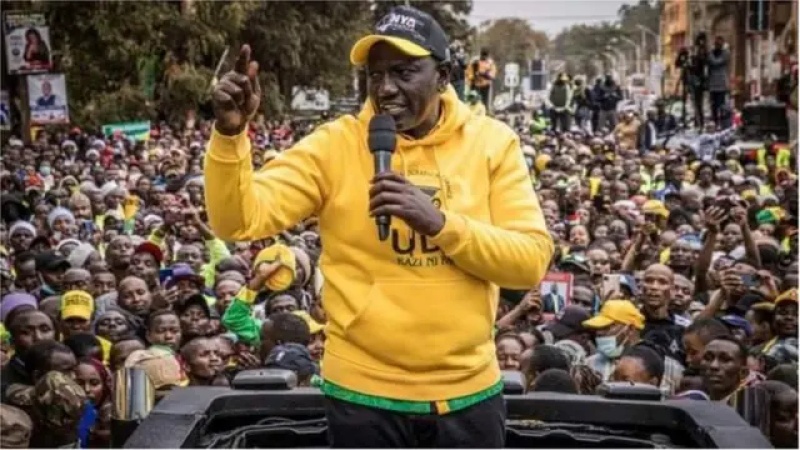
Tinubu, Ruto Exchange Remarks Over Economy & Living Standards

Tinubu’s Remarks Trigger Cross-Border Response
KENYAN President William Ruto has responded sharply to comments by President Bola Tinubu suggesting Nigerians are better off than citizens of some other African countries, including Kenya.
Tinubu made the remarks during a visit to Bayelsa State, where he inaugurated infrastructure projects and defended his administration’s economic reforms amid complaints over rising fuel prices and hardship.
The Nigerian leader urged citizens to remain hopeful, saying despite present difficulties, the country was in a stronger position than some of its continental peers.
Ruto Defends Kenya’s Image
In a widely circulated video response, Ruto rejected the comparison and pointed to Kenya’s strengths in education, human capital development and communication skills.
He also referenced Nigeria’s electricity challenges and joked about the country’s English usage, remarks that quickly drew attention across social media platforms.
Observers say the exchange reflects growing sensitivity among African leaders over economic performance and national image at a time when many countries are facing fiscal strain.
Online Reactions Split Opinion
The comments sparked mixed reactions online, with some users criticising both leaders for engaging in unnecessary comparisons rather than addressing domestic concerns.
Others argued that linguistic and economic rivalry between African nations distracts from broader issues such as inflation, unemployment, infrastructure deficits and regional cooperation.
Shared Economic Pressures Across Africa
Nigeria continues to face inflationary pressures, exchange-rate volatility and power supply shortages despite its status as one of Africa’s largest oil producers.
Kenya, widely regarded as an East African business and technology hub, is also dealing with public debt concerns and rising living costs.
Analysts note that both countries, despite their differences, are navigating similar post-pandemic and global economic challenges.