
Saudi Pipeline Attack Puts Europe’s Oil Supply Under Fresh Pressure
By VANCE SHERIFF
Pipeline Attack Disrupts a Critical Export Route
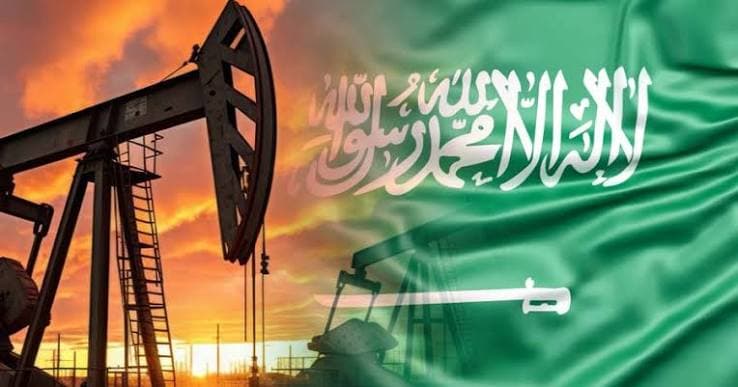
SAUDI Arabia’s decision to halt some crude deliveries to European refiners after an attack on its East-West oil pipeline has exposed another vulnerability in Europe’s energy supply system.
Saudi Aramco informed at least two European refining customers that they would receive no Saudi crude under their regular October allocations, according to people familiar with the decision cited by Bloomberg. Reuters subsequently reported that the disruption had forced Aramco to cancel some cargoes destined for European customers after damage to three pumping stations and the temporary shutdown of crude operations at Yanbu on the Red Sea.
The development came after a 13th September drone attack damaged Saudi oil infrastructure and disrupted the 1,200-kilometre East-West pipeline, also known as Petroline. The route normally carries crude from the kingdom’s eastern oil fields to Yanbu, allowing Saudi Arabia to reach global markets without sending all those barrels through the Strait of Hormuz.
Why the Pipeline Matters
The East-West pipeline has strategic importance beyond its physical infrastructure.
Saudi Arabia built the system partly to provide an alternative to the Strait of Hormuz, a major maritime chokepoint through which a significant share of global oil and gas supplies normally passes. Its disruption therefore removes an important route at a time when geopolitical tensions have already complicated energy flows from the Middle East.
The pipeline has a nominal capacity of about seven million barrels per day, although actual flows have varied. Analysts cited by the Centre for Eastern Studies said it had become particularly important under the current regional conditions because it allowed Saudi crude to bypass Hormuz.
Its shutdown consequently creates a logistical problem for both Saudi exporters and overseas refiners.
European Refineries Search for Alternatives
European refiners that regularly process Saudi crude now face the task of replacing some of those barrels.
The problem is not simply the quantity of oil available. Refineries are designed around particular crude characteristics, including density and sulphur content. Replacing Saudi grades can therefore require refiners to obtain different crude blends or adjust their operations.
Several European buyers have already moved to secure alternatives. Poland’s Orlen, for instance, has reportedly purchased additional crude from suppliers including Norway, Britain, Algeria, Kazakhstan, Azerbaijan and the Americas to maintain refinery operations.
That response illustrates how a disruption at a Saudi pipeline can quickly become a European supply-management problem.
From Crude Disruption to Fuel Prices
The immediate concern is crude availability, but the effects can spread through the wider energy market.
Refineries convert crude into products such as petrol, diesel and jet fuel. If refiners pay more to secure replacement crude, those higher costs can feed into refined-product prices, particularly where supplies are already tight.
European diesel markets are especially exposed. The Centre for Eastern Studies said the Saudi disruption was adding pressure to an already tight diesel market, while Euronews reported that prolonged disruption could raise costs for hauliers, farmers, businesses and consumers.
Oil prices have also responded to changing expectations. Reuters reported on September 21 that Brent crude had fallen below $100 a barrel as markets responded to signs of increased Saudi loading from Gulf terminals and expectations of recovering supplies.
Saudi Arabia Looks for a Bypass
Saudi Arabia has not simply stopped exporting oil.
Instead, Aramco has redirected part of its export strategy towards the kingdom’s eastern terminals. Reuters reported that the company loaded about 14 million barrels onto seven very large crude carriers at Ras Tanura on 20th September.
The company has also arranged ship-to-ship transfers near Oman’s Sohar port. Those measures are helping Saudi Arabia compensate for reduced flows through the Red Sea route.
However, the alternative route carries its own risks because shipments leaving the eastern Gulf must navigate waters around the Strait of Hormuz.
The Repair Question
The duration of the disruption remains crucial.
Saudi Arabia has indicated that it expects to restore part of the pipeline’s capacity relatively quickly. Reuters reported that Aramco was seeking a partial restart, while a return to full capacity could take longer.
The Centre for Eastern Studies similarly estimated that repairs to damaged pumping stations could take up to six weeks, while warning that further attacks could prolong the disruption.
For Europe, therefore, the immediate issue is not necessarily a complete loss of Saudi oil. It is whether an already complicated supply network can absorb another prolonged disruption.
The coming weeks will show whether alternative crude supplies, strategic inventories and Saudi rerouting efforts can prevent the pipeline attack from developing into a broader European fuel-supply shock.

