
Obi Of Onitsha Charges Editors To Defend Ballot Against Lies
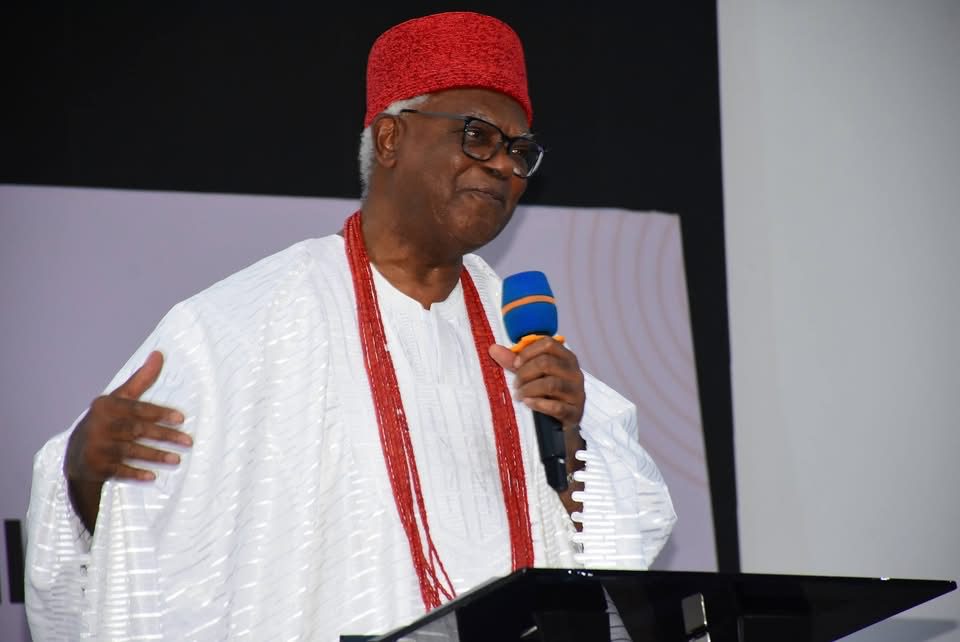
THE Obi of Onitsha, Igwe Nnaemeka Alfred Achebe, has charged Nigerian editors to make verification, digital literacy and courageous fact-checking central to journalism as artificial intelligence makes false information increasingly difficult to distinguish from reality.
Achebe made the call on Thursday while delivering his opening speech as Chairman of the 2026 All Nigeria Editors Conference (ANEC) in Enugu.
The conference is themed “The Ballot, the Media and the Task of Keeping Democracy Alive,” while its sub-theme focuses on detecting and debunking AI-generated disinformation before, during and after elections.
The traditional ruler described democracy as a system that must be continuously protected, likening it to a fire that must be tended, fed and protected to keep it alive.
He said the ballot represents the voice of citizens, while the media serves as the mirror through which citizens understand the issues on which they must make electoral choices.
“When the mirror is cracked, or worse, deliberately distorted, the citizen no longer votes from truth but votes from illusion,” he said.
Achebe said artificial intelligence had introduced a new dimension to disinformation by allowing false content to be produced rapidly and with a level of realism that could challenge even trained observers.
He noted that synthetic audio could make a person appear to say words they never said, while manipulated videos and images could falsely place candidates at locations or depict events that never occurred.
According to him, such content could be particularly dangerous during elections because it could be deliberately timed to inflame political passions.
He also warned that Nigeria’s strong community and family networks could accelerate the spread of falsehood because people often trust information received from neighbours, town unions and family groups.
The Obi identified three major responsibilities for editors in confronting AI disinformation.
The first, he said, was verification before speed, urging journalists to develop the discipline of pausing and asking how they know a piece of information is true before publishing it.
The second was literacy, which requires journalists to understand the techniques used to manufacture disinformation and help citizens recognise suspicious content.
He said journalists should understand indicators of manipulated audio and images as well as coordinated patterns through which false information could be amplified.
The third responsibility, he said, was courage.
Achebe urged journalists to debunk falsehood regardless of the political camp that benefits from it.
“True journalistic integrity in this era will require you to correct falsehoods regardless of who benefits from them,” he said.
He also cautioned against allowing scepticism to develop into cynicism, saying citizens who believe everything could be vulnerable to manipulation just as those who believe nothing could be disconnected from reliable information.
Achebe acknowledged the economic pressures, political intimidation and speed of the modern information environment facing Nigerian journalists.
He nevertheless urged editors to rise to the challenge and defend the integrity of public information.
He called on the conference to become a platform for practical action against the erosion of truth, rather than merely producing speeches and communiqués.
The traditional ruler urged editors to remain committed to democracy even when politicians, electoral institutions or other public institutions fall short.
“Even if politicians, electoral body, institutions, and other things fail, you must be the ultimate last man standing in the task of defending democracy,” he said.
