
In-Laws, Culture & Conflict: The Growing Strain On Modern Marriages
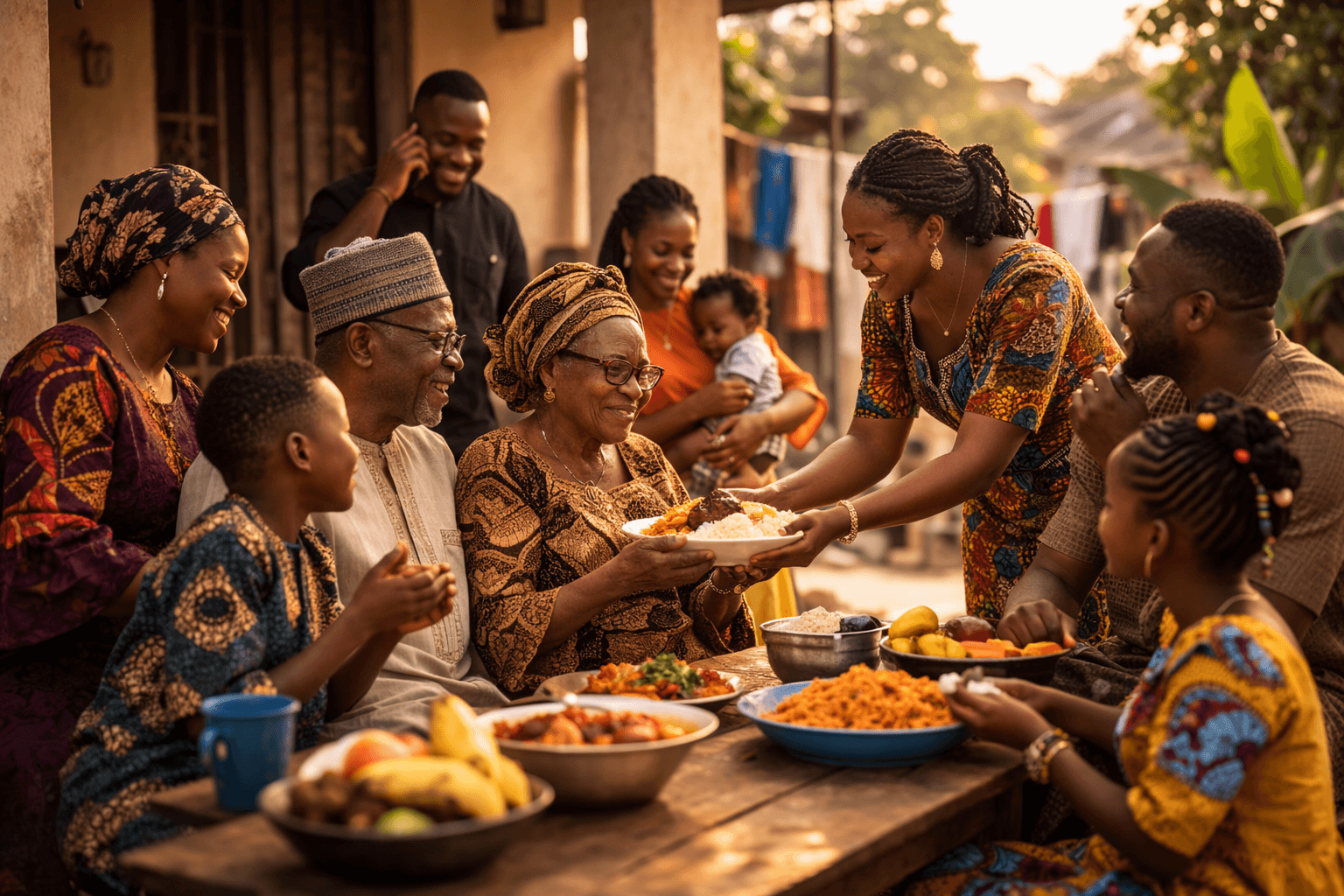
As modern marriages face rising pressures, experts say unresolved family interference is becoming a major source of conflict in many homes.
MARRIAGE in many African and Nigerian societies has long been regarded as more than a union between two individuals. It is often viewed as an alliance between families, cultures and traditions, with in-laws occupying a powerful position in shaping the stability or tension within homes.
Yet, beneath the celebration of weddings and cultural ceremonies lies a growing reality confronting many couples — the struggle to balance marital independence with expectations from extended family members.
Across urban and rural communities alike, family interference, financial pressures, cultural obligations and unresolved boundary issues are increasingly emerging as hidden fault lines in marriages.
The Invisible Influence of Extended Families
Relationship experts note that while supportive in-laws can strengthen marriages through emotional and financial support, unhealthy interference can create resentment, mistrust and emotional exhaustion between couples.
In many Nigerian homes, the expectation that newly married couples must constantly prioritise extended family interests often places enormous pressure on spouses, particularly women.
Some marriages reportedly struggle under demands ranging from financial obligations to cultural expectations surrounding caregiving, inheritance and domestic roles.
Social commentators argue that these tensions are becoming more visible as younger couples increasingly seek privacy, independence and shared decision-making within marriage.
Economic Hardship Intensifying Tensions
Nigeria’s difficult economic climate has also amplified disputes involving in-laws and family obligations.
From burial expenses to housing arrangements and financial support for relatives, many couples are finding themselves trapped between personal survival and cultural expectations.
Analysts say financial strain often deepens existing family disagreements, especially where boundaries are unclear or one spouse feels unsupported by their partner during disputes with relatives.
In some cases, unresolved tensions with in-laws have reportedly contributed to emotional trauma, separation and prolonged family conflict.
Women Often Bear the Heaviest Burden
Gender dynamics remain central to many of these struggles. In several African societies, women are still expected to adapt completely to their husband’s family structure after marriage.
This expectation can become overwhelming where in-laws impose rigid rules, criticise personal choices or attempt to influence major family decisions.
Relationship counsellors argue that successful marriages increasingly depend on couples establishing healthy boundaries while maintaining mutual respect for extended family relationships.
They note that failure to manage these expectations can gradually weaken trust and emotional intimacy between spouses.
Balancing Tradition and Modern Realities
Cultural experts say the challenge facing modern marriages is not the existence of in-laws themselves but the inability of many families to adjust to changing social realities.
Marriage counsellors increasingly advise couples to communicate openly about finances, living arrangements, emotional expectations and family boundaries before and after marriage.
Public conversations around marital harmony have also intensified recently, with celebrities and public figures openly discussing the impact of family acceptance on relationships.
While many still view extended family as an essential pillar of support, experts insist that lasting harmony depends on striking a balance between cultural obligations and the autonomy of the nuclear family.
The Search for Harmony
Despite the tensions, many families continue to navigate these challenges successfully through dialogue, compromise and mutual understanding.
Observers say the future of marriage in Nigeria and across Africa may increasingly depend on how families redefine loyalty, support and respect within changing social and economic realities.
For many couples, the goal is no longer simply preserving tradition at all costs, but building homes where partnership, dignity and emotional wellbeing can coexist with family ties.
