
From Peacekeeping To Reform Advocacy: Nigeria Reaffirms Commitment To United Nations Charter
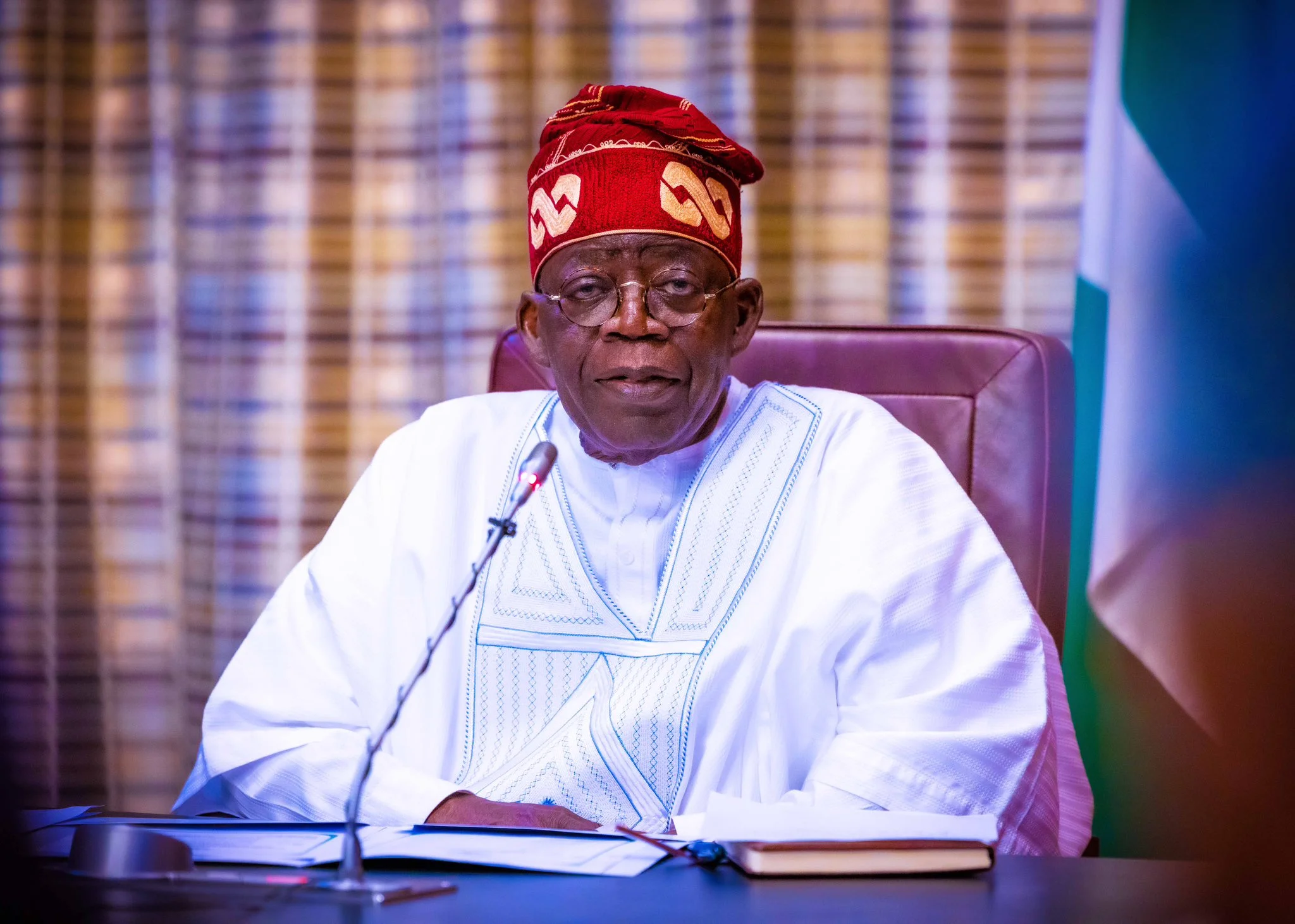
Nigeria Reasserts Its Commitment to the International Order
AS the world prepares for the 81st Session of the United Nations General Assembly, Nigeria has renewed its commitment to the ideals of the UN Charter, reaffirming support for multilateral diplomacy, international cooperation, conflict resolution, and institutional reform.
The declaration was signed in New York by Nigeria’s Permanent Representative to the United Nations, Ambassador Jimoh Ibrahim, on behalf of President Bola Tinubu, signaling the country’s continued engagement with global governance processes.
The recommitment comes at a time when the international community faces multiple overlapping crises ranging from armed conflicts and economic uncertainty to climate emergencies and humanitarian disasters.
The Significance of the UN80 Reform Agenda
Central to Nigeria’s renewed engagement is support for the UN80 initiative, a reform programme designed to strengthen the effectiveness of the United Nations as it enters its ninth decade.
The initiative seeks to modernize decision-making processes, improve accountability, enhance transparency, and equip the organization to respond more effectively to emerging global threats.
These threats include terrorism, cyber insecurity, forced migration, climate change, food insecurity, and widening development disparities.
Nigeria’s endorsement of the reform process reflects broader calls from developing countries for institutions that better represent today’s geopolitical realities rather than those of the post-1945 era.
Nigeria’s Longstanding Diplomatic Footprint
Nigeria has maintained an active presence within the United Nations since gaining independence in 1960.
Successive administrations have viewed multilateral diplomacy as an essential component of foreign policy, using international platforms to advocate African interests and contribute to global peace initiatives.
The country has frequently championed issues such as decolonization, anti-apartheid struggles, regional security cooperation, economic development, and reform of international institutions.
Today, Nigeria remains among Africa’s strongest voices calling for expanded representation of the continent within key UN decision-making bodies, particularly the Security Council.
Peacekeeping as a Pillar of Nigeria’s International Reputation
One of the most visible aspects of Nigeria’s international engagement has been its contribution to peacekeeping operations.
The United Nations reports that Nigeria has deployed more than 200,000 military and police personnel to 41 peace missions since the 1960s.
Nigerian peacekeepers have participated in some of Africa’s most complex operations, helping stabilize conflict zones and support post-war recovery efforts.
Current UN figures show that 335 Nigerian uniformed personnel remain actively deployed across various missions around the world.
“Invest in Peace”: A Message for a Troubled World
The significance of peacebuilding took center stage during the 2026 International Day of United Nations Peacekeepers celebration in Abuja.
Under the theme “Invest in Peace,” stakeholders highlighted the growing need for preventive measures that address the root causes of conflict before violence erupts.
UN Resident Coordinator Mohammed Fall argued that sustainable peace requires investments in education, justice systems, youth empowerment, social inclusion, and economic opportunity.
According to him, military responses alone cannot guarantee lasting stability without addressing the underlying conditions that fuel insecurity.
Nigeria Police Advocate a Whole-of-Society Approach
Inspector-General of Police Olatunji Disu echoed similar concerns, emphasizing that modern peacebuilding requires cooperation across government institutions, civil society, communities, and international partners.
Disu paid tribute to peacekeepers who have lost their lives in service, noting that more than 4,500 UN peacekeepers have died since peacekeeping operations began in 1948.
He stressed that peace is sustained not only by security personnel but also by effective institutions, respect for human rights, and inclusive governance structures.
The police chief further advocated increased training for peacekeepers and stronger support for women participating in peace operations.
Africa’s Representation and the Future of the UN
Beyond peacekeeping, Nigeria’s recommitment reflects broader debates about the future of global governance.
African leaders have increasingly argued that the continent remains underrepresented in major international institutions despite its population size, economic significance, and growing geopolitical influence.
Nigeria has been at the forefront of campaigns for Security Council reform and more equitable participation by developing countries in international decision-making.
Analysts believe the country’s renewed support for the UN Charter strengthens its position ahead of negotiations expected during the upcoming General Assembly.
Looking Ahead to the 81st General Assembly
As preparations continue for the next UN General Assembly, issues such as global security, climate adaptation, development financing, migration management, technological governance, and institutional reform are expected to dominate discussions.
Nigeria’s renewed pledge to the UN Charter signals its intention to remain actively engaged in shaping those conversations.
At a time when many international institutions are under pressure to prove their relevance and effectiveness, Nigeria’s message is clear: cooperation, reform, and investment in peace remain essential pillars of a stable and prosperous global future.
