
From Asaba To UNN: Asagba Calls For Service, Unity & Collective Responsibility
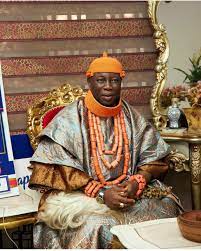
THE Asagba of Asaba, Prof. Epiphany Chigbogu Azinge, SAN, OON, has called for stronger collective efforts from Asaba sons and daughters, the diaspora and alumni associations to advance community and institutional development.
The monarch made the call in separate engagements with Asaba indigenes in the diaspora and members of the University of Nigeria Alumni Association (UNAA) who visited his palace in Asaba.
Diaspora Support for Asaba
Receiving Obi Agbogidi Patrick Onochie Oduma on a courtesy visit, Azinge commended Asaba sons and daughters living abroad for their continued contributions to the development of the community.
He particularly praised Obi Oduma for his support for Asaba and the traditional institution.
The Asagba stressed that developing Asaba was not the responsibility of the monarch alone.
Instead, he described it as a collective responsibility that involved all sons and daughters of the community, both at home and abroad.
Azinge also appreciated Obi Oduma for representing him at the 2026 ANA Convention.
He similarly commended Hon. Kennedy Okafor, President of the Asaba National Association USA, for promoting unity and togetherness among Asaba people in the United States.
Healthcare Projects
The monarch linked the contributions of Asaba people and other partners to several development initiatives under his leadership.
He disclosed that Pastor E.A. Adeboye was expected to commission about six dialysis machines at the Federal Medical Centre, Asaba.
Azinge noted that the Asaba community had previously donated two dialysis machines to hospitals in the city.
The additional machines from the Redeemed Christian Church of God, he said, would further improve access to dialysis services for residents of Asaba and Delta State.
He also disclosed ongoing efforts to attract a cancer centre to Asaba.
According to him, he was engaging foreign organisations and diplomatic representatives, including the Ambassador of the Czech Republic, towards developing the specialised healthcare facility.
The initiative, he said, was intended to improve access to cancer treatment and other specialised medical services.
A Call to Return Home
Azinge urged Asaba people in the diaspora to maintain strong links with their community.
He encouraged them to visit home regularly and assured them that Asaba remained peaceful and welcoming.
Obi Oduma, in response, commended the monarch for his vision and commitment to the progress of Asaba.
He pledged his continued support and assured the Asagba of the backing of Asaba sons and daughters in the United States.


UNN Alumni & Institutional Responsibility
The Asagba’s call for collective responsibility also extended beyond Asaba when the National Executive and members of UNAA paid him a courtesy visit ahead of the association’s national conference in the city.
Led by National President Dr. Kani Sunusi Muhammad, the delegation sought the monarch’s guidance, prayers and royal blessings.
It also formally invited him to serve as Royal Father of the Day at the opening ceremony.
Restoring UNN’s Founding Vision
Azinge challenged the alumni to take greater responsibility for restoring the University of Nigeria to the vision of its founding fathers.
He reminded them of the university’s motto, “To Restore the Dignity of Man,” and urged graduates to examine how they had translated their education into positive contributions to their families, communities and society.
The monarch linked the continuing challenges of poverty, hunger and inequality in Nigeria to the need for educated citizens to do more for society.
He therefore urged UNAA members to deploy their collective influence and resources towards the physical and academic development of their alma mater.
Alumni as Institutional Partners
Azinge pointed to the contributions of old students’ associations to institutions such as the University of Lagos and the University of Ibadan.
He encouraged UNN alumni to pursue similar interventions that could strengthen the university’s infrastructure and academic standards.
The monarch also expressed concern about the decline in the university’s international character.
He recalled the institution’s early years, when students and academics from different parts of the world contributed to its intellectual environment.
Azinge nevertheless commended the diverse UNAA delegation, saying its composition reflected the national character that the University of Nigeria should continue to represent.
Asaba’s Link With UNN
The Asagba also recalled Asaba’s historic relationship with the University of Nigeria.
He specifically referenced the late Prof. Frank Ndili, an illustrious Asaba son who served as Vice Chancellor of the institution.
For UNAA, the connection with Asaba remains significant.
Muhammad said the University of Nigeria, established in 1960, occupies an important place in the history of Nigerian university education as the country’s first indigenous university.
He said its first 220 students were admitted in 1960 and graduated in 1963, while the alumni association emerged in 1965 under the late Prof. BIC Ijomah as its pioneer national president.
A Shared Responsibility
Muhammad said UNAA had maintained a longstanding relationship with Asaba.
He noted that the association’s ninth national president hailed from the city, while its 11th national president assumed office at the Asaba Convention in 1995.
Those links, he said, contributed to the decision to hold the association’s first national conference in Asaba.
The delegation included former Kano State Governor and former Minister of Education, Senator Ibrahim Shekarau, alongside national officers and delegates from branches across Nigeria.
Across both engagements, Azinge’s message was consistent: development depends on people using their positions, resources and relationships to strengthen the institutions and communities to which they belong.


