
FG Consults Marketers, Regulators On Fair Petrol Pricing As FEC Unveils Major Reforms
Government Moves to Address Fuel Pricing Concerns
THE Federal Government says it is engaging petroleum marketers and industry regulators to ensure that the pump prices of refined petroleum products reflect prevailing global crude oil market realities while protecting consumers from unfair pricing practices.
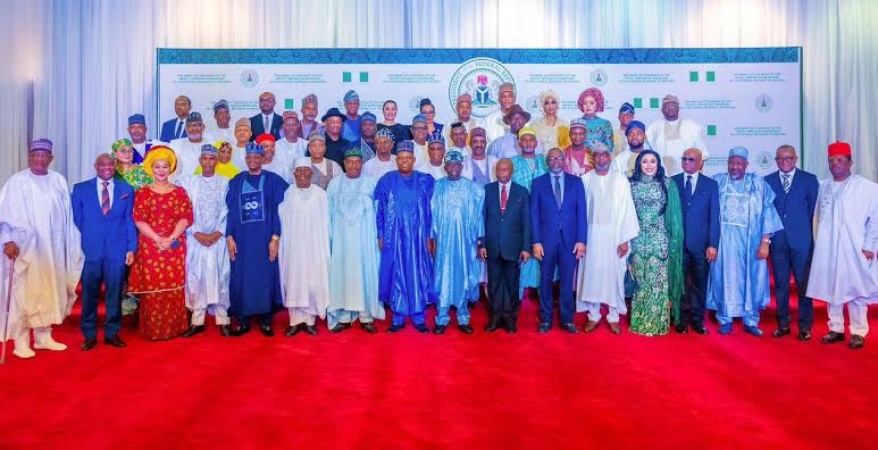
Speaking after the Federal Executive Council (FEC) meeting chaired by President Bola Tinubu at the Presidential Villa, Abuja, Minister of Finance and Coordinating Minister of the Economy, Taiwo Oyedele, said consultations were ongoing with operators across the downstream petroleum sector to achieve a pricing framework that balances commercial sustainability with consumer protection.
The government’s intervention follows growing public concern over the persistence of high petrol prices despite the recent decline in international crude oil prices after tensions between the United States and Iran eased.
Balancing Market Forces and Consumer Protection
Oyedele explained that while marketers often adjust pump prices quickly when crude oil prices rise, reductions usually take longer because existing inventories may have been purchased at higher costs.
According to him, the government’s objective is to ensure that market dynamics do not translate into exploitative pricing for consumers.
He disclosed that regulatory agencies, including the Federal Competition and Consumer Protection Commission (FCCPC) and the Nigerian Midstream and Downstream Petroleum Regulatory Authority (NMDPRA), are already working within the provisions of the Petroleum Industry Act (PIA) to promote transparency and fairness in the downstream petroleum market.
The minister added that fiscal interventions introduced by the Tinubu administration—including the suspension of Value Added Tax (VAT), excise duties and surcharges on petroleum products—have helped cushion the impact of global energy price volatility.
Transport Operators Encouraged to Reduce Fares
Oyedele also urged transport operators benefiting from the Federal Government’s Presidential Compressed Natural Gas (CNG) Initiative to pass the savings generated through subsidised vehicle conversion programmes to commuters.
He said operators using CNG-powered vehicles should reflect their lower operating costs by reducing transport fares instead of maintaining prices based on petrol-powered transportation.
FEC Approves Sweeping NYSC Reforms
Beyond energy policy, the Council approved wide-ranging reforms aimed at repositioning the National Youth Service Corps (NYSC).
Minister of Youth Development, Ayodele Olawande, announced that the scheme would now operate under civilian leadership while the Nigerian military would continue to provide security for corps members nationwide.
He explained that the reforms would introduce specialised skills development programmes, including a proposed Digital Corps that would allow participants to obtain professional certifications capable of improving employability and entrepreneurship opportunities.
Other reforms include digitalisation of NYSC operations, enhanced welfare and security, improved orientation camp facilities, professional identity certification for corps members and amendments to the NYSC Act to align the scheme with current national development priorities.
Infrastructure, Health and Aviation Receive Major Investments
FEC also approved major infrastructure projects across multiple sectors.
Minister of Works, David Umahi, announced the approval of ₦2.078 trillion for the construction and rehabilitation of strategic federal roads across 10 states, alongside additional approvals for key highway projects under tax credit arrangements.
In the aviation sector, Minister of Aviation and Aerospace Development, Festus Keyamo, disclosed that Council approved ₦34.398 billion for the construction of an airstrip in Gboko, Benue State, expected to support agriculture, emergency medical services and security operations.
The Council equally approved maritime projects worth about ₦286 billion, including pollution-control vessels, pilot boats, firefighting vessels and dredging of the Escravos Channel to improve navigation, port efficiency and environmental protection.
Health Sector Gets Funding Boost
The Federal Executive Council also approved significant investments in the health sector.
Minister of Health and Social Welfare, Professor Muhammad Ali Pate, announced the establishment of a National Snakebite Treatment and Research Centre to improve treatment, research and access to anti-venom.
Additional approvals included ₦62 billion for tuberculosis commodities, ₦6.9 billion for CNG-powered mobile blood donation clinics and about ₦5 billion for reproductive health and family planning commodities.
The approvals, according to government officials, are intended to strengthen healthcare delivery, expand access to essential medicines and reduce dependence on imported medical supplies.
