
Customers Protest ATM Card Fee Hike, Urge CBN To Review New Charges
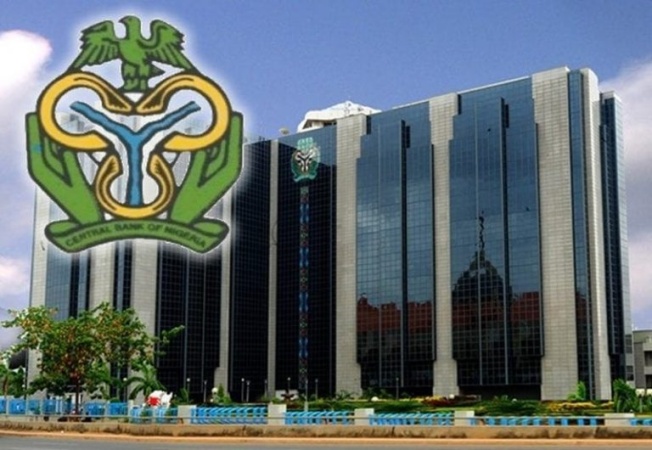
Fresh ATM Card Charges Trigger Customer Backlash
BANK customers across Nigeria have expressed frustration over the recent increase in ATM card issuance and replacement fees, calling on the Central Bank of Nigeria to intervene and review rising banking costs.
The complaints followed a new directive that raised the fee for regular debit and credit card issuance or replacement from ₦1,000 to ₦1,500, representing a 50 per cent increase. The revised charge is expected to take effect from 1st May 2026.
While the CBN simultaneously scrapped the monthly maintenance fee on naira-denominated cards, many customers argue that the immediate increase in replacement and issuance charges adds to an already heavy burden of banking deductions.
Customers Say Charges Are Becoming Excessive
Several customers interviewed in Abuja said they were already dealing with multiple deductions tied to transfers, SMS alerts, POS use, and other service-related fees.
Some account holders argued that increasing card costs at a time of inflation and reduced household purchasing power appears insensitive.
Others said replacing lost, damaged, or expired cards is no longer a minor inconvenience but an additional financial pressure, particularly for low-income earners, students, and small traders.
CBN’s Position and Policy Rationale
The apex bank said the revised guide to charges was introduced to strengthen the financial system, encourage innovation, and promote financial inclusion.
Under the new framework:
- Regular ATM card issuance/replacement costs ₦1,500
- Premium card fees remain negotiable
- Virtual cards attract no issuance charge
- Monthly maintenance fees on naira cards have been removed
- Merchant charges, not customers, apply to POS card payments in many cases
Regulators appear to be balancing cost recovery for banks with a push toward digital payments.
Why Customers Remain Skeptical
Despite the removal of maintenance fees, some users say overall banking charges remain confusing and difficult to track.
Common complaints include:
- Frequent small debits after transfers
- SMS alert charges
- USSD-related costs
- Replacement card delays
- Unclear deductions on some transactions
Consumer advocates say transparency is just as important as pricing.
Wider Impact on Financial Inclusion
Analysts warn that higher card fees could discourage some Nigerians from formal banking channels.
This may affect:
- New account openings
- Card usage among low-income users
- Adoption of digital payments
- Cashless policy expansion
- Trust in formal financial institutions
Nigeria has spent years promoting a cashless economy, and additional costs may slow progress if not carefully managed.
Calls for Engagement
Customers are urging the CBN to open broader consultations with users, consumer groups, and banks before implementing future fee changes.
They argue that policy decisions should reflect everyday realities facing households already coping with inflation and rising living expenses.
Outlook
Whether the new ATM fee survives public pressure may depend on how clearly banks communicate offsetting benefits such as scrapped maintenance charges and cheaper digital alternatives.
For now, the policy has reopened a familiar debate: who should bear the cost of modern banking—the institution or the customer?
