
Outrage In India After US Attack On Iranian Oil Tanker Leaves Three Sailors Dead
Maritime Deaths Spark Political and Public Anger
THE deaths of three Indian seafarers during a United States military strike on a commercial oil tanker carrying Iranian crude have triggered outrage across India, intensifying diplomatic tensions between New Delhi and Washington at a sensitive moment in their bilateral relationship.
The incident occurred in the Sea of Oman, where the Palau-flagged tanker M/T Settebello was reportedly targeted by US forces enforcing a maritime blockade linked to the ongoing confrontation with Iran. The attack resulted in a fire aboard the vessel and a large-scale rescue operation.
The fatalities mark the first confirmed deaths of merchant sailors in US operations aimed at restricting Iranian oil exports, raising concerns in India that its citizens are becoming unintended victims of a conflict in which the country is not directly involved.
Washington Defends Action, India Demands Restraint
American military authorities maintained that the strike followed repeated failures by the vessel’s crew to comply with instructions issued by forces enforcing the blockade.
India, however, responded sharply.
Foreign Ministry spokesperson Randhir Jaiswal publicly called for an end to attacks on commercial shipping, while New Delhi summoned the American chargé d’affaires to seek explanations over the incident.
The diplomatic protest reflects growing concern within India about the safety of its merchant marine workforce, thousands of whom operate aboard vessels traversing some of the world’s most volatile maritime routes.
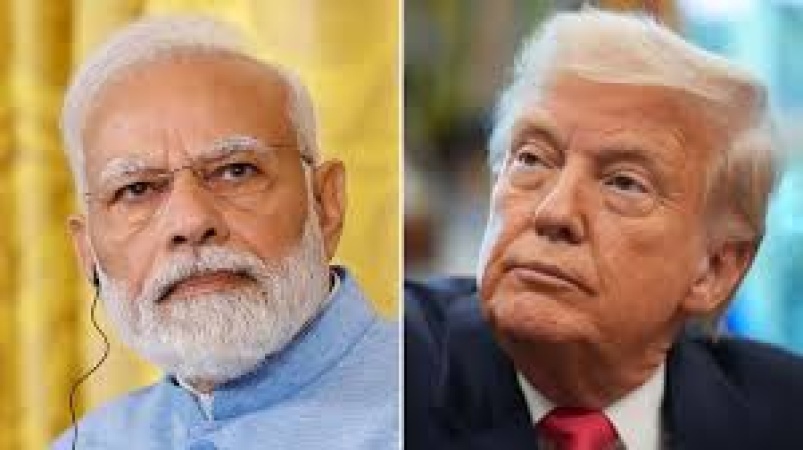
The timing of the dispute is particularly delicate as Prime Minister Narendra Modi prepares for an expected meeting with President Donald Trump on the sidelines of the upcoming G7 summit in France.
Growing Risks for Indian Seafarers
The tragedy aboard the Settebello was not an isolated event.
Just one day earlier, another tanker carrying Indian crew members reportedly came under attack in the Gulf of Oman, forcing emergency rescue operations involving 24 sailors.
A third vessel transporting Iranian oil was subsequently struck by US forces, although its Indian crew members were reported safe.
Together, the incidents have heightened fears among India’s maritime community.
India remains one of the world’s largest suppliers of merchant seafarers, with more than 300,000 citizens working across international shipping networks. Many are employed on foreign-flagged vessels operating in regions vulnerable to geopolitical conflict.
Maritime unions say the latest attacks have created widespread anxiety among crews working in Gulf waters.
Families Seek Accountability
For the families of those killed, the geopolitical debate has become a deeply personal tragedy.
Relatives have demanded answers about the circumstances surrounding the attack, questioning whether adequate rescue efforts were made and whether the strike could have been avoided.
One grieving father told local media that he had spoken to his son shortly before the attack and had been reassured that conditions aboard the vessel were normal.
Now, families are seeking the repatriation of the victims’ remains and a full accounting of what occurred during the final moments before the strike.
Opposition Seizes on Diplomatic Fallout
The deaths have also opened a new front in India’s domestic political debate.
Opposition parties argue that the incident represents a test of New Delhi’s diplomatic influence with Washington.
Critics have questioned whether India’s increasingly public emphasis on strong ties with the United States has translated into meaningful protection for Indian citizens working abroad.
Trade unions and civil society organisations have similarly called for stronger government intervention, arguing that the deaths require a more forceful response from Indian authorities.
A New Challenge for US–India Relations
The maritime tragedy arrives during a period of increasing friction between two countries that have spent the last two decades building a strategic partnership.
Relations have faced strains over trade disputes, tariff disagreements, diverging regional priorities and disagreements surrounding South Asian security issues.
Analysts say the deaths of Indian sailors could further complicate efforts to stabilize relations, especially if additional incidents occur.
For Washington, the episode underscores the unintended consequences of military operations targeting Iranian oil exports.
For India, it raises urgent questions about how to protect one of the world’s largest overseas maritime workforces in an era of escalating geopolitical conflict.
