
Staying Ahead Of Criminals: Essential Security Tips For Everyday Nigerians
Growing Security Concerns Across Nigeria
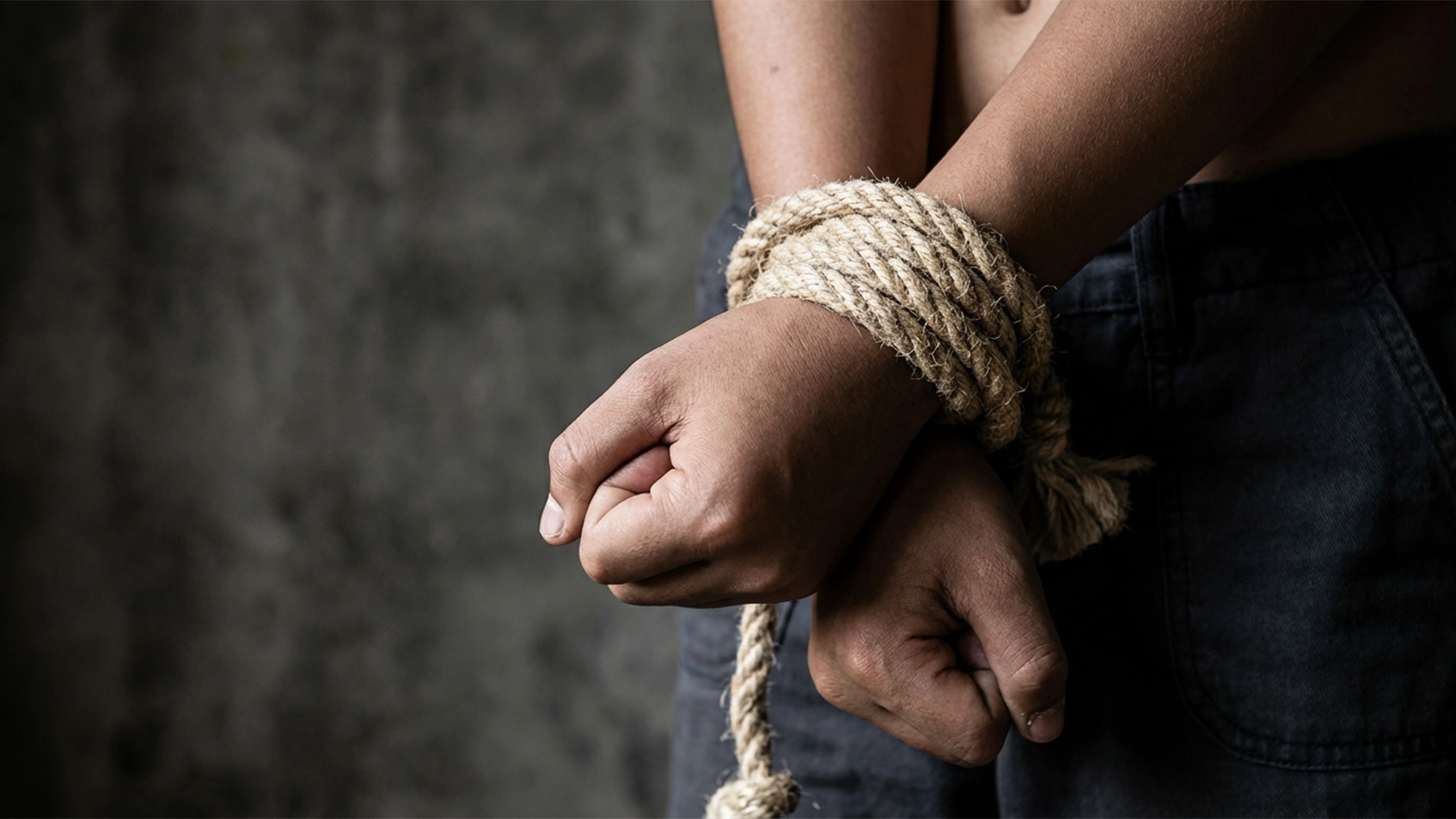
AS kidnapping and abduction incidents continue to spread across different parts of Nigeria, security experts are urging citizens to adopt proactive safety measures to reduce their vulnerability.
Data from security monitoring organisations indicate that thousands of kidnapping incidents have been recorded across the country over the past decade, affecting people from all social classes and regions. While security agencies continue efforts to combat criminal networks, experts stress that personal vigilance remains a critical line of defence.
Increasingly, kidnappers are no longer targeting only wealthy individuals. Students, workers, traders, professionals and even children have become victims, making personal security awareness more important than ever.
Stay Unpredictable and Alert
One of the most effective ways to reduce exposure to criminal surveillance is to avoid predictable routines.
Security experts advise residents to vary their travel routes and departure times regularly rather than following the same pattern every day. Criminals often study potential victims before striking, making predictability a major risk factor.
Drivers are also encouraged to remain observant while on the road. Frequently checking rearview and side mirrors can help detect suspicious vehicles that may be trailing them. If a driver suspects they are being followed, they should avoid heading home and instead proceed to the nearest police station or security checkpoint.
Equally important is the “head-up rule”—remaining aware of one’s surroundings instead of becoming distracted by mobile phones while walking or travelling.
Technology Can Be a Lifeline
Mobile phones can serve as valuable safety tools when used correctly.
Citizens are advised to keep emergency contact numbers readily available, including those of family members, local security agencies and trusted friends.
The use of location-sharing features can also prove crucial during emergencies, allowing trusted contacts to monitor movements in real time when travelling.
Experts further recommend keeping phones fully charged and ensuring sufficient airtime or data availability for emergency communication.
Recognising and Responding to Threats
Personal awareness remains one of the strongest defences against abduction attempts.
Individuals who sense danger or notice suspicious behaviour should trust their instincts and leave the area immediately. Security professionals stress that intuition should never be ignored simply to avoid appearing impolite.
Where an abduction attempt occurs, creating attention through shouting, attracting crowds or causing a public disturbance may help discourage attackers, particularly when they are not heavily armed.
Authorities also encourage citizens to report threats, suspicious movements and unusual activities promptly to law enforcement agencies.
Travel and Transportation Precautions
Security experts advise Nigerians to avoid unnecessary movements during late-night hours, especially in areas with limited security presence.
Public transportation users should exercise caution and avoid vehicles that appear suspicious, unusually empty or occupied by individuals whose behaviour raises concerns.
Ride-hailing services and verified transport operators are often considered safer alternatives. Travellers should also share trip details and live locations with trusted family members or friends whenever possible.
In addition, motorists are encouraged to keep vehicle doors locked and windows raised, particularly in traffic congestion or at traffic intersections where criminals may exploit vulnerabilities.
Protecting Homes and Personal Information
Home security remains an essential component of personal safety.
Residents are advised to scan their surroundings before entering or leaving their homes and remain alert to unfamiliar persons or suspicious vehicles loitering nearby.
Building strong relationships with neighbours can also improve collective security by making it easier to identify unusual activities within a community.
Experts further warn against publicly displaying wealth or discussing sensitive financial matters in open spaces. Flashy lifestyles can attract unwanted attention from criminal groups looking for targets.
Social Media and Security Risks
In an era of digital connectivity, oversharing personal information online has become a growing security concern.
Security professionals advise against posting real-time locations, travel plans or daily routines on social media platforms. Photographs that reveal home addresses, workplaces, schools or family movements can provide valuable intelligence to criminals.
By exercising caution online, individuals can significantly reduce their exposure to surveillance and targeting.
Safety Requires Preparation
Background checks on domestic workers, drivers and household employees are also strongly recommended before employment.
Experts note that many security breaches occur through insider information obtained from individuals with access to personal details and routines.
Citizens are also reminded not to resist violently during robberies or confrontations where lives are at risk.
Property can be replaced; lives cannot.
Ultimately, security experts say personal safety depends on preparedness, awareness and responsible decision-making. In an environment where criminal threats continue to evolve, vigilance remains one of the most effective tools available to ordinary citizens.
