
Faith, History & Accountability: Church Of Scotland Confronts Slavery Past
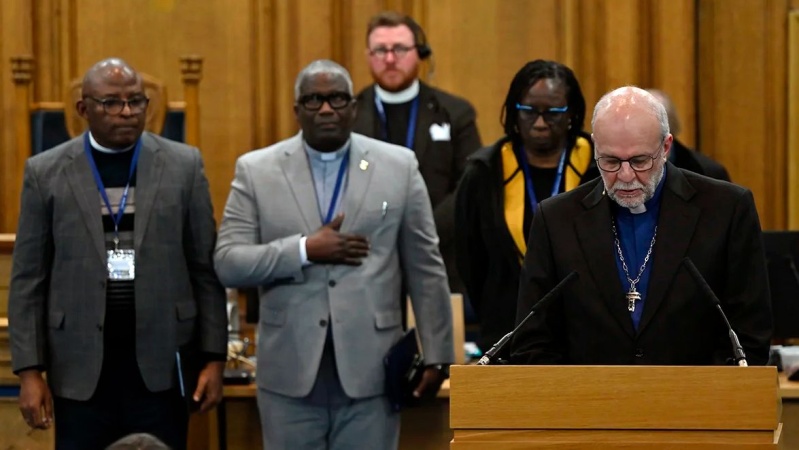
A Long-Overdue Reckoning
THE decision by the Church of Scotland to apologise for its historical role in slavery reflects a growing global movement among institutions confronting their past.
Adopted at the General Assembly in Edinburgh, the apology signals a willingness to engage with uncomfortable truths about religion’s intersection with economic and social systems built on exploitation.
Theology and the Justification of Slavery
Historically, elements within the church provided religious justification for slavery, reinforcing systems that enabled human exploitation across the British Empire.
This acknowledgment highlights how religious doctrine was sometimes used to legitimise inequality and oppression, leaving a legacy that continues to influence modern societal structures.
The Weight of Historical Legacy
According to Sally Foster-Fulton, the consequences of slavery remain embedded in contemporary inequalities, affecting communities across continents.
From economic disparities to systemic discrimination, the enduring impact underscores why institutional accountability remains relevant today.
Truth-Telling as a Path to Healing
The church’s apology frames recognition of past wrongs not as an exercise in blame, but as a necessary step toward reconciliation.
Rose Wedderburn described the process as emotionally challenging but essential, noting that honest engagement fosters healing and mutual understanding.
A Broader Institutional Shift
The apology is part of a wider pattern of reckoning across the United Kingdom, where institutions—including councils in Edinburgh and Glasgow—have begun addressing historical ties to slavery.
These actions reflect increasing public demand for accountability, transparency and restorative justice.
Beyond Words — The Question of Impact
While apologies mark an important step, they also raise questions about what follows.
Observers note that meaningful reconciliation may require:
- Educational initiatives
- Community engagement
- Potential reparative actions
Ultimately, the Church of Scotland’s apology contributes to an ongoing global conversation about history, responsibility and the path toward a more equitable future.
