
Strait of Hormuz Tensions Push Oil Prices Higher As Iran–US Standoff Intensifies
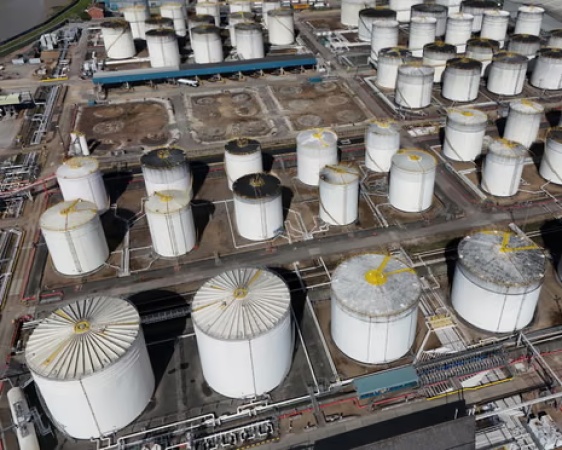
Oil Markets React to Escalating Iran–US Tensions
GLOBAL oil prices climbed after reports that Iran has hardened its position on the Strait of Hormuz, a critical global energy chokepoint, while also accusing the United States of undermining diplomatic trust.
The Strait of Hormuz is one of the world’s most important oil transit routes, handling a significant share of global seaborne crude shipments. Any disruption or perceived threat to its stability typically triggers immediate reactions in energy markets.
According to market reports, Brent crude rose by more than 2% to over $107 per barrel, while U.S. West Texas Intermediate also recorded gains above $96 per barrel amid supply risk fears.
Iran Hardens Position on Strategic Waterway
Iranian officials reportedly stated that the Strait of Hormuz would “under no circumstances” return to its previous operational status, signaling a tougher stance in ongoing geopolitical tensions.
The statement follows a series of diplomatic breakdowns between Tehran and Washington, with Iran accusing the U.S. of breaching trust and undermining any path toward negotiations.
Officials in Tehran have also linked any reopening of the waterway to the end of what they describe as hostile military and naval actions in the region.
Market Fear Driven by Supply Risk
Energy analysts say oil prices are increasingly being shaped not only by supply and demand fundamentals but also by geopolitical risk premiums.
Even without full closure, reduced shipping activity through the Strait of Hormuz is enough to tighten global supply expectations and push prices higher.
The Strait typically carries a large share of global oil flows, meaning even small disruptions can have outsized effects on global fuel pricing.
Wider Diplomatic Breakdown Deepens Uncertainty
The latest price movement also reflects stalled diplomatic engagement between Iran and the United States, with negotiations reportedly delayed or suspended amid mutual accusations.
The breakdown has increased uncertainty in global energy markets, particularly as traders assess the likelihood of prolonged disruption in Middle East supply routes.
What It Means for Global Consumers
Rising crude prices could eventually translate into:
- Higher petrol and diesel prices
- Increased shipping and transport costs
- Inflationary pressure in importing countries
- Volatility in global stock markets
For now, traders say markets remain highly sensitive to any new developments around the Strait.
