
Inside UN’s New Strategy To Fight Crime, Corruption & Terrorism In Nigeria

New UN Strategy Targets Nigeria’s Evolving Security Threats
THE United Nations Office on Drugs and Crime has introduced an ambitious five-year plan aimed at addressing Nigeria’s growing security and governance challenges.
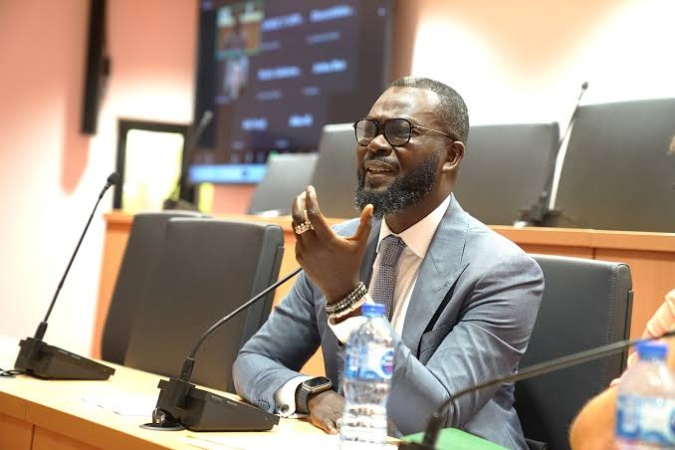
Unveiled in Abuja, the Nigeria Country Programme 2026–2030 reflects a shift toward a more integrated and forward-looking response to crime, corruption, terrorism, and drug-related threats.
Beyond Traditional Policing
According to UNODC Representative Cheikh Toure, Nigeria’s security challenges are increasingly interconnected, requiring solutions that go beyond conventional law enforcement.
The strategy prioritises strengthening institutions across justice delivery, counter-terrorism, anti-corruption systems, and social protection frameworks.
Analysts note that this broader approach acknowledges the socio-economic drivers of crime, including poverty, weak governance, and limited access to justice.
Preparing for Emerging Risks
A key feature of the programme is its emphasis on anticipating future threats, including cybercrime, environmental offences, and vulnerabilities affecting children.
By incorporating data-driven and evidence-based responses, the UNODC aims to improve Nigeria’s capacity to respond proactively rather than reactively.
Human-Centred Security Framework
The programme also places strong emphasis on inclusivity, human rights, and gender equality, ensuring that security interventions address the needs of vulnerable populations.
Toure highlighted the importance of partnerships, noting that collaboration with government, civil society, and the media will be critical to success.
A Long-Term Commitment
With over three decades of engagement in Nigeria, UNODC says the new programme represents its most comprehensive framework yet.
While acknowledging the scale of the challenge, the organisation expressed confidence that sustained collaboration and strategic planning can strengthen Nigeria’s resilience against crime and insecurity.
