
Cement Price Surge To ₦15,000 Sends Shockwaves Through Nigeria’s Construction Sector
Cement Price Spike Disrupts Housing Projects
A sharp increase in cement prices across Nigeria is sending shockwaves through the construction and real estate sectors, raising concerns over delays, cost overruns, and the possible abandonment of housing projects.
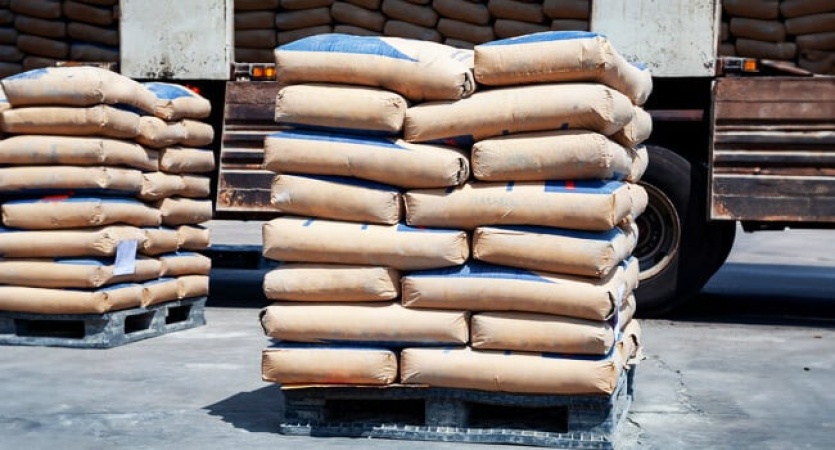
Across several parts of the country, a 50-kilogram bag of cement now sells between ₦11,500 and ₦15,000, compared with about ₦7,500 in the last quarter of 2025. The rapid price escalation has triggered concern among developers already grappling with rising construction costs.
Industry stakeholders say the surge is placing enormous financial pressure on investors and contractors, many of whom are struggling to sustain ongoing projects.
Developers Call for Government Intervention
Reacting to the situation, the President of the Real Estate Developers Association of Nigeria, Akintoye Adeoye, urged the government to intervene by engaging cement manufacturers and other stakeholders in the building materials supply chain.
Adeoye said the recent spike in prices threatens efforts to deliver affordable housing in a country already battling a severe housing deficit.
According to him, cement prices initially rose from about ₦7,500 per bag in late 2025 to around ₦9,000–₦10,000 in early 2026, before surging further to the current levels of ₦11,500 to ₦15,000 in many markets nationwide.
“Cement remains one of the most critical inputs in construction, accounting for a significant portion of building costs,” Adeoye said. “When its price rises sharply, the entire cost structure of housing development is affected.”
Construction Costs Climbing Across the Board
The surge in cement prices is occurring alongside increases in other essential building materials.
Developers say steel prices have increased by about 20 percent, sharp sand by roughly 25 percent, while wood and granite costs have also risen, though at a slower pace.
Experts attribute the increases to a mix of global economic trends, local logistics challenges, and rising demand within Nigeria’s expanding construction sector.
The combined effect, according to developers, has been a steady escalation in project costs, forcing some companies to slow down or suspend building activities.
Housing Sector Faces Mounting Pressure
Housing analysts warn that persistent increases in construction costs could worsen Nigeria’s already significant housing shortage.
Olugbega Nubi, Director of the Centre for Housing and Environmental Sustainability at the University of Lagos, said the surge in material prices is creating ripple effects throughout the sector.
He noted that the construction industry plays a vital role in Nigeria’s economy, contributing significantly to job creation and economic growth.
However, rising costs may force developers to increase housing prices, potentially putting homeownership further out of reach for many Nigerians.
“Higher material costs lead to higher project costs, which can result in delays, cancellations, or reduced project scale,” Nubi said.
Risk of Substandard Construction
Stakeholders also warned that escalating building costs could encourage the use of substandard materials by some developers attempting to cut costs.
Adeoye stressed that such practices could compromise building safety and quality, posing long-term risks to occupants and infrastructure.
He called for urgent collaboration between government agencies, manufacturers, and industry stakeholders to stabilise prices and protect Nigeria’s housing sector.
