
Seven States Face Six-Week Power Disruption Over Grid Upgrade
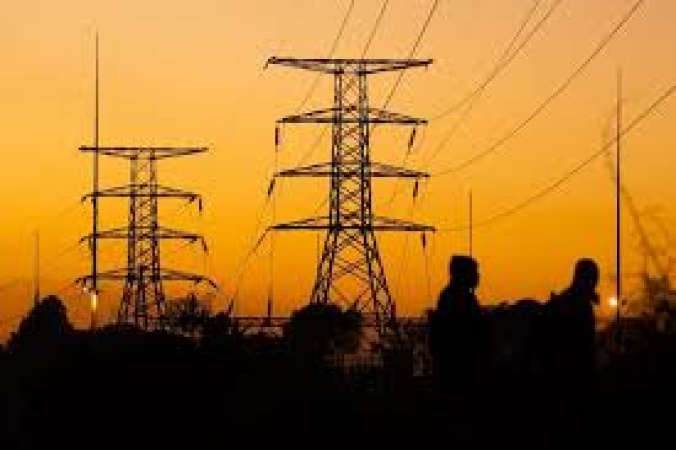
Seven States to Experience Prolonged Power Cuts
ELECTRICITY consumers across seven northern states are set to endure weeks of disrupted power supply following a planned outage on a major transmission line.
The affected states—Plateau, Gombe, Bauchi, Borno, Adamawa, Taraba, and Yobe—will experience intermittent blackouts from 9 April to 22 May 2026, as part of a scheduled upgrade by the Nigerian Independent System Operator (NISO).
The outage will occur weekly from Thursday to Sunday, between 9:00 a.m. and 6:00 p.m., significantly reducing electricity availability during those periods.
Reason Behind the Outage
According to NISO, the disruption is necessary to facilitate the installation of Optical Ground Wire (OPGW) fibre optic infrastructure along the Jos–Gombe 330kV transmission corridor.
The upgrade is expected to enhance the national grid’s operational efficiency by improving Supervisory Control and Data Acquisition (SCADA) systems, Energy Management Systems (EMS), and communication capabilities.
Officials say the project will enable real-time monitoring, faster fault detection, improved load balancing, and better coordination across the power network.
Limited Alternative Supply
Although authorities have assured that alternative electricity supply routes will be utilised, consumers have been warned to expect reduced power during the outage windows.
Power will be rerouted through 132kV transmission lines, which have significantly lower capacity compared to the affected 330kV line.
As a result, many households and businesses are likely to experience inconsistent supply and service limitations throughout the six-week period.
Economic and Social Impact
The planned outage is expected to have economic implications, particularly for small businesses and industries that rely heavily on stable electricity.
Residents may also face increased dependence on generators, raising operational costs amid existing economic pressures.
Long-Term Gains Amid Short-Term Disruptions
Despite the anticipated hardship, NISO insists that the upgrade is critical to strengthening Nigeria’s fragile power infrastructure.
The agency noted that the installation of fibre optic systems will improve grid reliability, reduce system failures, and support more efficient energy distribution in the long term.
While the project underscores the country’s ongoing efforts to modernise its electricity network, it also highlights the challenges of implementing upgrades in a system with limited redundancy.
