
Rising Aviation Fuel Costs Threaten Air Travel Demand In Nigeria
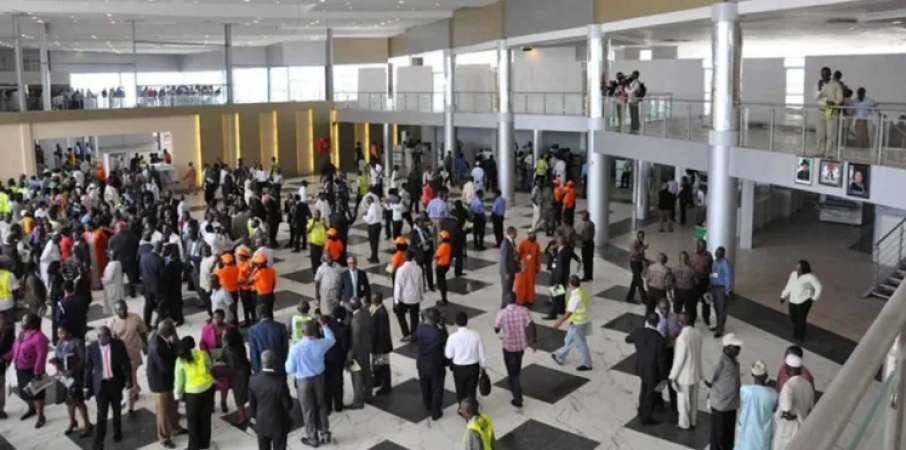
Airlines Face Rising Cost Pressures
AIR travellers in Nigeria may soon pay higher ticket prices as the cost of aviation fuel continues to surge across the country, putting increasing pressure on airline operations.
Jet A1, the primary fuel used by aircraft, is currently selling for as high as ₦1,835 per litre in Kano, ₦1,820 in Abuja, ₦1,815 in Port Harcourt, and ₦1,780 in Lagos, according to industry sources.
Experts say the sharp rise in fuel prices could force airlines to review ticket fares upward in order to offset rising operational costs.
Fuel remains one of the largest expenses for airlines, often accounting for a substantial portion of total operating costs.

Airlines Consider Fare Adjustments
The spokesperson for the Airline Operators of Nigeria (AON), Obiora Okonkwo, said the industry is currently grappling with the sudden spike in aviation fuel prices.
Speaking during an interview on Arise TV, Okonkwo noted that Jet A1 previously sold for around ₦1,000 per litre before the recent surge.
“As we speak now, the last fuel we purchased was around ₦1,800 per litre,” he said.
Okonkwo explained that airlines must follow regulatory procedures before adjusting fares, including notifying the aviation regulator ahead of any price changes.
Under the rules of the Nigeria Civil Aviation Authority (NCAA), airlines are required to submit their pricing inventory for approval at least two weeks before implementing new fares.
This means any fare adjustment will have to go through the proper regulatory review process.

Global Factors Driving Fuel Price Surge
According to Okonkwo, the spike in aviation fuel prices is largely linked to global geopolitical tensions affecting oil markets.
He said developments in the Middle East—particularly involving Iran—have historically had immediate impacts on global crude oil prices.
“It was predictable that anything that happens in Iran will definitely have an effect on oil prices,” he said.
The aviation sector, he added, is particularly vulnerable to external shocks because its operating costs are influenced by global energy markets.
“Even the weather affects aviation operations, so when other factors like fuel prices change, the impact is immediate,” he said.
Travel Demand May Decline
Industry stakeholders warn that rising ticket prices could dampen demand for air travel, particularly during periods of lower passenger traffic.
Okonkwo noted that the current period is traditionally a slow season for airlines.
After the peak travel period during the Christmas and New Year holidays, passenger traffic usually falls sharply, sometimes dropping to 40–60 percent seat occupancy.
With the additional burden of higher ticket prices, airlines may struggle to maintain strong passenger numbers.

Dollar Dependence Worsens Situation
Aviation analyst Samuel Caulcrick said Nigeria’s heavy reliance on the US dollar for petroleum transactions is a major factor behind the high cost of aviation fuel.
According to him, even locally refined fuel is priced based on international crude oil rates, which are denominated in dollars.
“If not for the dollar, the Jet A1 you are talking about would be around ₦900,” Caulcrick said.
He explained that fuel suppliers and refiners—including the Dangote Refinery—must convert naira earnings into dollars to purchase crude oil at global market prices.
This exchange requirement, he said, drives up the final price of aviation fuel in Nigeria.
Call for Currency Stability
Caulcrick noted that the government, through the Central Bank of Nigeria (CBN), has been intervening to stabilise the naira in the foreign exchange market.
According to him, such interventions have prevented the currency from depreciating even further.
Without these measures, he warned, the naira could have weakened to about ₦1,000 per dollar, which would have pushed aviation fuel prices significantly higher.
Impact on Travellers
The rising fuel cost is expected to affect different categories of passengers differently.
While business travellers may still be able to afford higher ticket prices, leisure travellers are more likely to cut back on air travel due to rising costs.
Caulcrick said reduced affordability could lead to lower passenger numbers and put additional financial pressure on airlines already struggling with high operating costs.
