
Plot Exposed: Finance, Foreign Links & The Fractured Burkinabe Military
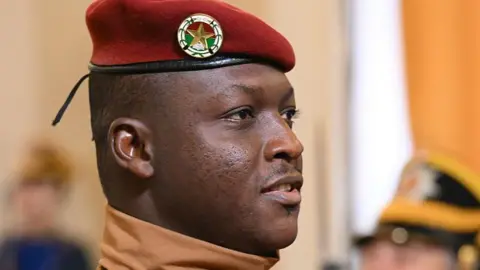
Plot to Kill Traoré Exposed as Intelligence Fracture
BURKINA Faso’s security establishment has revealed that it thwarted what officials describe as a carefully planned assassination and coup attempt against military leader Captain Ibrahim Traoré — just days into 2026. Security Minister Mahamadou Sana said intelligence services detected the operation in the “final hours,” preventing an attack that was scheduled for the night of 3 January.
The alleged mastermind, former transitional president Lt Col Paul-Henri Sandaogo Damiba, is accused of mobilising factions within the military and segments of the civilian population to disrupt state institutions. Sana told national television that Damiba’s network allegedly included funding channels from neighbouring Ivory Coast, with the latest infusion believed to be CFA70 million intended to support the coup’s logistics and recruitment operations.
Assassination Plans and Strategic Targets
Authorities claim the conspirators discussed multiple assassination methods — from a close-range attack to planting explosives at Traoré’s home. The plan reportedly also aimed to degrade the country’s drone-launch capabilities, an essential element of the junta’s counter-insurgency strategy, before introducing a larger military intervention. Investigators are analysing video evidence uncovered during the breach of the plot, and Sana said further arrests are expected as the probe continues.
Political Fallout and Regional Ripple Effects
Since seizing power in a coup in September 2022, Capt. Traoré’s tenure has been defined by both hardline consolidation and repeated allegations of dissent within army ranks. Critics point to the regime’s authoritarian measures — including arbitrary detentions of opponents and media restrictions — and persistent jihadist insurgencies that have displaced vast swaths of the population.
The alleged involvement of external funding and recruits highlights rising regional tensions, especially as the government of Traoré has previously accused neighbouring states of interference and of harbouring destabilising networks. Neither the accused former leader nor authorities in Ivory Coast have responded to the government’s claims, leaving open questions about cross-border political influence in West Africa’s fractious security environment.
Analysts caution that while the plot’s foiling may bolster Traoré’s grip on power temporarily, it also underscores deep fault lines within Burkina Faso’s military hierarchy and the ongoing struggle for control in a country beset by chronic instability.
