
Plateau Visit Backlash: Nigerians Question Leadership In Times Of Tragedy
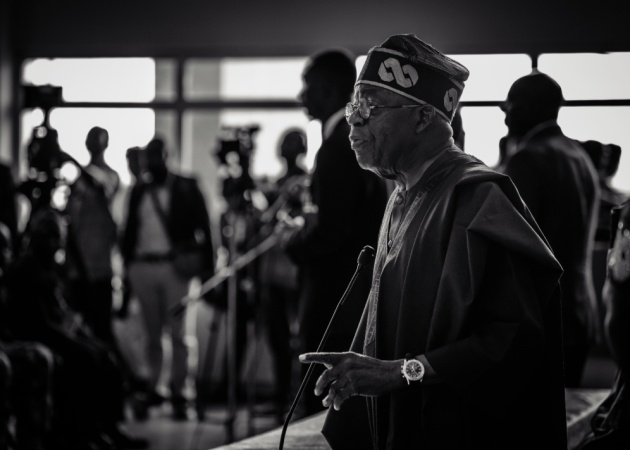
When Leadership Meets Public Expectation
THE fallout from President Bola Ahmed Tinubu’s brief visit to Plateau State has exposed a widening gap between official action and public expectation.
Coming days after deadly attacks in Jos and surrounding communities, the visit was expected to signal solidarity and reassurance. Instead, its execution has sparked outrage, raising fundamental questions about how leaders respond to national tragedies.
A Timeline of Tragedy and Response
The attacks, which left scores dead across multiple communities, occurred during a period of religious significance, intensifying their emotional and symbolic impact.
Against this backdrop, Tinubu’s arrival—and swift departure—was framed by logistical constraints, including limited airport power supply.
Yet, for many observers, the explanation did little to mitigate perceptions of haste and detachment.
Political Criticism and Public Sentiment
Criticism from opposition figures, particularly Atiku Abubakar, has amplified public scrutiny.
Atiku’s argument centres on what he sees as a pattern—visits that prioritise visibility over meaningful engagement.
He questioned why the President did not visit affected communities or hospitals, suggesting that leadership requires physical presence in moments of national grief.
While such critiques carry political undertones, they resonate with a broader public sentiment shaped by repeated experiences of insecurity.
Policy Announcements vs. Immediate Impact
During the visit, Tinubu announced plans for enhanced surveillance infrastructure and directed security agencies to intensify operations.
These measures, while significant, represent long-term strategies rather than immediate relief.
For grieving families, the absence of direct engagement may have overshadowed these policy commitments.
This tension—between long-term planning and immediate empathy—lies at the core of the controversy.
Security Reinforcements and Operational Realities
The deployment of 850 additional troops to Plateau reflects the government’s recognition of the severity of the situation.
Military leadership has emphasised professionalism and coordination, aiming to restore calm and prevent further attacks.
However, repeated reliance on military solutions raises questions about sustainability and the need for broader conflict-resolution strategies.
Religious and Geopolitical Undercurrents
The involvement of international voices, such as Chris Smith, highlights the global dimension of Nigeria’s security challenges.
His call for the protection of Christian communities underscores concerns about religious targeting, particularly during significant observances.
Meanwhile, claims by the Supreme Council for Shariah in Nigeria about foreign involvement introduce a competing narrative—one that frames the violence within a broader geopolitical context.
The Politics of Optics
Modern governance operates in an era where perception often shapes reality.
A 10-minute visit, regardless of its intentions, becomes a powerful symbol—interpreted as either efficiency or indifference, depending on perspective.
In this case, the dominant interpretation appears to lean toward the latter.
Conclusion: Beyond Symbolism
The Plateau visit controversy illustrates a critical lesson in governance: presence alone is not enough.
Citizens increasingly demand leadership that is not only visible but also deeply engaged, empathetic, and responsive.
As Nigeria continues to grapple with security challenges, the effectiveness of its leadership will be judged not just by policies announced, but by the human connection demonstrated in moments of crisis.
In the end, the question is not whether leaders show up—but how they show up, and what their presence truly means to those affected.
