
Petrol Panic: Lagos Drivers Rush To Beat Rising Prices
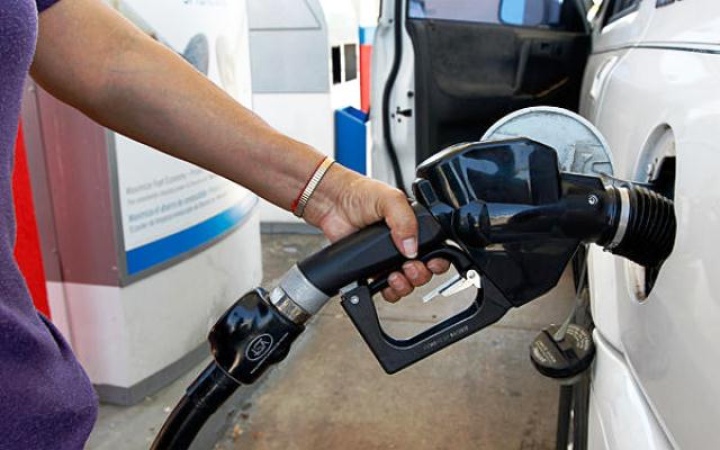
Long Queues at MRS Stations
FUEL queues are resurfacing across Lagos as petrol prices climb above ₦1,000 per litre. On Saturday morning, motorists and commercial drivers were spotted forming long lines at MRS filling stations along the Ibadan/Lagos Expressway, where Premium Motor Spirit (PMS) was still being sold at ₦937 per litre.
Other stations on the same route, however, did not witness similar congestion, as most had increased pump prices above the ₦1,000 mark. Eterna Plc now sells petrol at ₦1,040 per litre, while North West Capital Oil and Fatgbems have adjusted prices to ₦1,030 per litre. Mobil pumps are slightly lower at ₦1,025 per litre.
Despite the rush, a few stations, including some outlets of NNPC Limited, remained closed. The NNPC station at OPIC Estate was still shut by 7:00 AM, though the reasons for the closure—whether product shortage or operational challenges—could not be immediately confirmed. Similarly, certain TotalEnergies stations along the expressway reported low activity or were not selling petrol at all.
Global Crude Prices Drive Local Hikes
The resurgence of queues follows a sharp increase in international crude oil prices, which surpassed $80 per barrel earlier in the week. Dangote Petroleum Refinery & Petrochemicals had earlier raised its ex-depot price from ₦774 to ₦874 per litre—a ₦100 jump—triggering expectations of further increases at retail outlets.
Economist Paul Alaje, Chief Economist at SPM Professionals, had warned on Channels Television that petrol prices in Nigeria could surpass ₦1,000 per litre if the ongoing Middle East conflict involving the United States, Israel, and Iran escalates.
“Crude oil increases immediately translate into higher costs for PMS, diesel, and aviation fuel, which in turn affects household spending and business operations,” Alaje said. “If PMS hits ₦1,000, you can imagine the impact on diesel, flight tickets, and inflation.”
Geopolitical Tensions in the Middle East
The recent spike in fuel prices is closely tied to escalating tensions in the Middle East. The US and Israel have intensified attacks on Iran, while Tehran has retaliated with missiles and drone strikes across the region, including Lebanon, Saudi Arabia, Qatar, and Dubai.
The Strait of Hormuz, a vital corridor through which roughly a fifth of global oil passes, has effectively been blocked. Analysts warn that if the conflict persists, the disruptions could trigger a fresh energy crisis and further hike global energy costs.
Oil prices surged nearly 14% on Monday before easing slightly, while European natural gas prices jumped almost 40% after Qatar halted liquefied natural gas production. An Iranian Revolutionary Guards general warned that any ship attempting to navigate the Strait of Hormuz would be “burned,” further threatening global supply.
Implications for Nigerians
For Nigerian motorists, the ripple effects are immediate and painful. Petrol costs above ₦1,000 per litre affect transportation, food prices, and household budgets, hitting the poor and middle class hardest. Economists caution that if international tensions continue, inflationary pressures could escalate sharply, compounding economic challenges already facing consumers.
