
Northern Nigeria Slides Deeper Into Crisis After US Airstrikes
Airstrikes and an Unintended Escalation
WHEN United States warplanes struck suspected terrorist hideouts in Sokoto State on Christmas Day, 25 December 2025, Nigerian authorities publicly welcomed the move, describing it as a strategic boost to the country’s counterterrorism campaign. The strikes, carried out with federal approval, were aimed at degrading Islamic State-affiliated cells operating along the Sahel-Nigeria corridor.
Less than a month later, however, insecurity across Northern and North-Central Nigeria has intensified sharply, raising questions about whether the intervention has had unintended consequences. Since Christmas, at least 183 people have been killed and 366 abducted across multiple states, according to compiled media and security reports.
The Sokoto Strike: Turning Point or Trigger?
Sokoto State had previously remained on the fringes of Nigeria’s main insurgency theatres. The U.S. airstrikes marked a rare escalation, signaling international concern over the spread of jihadist groups beyond the North-East.
Yet details surrounding the operation remain limited. Neither Nigerian nor U.S. officials have released comprehensive information on casualties or long-term impact. Security analysts suggest the strikes may have disrupted local power balances, creating opportunities for armed groups to regroup or expand into new areas.
Within days, attacks surged across the region, suggesting a rapid and violent response by multiple actors.
A Surge of Coordinated Violence
From Plateau to Zamfara, Niger to Kaduna, armed groups carried out near-daily assaults on rural communities, markets, and places of worship. On 26 December alone, attacks in Plateau and Niger States left at least 16 people dead, with dozens kidnapped.
By mid-January, the violence had reached alarming levels. On 17 and 18 January, bandits stormed three churches in Kajuru Local Government Area of Kaduna State, abducting 177 worshippers in one of the largest mass kidnappings recorded this year.
In Borno State, Boko Haram and Islamic State West Africa Province (ISWAP) remained active. On 21 January, a suicide bomber rammed into a military convoy in the Timbuktu Triangle, killing five soldiers and injuring several others.
Fragmented Armed Actors, Expanding Threats
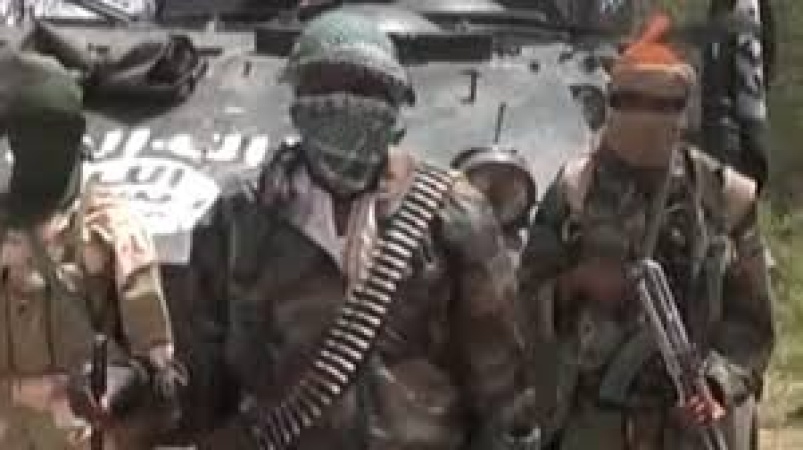
Nigeria’s security crisis has evolved beyond a single insurgency. Analysts describe a complex, multi-front conflict involving:
-
Jihadist groups such as Boko Haram and ISWAP, maintaining ideological and operational cohesion.
-
Bandit gangs, driven largely by ransom, arms trafficking and territorial control.
-
Hybrid groups like Lakurawa, blending criminal activity with ideological enforcement, including taxation and forced recruitment.
Lakurawa’s emergence in the North-West has particularly alarmed security officials, who warn the group could bridge Sahelian jihadist networks and Nigeria’s criminal economy.
Kidnapping as a Sustained Economy
Kidnapping has become increasingly organised. Armed groups operate with defined roles—surveillance teams, attack units, negotiators and logistics handlers—allowing them to extract millions in ransom payments. These funds are reinvested into weapons, recruitment and territorial expansion.
Nigeria now ranks among the world’s most affected countries by kidnapping-for-ransom, with rural communities bearing the brunt.
Structural Drivers of Violence
Beyond military action, experts point to deep-rooted factors driving instability: poverty, youth unemployment, weak local governance, porous borders, arms proliferation and poor coordination among security agencies. Ethnic and religious tensions further complicate responses, particularly in flashpoints like Plateau State.
A Difficult Road Ahead
The Federal Government faces a delicate balancing act. While foreign military support may weaken transnational terrorist networks, analysts warn that without strong domestic stabilisation measures, such interventions risk fuelling retaliatory violence.
As Nigeria grapples with a more decentralised and lethal security landscape, the challenge remains translating tactical operations into lasting peace.
