
Israel Agrees To Beirut Strike Pause As U.S. Pushes Peace Talks
Temporary Relief for Beirut
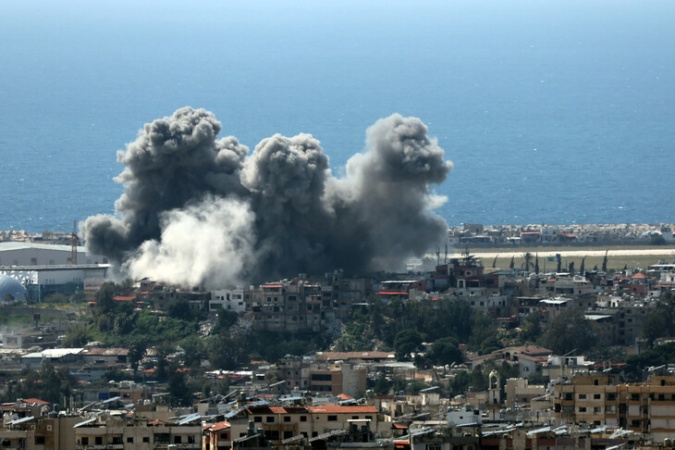
BEIRUT may experience a temporary reprieve from weeks of intense bombardment after Israel reportedly agreed to suspend strikes on the city at the request of the United States.
The decision, though not officially confirmed by Israeli authorities, is seen as a calculated step aimed at easing tensions ahead of anticipated direct talks between Israel and Lebanon.
Diplomatic sources indicate that Washington played a central role in securing the pause, urging Israel to reduce military activity as a confidence-building measure before negotiations begin.
Backdrop of Escalating Violence
The reported pause comes after a period of severe escalation in the conflict, during which Israeli airstrikes on Beirut and other parts of Lebanon caused significant casualties and destruction.
In one of the deadliest incidents, hundreds were killed in a single day of bombardment, intensifying humanitarian concerns and drawing widespread international condemnation.
The ongoing hostilities are part of a broader confrontation involving Hezbollah, whose cross-border attacks have triggered sustained Israeli military responses.
Diplomatic Momentum Builds
The planned talks in Washington represent a notable shift toward diplomacy after weeks of escalating violence.
For the first time in decades, both Israel and Lebanon are preparing for direct engagement, with discussions expected to address ceasefire arrangements and longer-term security concerns.
The United States has been instrumental in facilitating the process, alongside other international stakeholders seeking to stabilise the region.
Limits of the Ceasefire Gesture
However, the reported halt in strikes is limited in scope, applying primarily to Beirut and not necessarily extending to other areas of Lebanon.
Israeli officials have indicated that military operations against Hezbollah will continue, reflecting a broader strategy that prioritises security objectives even amid diplomatic efforts.
This dual-track approach—combining negotiations with ongoing military action—highlights the complexities of the situation.
Regional Dynamics at Play
The conflict is deeply intertwined with wider regional tensions, particularly involving Iran, which supports Hezbollah and has called for a broader ceasefire.
Iranian officials have warned that continued hostilities in Lebanon could jeopardise parallel negotiations with the United States, adding another layer of urgency to diplomatic efforts.
At the same time, divisions within Lebanon over Hezbollah’s role further complicate the country’s negotiating position.
A Fragile Opening
While the pause in strikes offers a glimmer of hope, observers caution that it remains a fragile and potentially short-lived development.
The success of the upcoming talks will depend on whether both sides can move beyond tactical concessions toward meaningful agreements.
For now, Beirut’s temporary calm underscores a broader reality: even limited diplomatic progress in the Middle East often emerges from a backdrop of ongoing conflict and competing strategic interests.
