
High Stakes, Uncertain Gains: Inside U.S. Plans For Possible Iran Offensive
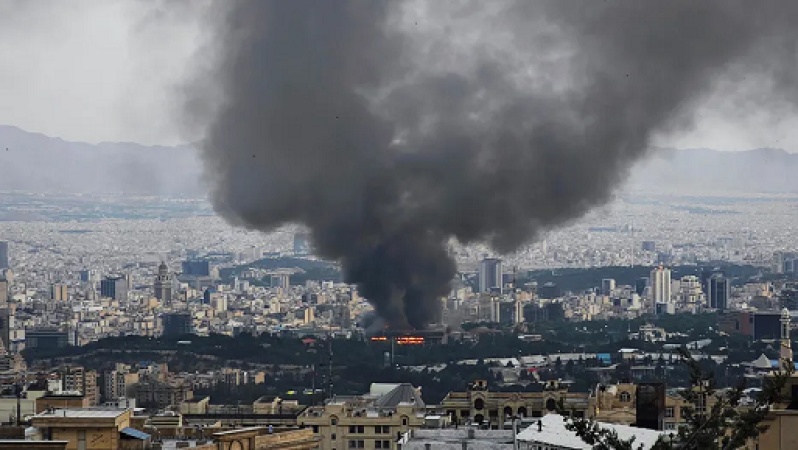
U.S. Weighs Next Phase in Iran Conflict
DONALD Trump is facing mounting pressure as he considers next steps in the escalating conflict with Iran, with military planners outlining options that could significantly intensify the war but carry high risks and uncertain outcomes.
While the current campaign has relied largely on airstrikes, defence officials have reportedly developed scenarios involving the deployment of ground troops to seize strategic targets within Iran. However, analysts and officials caution that such moves could lead to heavy casualties without guaranteeing a decisive end to the conflict.
Diplomacy Still in Play
Despite the military planning, diplomatic efforts remain active. Trump has repeatedly indicated a preference for a negotiated resolution, even as he continues to threaten further escalation.
After initially warning of strikes on Iran’s energy infrastructure, the U.S. leader recently delayed such action, extending a window for negotiations until early April. Administration officials have maintained that preparations for military escalation do not necessarily signal imminent action.
According to White House officials, the objective is to provide the president with “maximum optionality” while talks continue behind the scenes.
Strategic Targets Under Consideration
Among the options under discussion are operations targeting key economic and military assets. These include potential strikes or seizure of Kharg Island—responsible for the bulk of Iran’s oil exports—as well as efforts to neutralise Iran’s nuclear capabilities.
Military planners have also examined the possibility of taking control of strategic islands near the Strait of Hormuz, a vital global oil transit route currently under significant Iranian influence.
Such moves, officials believe, could weaken Iran’s economic leverage and force it toward negotiations. However, experts warn that these objectives may be difficult to achieve and sustain.
Economic and Global Implications
The conflict has already disrupted global energy markets. Iran’s tightening grip on the Strait of Hormuz has constrained oil flows from the Persian Gulf, contributing to rising volatility.
Analysts note that any further escalation—particularly involving key infrastructure or shipping routes—could deepen the crisis. Retaliatory strikes by Iran on regional energy facilities remain a significant concern, especially following earlier attacks on infrastructure in Qatar.
Shipping routes through the Red Sea, currently serving as an alternative corridor, could also come under threat from Iran-aligned groups, further complicating global supply chains.
Risks of Ground Deployment
Perhaps the most contentious option under consideration is the deployment of U.S. ground forces. While some officials argue it could provide leverage in negotiations, others warn it would dramatically increase the human and political costs of the conflict.
Military experts caution that operations inside Iran would expose troops to sustained missile and drone attacks, with no guarantee of quick success. Holding captured territory could prove especially challenging, potentially drawing the U.S. into a prolonged war.
Domestic Political Pressures
The prospect of escalation has also exposed divisions within U.S. political circles. Some lawmakers, including members of Trump’s own party, have signalled opposition to sending troops into Iran, raising the possibility of internal political friction.
Public support, already fragile, could erode further if casualties rise or the conflict drags on.
A Conflict at a Crossroads
As Trump balances diplomatic overtures with military preparedness, the conflict appears to be at a critical juncture. Each option—whether negotiation or escalation—carries significant risks.
For now, the administration faces a difficult calculation: how to secure a decisive outcome without triggering a broader and potentially uncontrollable regional war.
