
High Fares, Empty Buses: Fuel Prices Dampen Easter Travel In Lagos
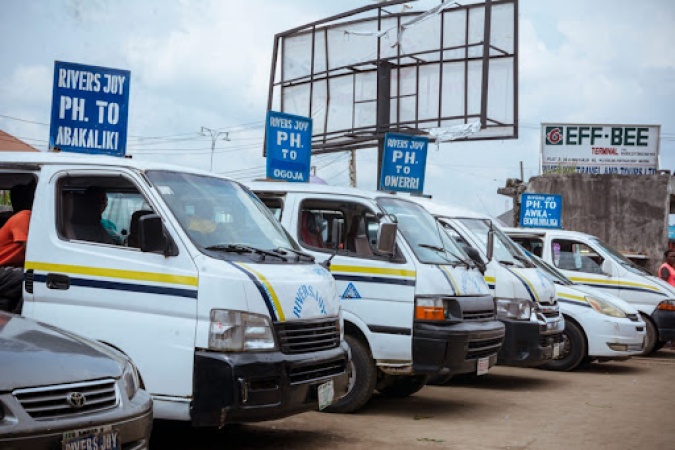
Low Passenger Turnout Ahead of Easter
TRANSPORT operators in Lagos have raised concerns over a sharp decline in passenger turnout ahead of the Easter celebrations, attributing the situation to rising diesel prices and worsening economic conditions.
Traditionally, festive periods such as Easter witness heavy travel movement, particularly from Lagos to eastern and other parts of the country. However, this year’s trend appears markedly different, with operators reporting unusually low patronage across major motor parks.
Rising Diesel Costs Drive Up Fares
At the heart of the downturn is the soaring cost of diesel, now selling between ₦1,800 and ₦1,900 per litre, according to operators.
Mr. Christian Omoh, Manager of Bonnyway Transport at Jibowu, noted that the increase in fuel costs has forced transporters to significantly adjust fares upward.
“Last year, fares to the eastern part of the country were between ₦20,000 and ₦21,000, but now they range from ₦30,000 to ₦35,000,” he said.
The sharp increase, he explained, has discouraged many Nigerians from travelling, leading to a noticeable drop in passenger traffic.
Operators Struggle to Fill Buses
The impact of declining patronage is evident in daily operations. According to Omoh, buses that would typically be filled multiple times a day during festive seasons are now struggling to attract enough passengers.
“We used to load two to three buses daily at this time, but now we can’t even fill one bus,” he lamented.
Other operators echoed similar concerns, noting that the usual Easter rush has yet to materialise, leaving transport businesses operating below capacity.
Operational Costs Weigh Heavily
Mr. Ajayioba Gabriel, Branch Manager of Chisco Transport Nigeria Ltd., highlighted the financial strain on operators, noting that fueling a single bus now costs between ₦600,000 and ₦700,000.
“Diesel has more than doubled from about ₦850 to over ₦1,900 per litre. This has pushed operational costs very high,” he explained.
As a result, luxury bus fares on some routes have climbed to as high as ₦40,000, while standard fares from Lagos to the East now range between ₦30,000 and ₦37,000.
Despite these adjustments, Gabriel noted that many transporters are still struggling to break even.
Passengers Cancel Travel Plans
The rising fares have also taken a toll on passengers, many of whom say they can no longer afford inter-state travel.
Mr. Chinedu Okafor, a trader heading to Enugu, expressed shock at the fare increase.
“Last year, I paid about ₦20,000. Now it’s between ₦30,000 and ₦35,000. It’s very difficult,” he said.
Similarly, Miss Chioma Onyebuchi said she had to cancel her Easter trip to Imo due to the high cost of transportation.
“I decided to stay back in Lagos this year. The fare is just too high,” she explained.
Calls for Government Intervention
Both operators and passengers have called on the Federal Government to urgently address the rising cost of fuel and vehicle maintenance.
Transporters argue that a reduction in diesel prices would directly translate to lower fares and increased travel activity.
They also stressed the need for reforms in the petroleum sector, including improved supply to local refineries, to stabilise fuel prices.
Conclusion: A Quiet Easter Season
As Easter approaches, Lagos motor parks remain unusually calm, reflecting the broader economic realities facing Nigerians.
Without intervention to address fuel costs and inflationary pressures, stakeholders warn that festive travel may continue to decline, altering long-standing seasonal mobility patterns.
