
Grid Fails Again As Nigeria Records Third Collapse In One Month
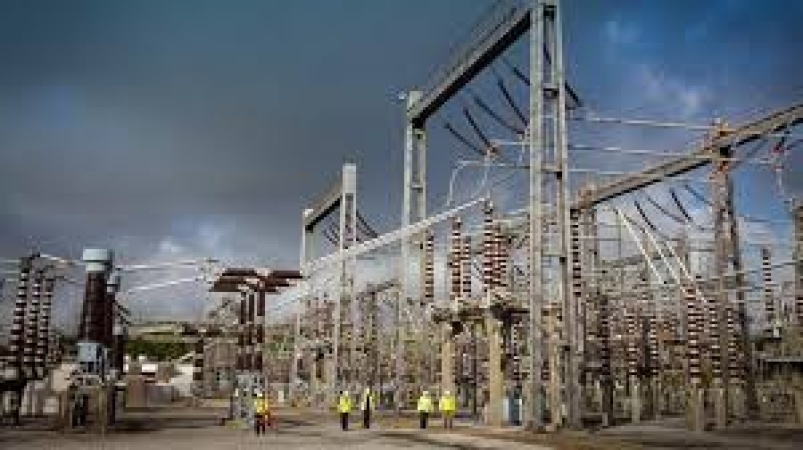
Nigeria’s National Grid Collapses Third Time in January
NIGERIA’S electricity grid has suffered its third collapse in one month, raising fresh concerns over the stability and resilience of the country’s power infrastructure. The latest incident occurred on 27 January 2026, plunging several major cities into darkness for the second time in four days.
According to the Nigerian Independent System Operator (NISO), the disturbance began at about 10:48am following a voltage fault at the Gombe Transmission Substation. The disruption quickly spread across the network, affecting Jebba, Kainji and Ayede transmission substations, and forcing all 23 power generating plants off the grid.
Partial Collapse, Not Total – NISO
NISO clarified that the incident resulted in a partial system collapse, contrary to reports of a total grid failure. It explained that the voltage disturbance triggered the tripping of key transmission lines and generating units.
“Corrective actions were immediately implemented to stabilize the system,” NISO said, noting that restoration began at 11:11am and was completed shortly after. Electricity supply has since returned to affected areas.
Why Grid Collapses Persist
Energy expert Odion Wesley Omonfoman, Founder of New Hampshire Capital Limited, attributed recurring grid failures to the vast and vulnerable transmission network spanning Nigeria’s diverse terrain.
He explained that vandalism, gas supply disruptions to thermal plants, and faults on critical 330kV transmission lines frequently destabilize the system. However, he stressed that the key issue is not the collapse itself but how quickly power is restored.
“It will be difficult to completely stop grid collapses,” Omonfoman said. “What matters is resilience, redundancy and speedy restoration.”
State Grids as a Safety Net
Omonfoman noted that the liberalisation of the electricity sector allows states to develop independent power markets, which can serve as alternatives during national grid failures. He said interconnected state grids would significantly improve system resilience.
However, he warned that the growing exit of large power users from the national grid into captive or renewable power systems could hurt sector revenues.
Experts Call for Structural Reforms
Consumer rights advocate Uket Obonga of the Nigeria Electricity Consumers Advocacy Network (NECAN) said repeated grid collapses are driving businesses out of the country. He called for massive infrastructure investment, electricity market restructuring and power decentralisation.
Former TCN Managing Director Aliyu Tambuwal stressed the need for adequate spinning reserves, strict load discipline by distribution companies and improved gas supply to power plants.
LCCI Demands Forensic Audit
Meanwhile, the Lagos Chamber of Commerce and Industry (LCCI) expressed deep concern over the repeated grid failures, warning that they threaten economic recovery. The Chamber called for an independent forensic audit of the national grid, cautioning that without urgent reforms, Nigeria could face multiple grid collapses in 2026.
