
From Khamenei’s Death To Global Oil Shock: The 13-Day Timeline Of A Rapidly Expanding War

The 13-Day War: A Chronology of the U.S.–Israel–Iran Conflict
THE latest confrontation involving the United States, Israel, and Iran has evolved into one of the most volatile geopolitical crises of the decade.
Sparked by a dramatic military strike that killed Ayatollah Ali Khamenei, the conflict quickly expanded beyond conventional warfare to include retaliatory missile strikes, regional unrest, economic shocks, and escalating international diplomacy.
Across thirteen days, the war moved through multiple phases — targeted assassinations, retaliatory bombardments, domestic protests, maritime tensions, and diplomatic standoffs — drawing in global powers and raising fears of a wider Middle East conflagration.
What follows is a magazine-style investigative chronology of the conflict from its origins through Day 13.
Pre-War Tensions and Public Opposition
Even before the outbreak of open hostilities, the prospect of war with Iran was controversial within the United States.
Surveys conducted in the U.S. showed a majority of Americans opposed military confrontation with Iran. Nevertheless, President Donald Trump maintained a confrontational posture toward Tehran, signaling that Washington was prepared to escalate if necessary.
The divide between public opinion and executive policy set the stage for a conflict that would quickly expand beyond its initial military objectives.

Day 1: The Strike That Changed the Middle East
The war began with a coordinated U.S.–Israeli military strike targeting senior Iranian leadership.
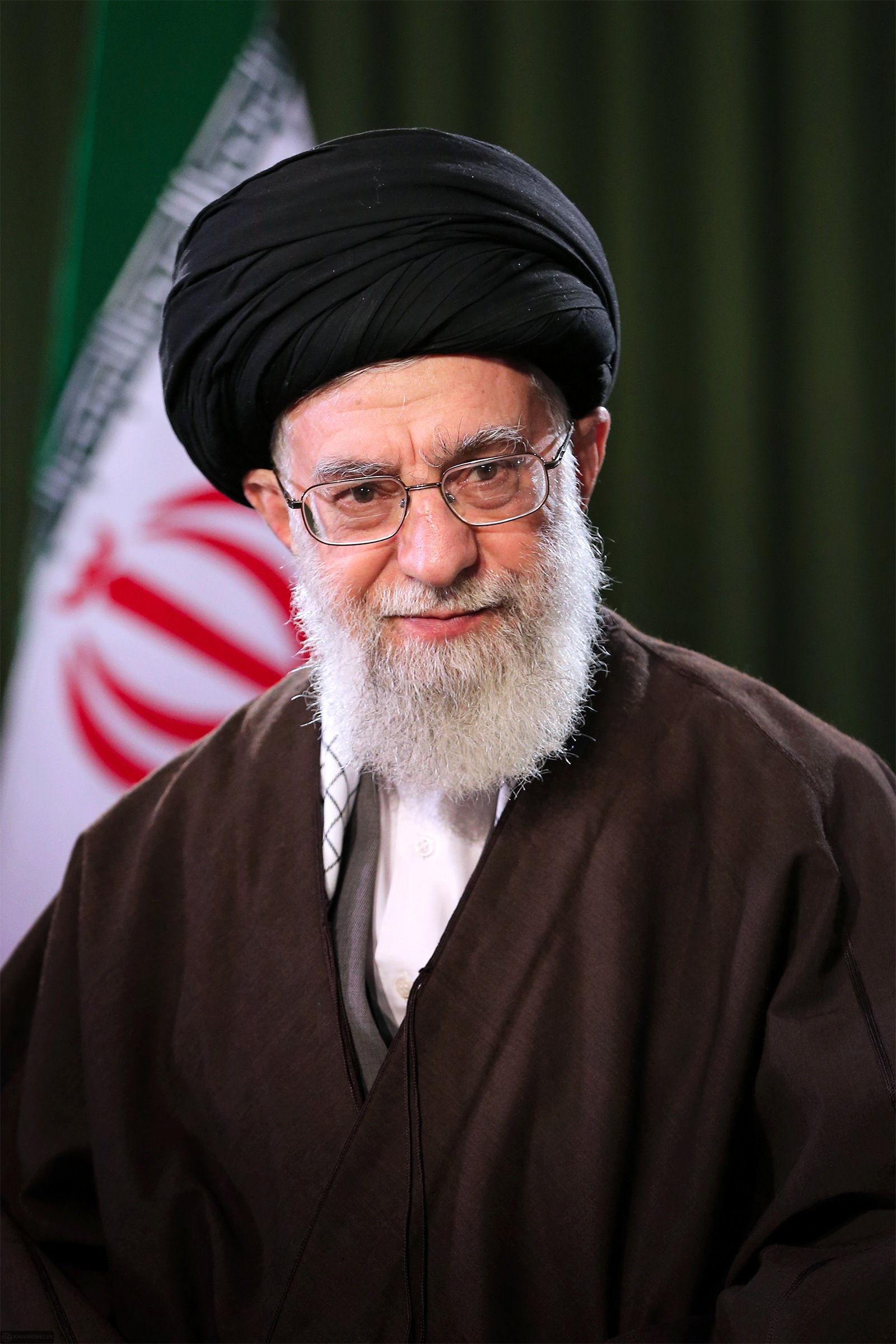
The attack killed Iran’s Supreme Leader, Ayatollah Ali Khamenei, along with dozens of high-ranking officials.
The assassination of one of the most powerful political and religious figures in the Middle East instantly reshaped regional politics.
Iran declared 40 days of national mourning, while its military leadership vowed “severe retaliation.”
Across the region, Iran-aligned groups condemned the strike, calling it an act of aggression designed to destabilize the Islamic Republic.
Global Reactions to the Assassination
World leaders responded swiftly.
Major global powers — including China, Russia, and North Korea — condemned the strike as a violation of international law.
Western allies of the United States adopted more cautious language, urging restraint while emphasizing Israel’s right to security.
The diplomatic divide highlighted the geopolitical fault lines that have increasingly shaped global politics.
Day 2: Retaliation and Civilian Tragedy
Iran’s response began with missile strikes targeting Israeli territory and U.S. military installations.
The attacks caused casualties on both sides. In Israel, nine civilians were reported killed in the strikes.
Meanwhile, reports from Iran indicated severe civilian losses, including a devastating incident in which 185 schoolgirls were killed in a missile strike.
The tragedy drew international condemnation and intensified scrutiny over the humanitarian consequences of the war.
Day 3: Rising Casualties and Military Losses
The third day of fighting saw the first confirmed U.S. military fatalities.
Three American soldiers were killed during Iranian attacks, marking a major escalation for Washington’s direct involvement.
The same period also saw continued missile exchanges between Israel and Iran, raising fears that the conflict could spiral into a prolonged regional war.
Day 4: Trump Predicts Prolonged Conflict
By the fourth day, President Trump publicly predicted that the war could last four to five weeks.
He also refused to rule out deploying U.S. ground troops.
The comments signaled the possibility of a deeper American military commitment beyond aerial and naval operations.

Day 5: The Strait of Hormuz Crisis
Attention quickly shifted to the Strait of Hormuz, through which roughly one-fifth of the world’s oil supply passes.
Iran threatened to disrupt shipping in the waterway, raising alarm across global energy markets.
Naval forces from multiple countries increased their presence in the region to protect commercial vessels.

Day 6: Funeral Delays and Political Battles in Washington
Iran postponed Khamenei’s funeral amid ongoing security concerns.
Meanwhile, in Washington, attempts by the U.S. Senate to limit the president’s war powers failed, allowing the administration to continue military operations without additional congressional authorization.
The development underscored the intense political debate within the United States over the conflict.
Day 7: Expanding Regional Fallout
As fighting continued, the humanitarian toll mounted.
More than 1,000 deaths were eventually reported inside Iran as the conflict intensified.
International aid organizations warned that the war was rapidly creating one of the region’s most severe humanitarian emergencies.
Day 8: Oil Markets React
Global energy markets began responding sharply.
Demand for Russian crude oil surged as supply uncertainty spread through the Middle East.
Energy analysts warned that prolonged instability could reshape global oil trade routes and energy alliances.
Day 9: Diplomatic Strains and Gulf Tensions
The ninth day saw new regional tensions after Iranian strikes targeted Gulf states.
Tehran later issued an apology, describing the attacks as unintended.
Meanwhile, diplomatic tensions also emerged between Washington and United Kingdom after the U.S. rejected an offer related to military cooperation.

Day 10: Leadership Transition in Iran
Amid the continuing conflict, Iran announced a major political shift.
Mojtaba Khamenei was named the country’s new Supreme Leader.
The succession decision aimed to ensure continuity of leadership during wartime.

Day 11: Conflicting Signals About Peace
President Trump indicated that the war might end soon.
However, Iranian leaders rejected ceasefire negotiations, insisting that Washington and Israel must first halt military operations.
The opposing positions suggested that the conflict still had significant room to escalate.
Day 12: Iran’s Conditions for Ending the War
Iran outlined a series of conditions for ending hostilities.
Among them was a demand that the United States and Israel pay reparations for damage inflicted during the conflict.
The demand reflected Tehran’s determination to frame the war as an act of foreign aggression.
Day 13: Maritime Attacks and Humanitarian Crisis
By the thirteenth day, violence had spread further across the region.
Oil tankers were attacked near Iraq, raising fears that shipping lanes could become a new battlefield.
Meanwhile, the World Health Organization warned that airspace restrictions were disrupting emergency aid deliveries to 1.5 million people in the region.
Humanitarian agencies warned that if the war continued, civilian suffering could escalate dramatically.

A Conflict Still Unfolding
Thirteen days into the war, the conflict had already reshaped geopolitical alliances, destabilized energy markets, and triggered a humanitarian crisis.
From the assassination of a supreme leader to retaliatory strikes across multiple countries, the war demonstrates how quickly localized military operations can expand into global crises.
The coming weeks will determine whether diplomatic intervention can halt the violence — or whether the conflict will evolve into an even broader regional war.
