
From Kano To Abuja, Nigerians Struggle As Electricity Supply Shrinks
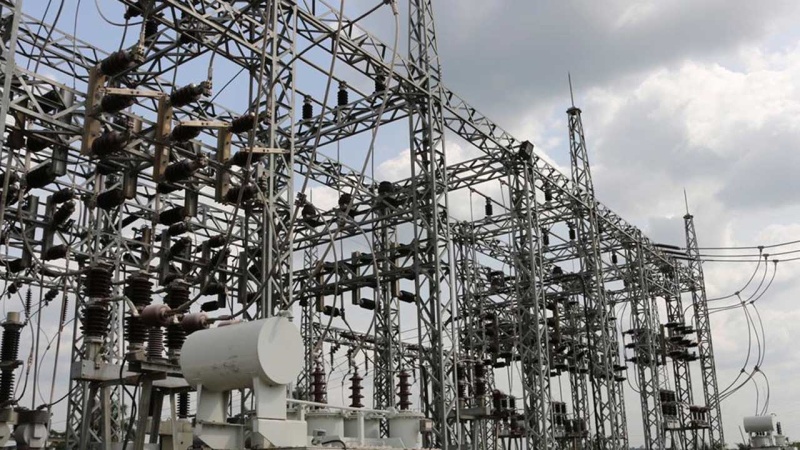
Nationwide Outages Push Businesses to the Brink
PERSISTENT blackouts and intensified load shedding across Nigeria are taking a growing toll on households and small businesses, with many operators reporting shrinking profits, rising fuel costs and, in some cases, outright closure.
Findings indicate that the electricity crisis worsened in early February after gas suppliers reduced volumes to thermal power plants over mounting debts owed by generation companies (GenCos). The disruption coincides with the dry season, when hydroelectric output typically falls due to low water levels, further straining the national grid.
Data from the Nigerian Independent System Operator (NISO) shows that electricity generation has dropped to an average of about 4,300 megawatts (MW), largely due to inadequate gas supply.
Gas Shortfall and Grid Instability
According to NISO, thermal plants — which account for the bulk of Nigeria’s generation mix — require about 1,629.75 million standard cubic feet (MMSCF) of gas daily to operate optimally. However, as of 23 February 2026, actual supply stood at approximately 692 MMSCF, less than 43 per cent of required volumes.
The resulting shortfall has forced distribution companies (DisCos) to ration electricity through load shedding to prevent grid collapse.
Meanwhile, the National Union of Electricity Employees (NUEE) has threatened a nationwide strike following the expiration of a 21-day ultimatum to the federal government. The union alleges anti-labour practices and wage violations by GenCos and DisCos, further clouding prospects for immediate relief.
Kano: Artisans Bleed Profits
In Kano, under the Kano Electricity Distribution Company (KEDCO), artisans say prolonged outages have crippled productivity.
Musa Abdullahi, a welder in Hotoro, now spends between ₦8,000 and ₦12,000 daily on petrol to power his generator. “Projects that used to take one day now stretch to three or four,” he said, noting that some customers have taken their jobs elsewhere.
Frozen food seller Maryam Ibrahim reported losing over ₦300,000 worth of stock after a 48-hour outage damaged her goods. Tailors and barbers also report declining patronage as customers resist higher service charges introduced to offset fuel expenses.
In Yenagoa, Bayelsa State, workshop owners say diesel costs have forced them to scale down operations. Some have temporarily shut down, hoping for improved supply.
Kaduna and Ilorin Turn to Alternatives
In Kaduna, business owners are increasingly adopting gas irons and small solar systems. Aliyu Abubakar of Al Fatimah Laundry Services said customers now sometimes prefer gas ironing to avoid waiting for erratic electricity.
Residents in Zaria and Ilorin describe a similar trend, with small-scale solar installations becoming more common. However, many say solar systems cannot power heavy appliances like refrigerators, leaving households vulnerable to food spoilage.
A computer technician in Ilorin estimates he spends between ₦2,000 and ₦4,000 daily on petrol. “There’s a limit to how much you can pass to customers,” he said, citing stiff competition and declining purchasing power.
Abuja Band A Customers Lament
Even Band A customers in Abuja — who are expected under regulations by the Nigerian Electricity Regulatory Commission (NERC) to receive a minimum of 20 hours of supply daily — say they are experiencing far less.
Residents report receiving between 10 and 15 hours of power, despite paying premium tariffs. Some have stopped buying perishable food in bulk, while supermarket operators say diesel costs are eroding profits.
Metering Gap and Structural Constraints
NERC data shows that 5.19 million electricity customers remain unmetered nationwide. Although 109,556 meters were installed in December 2025, the national metering rate stands at 57.27 per cent, leaving nearly half of active customers on estimated billing.
Analysts say the convergence of gas supply constraints, seasonal hydropower decline, metering deficits and financial disputes across the value chain underscores structural weaknesses in the power sector.
For now, businesses and households remain in survival mode — waiting for gas supply to improve and generation capacity to rebound.
