
Federal, State Governments Share ₦2.3 Trillion Amid Rising Oil-Linked Revenues
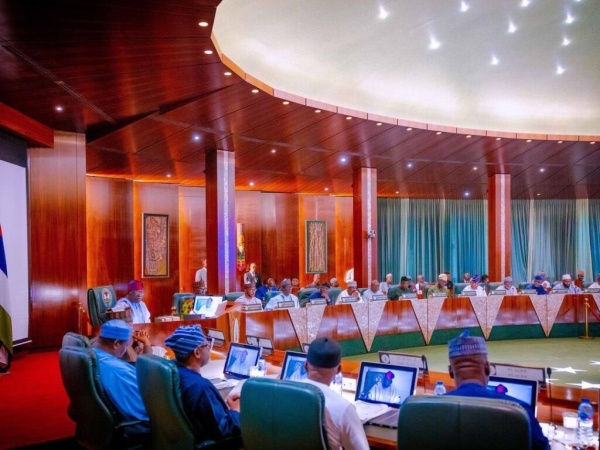
FAAC Allocates ₦2.3 Trillion to Federal, State and Local Governments
THE Federation Account Allocation Committee (FAAC) has distributed a total of ₦2.3 trillion among the Federal Government, state governments and the 774 local government councils as revenue allocation for May 2026.
The allocation was approved during the June 2026 FAAC meeting held in Abuja, according to a statement issued by the Director of Press and Public Relations in the Office of the Auditor-General of the Federation, Mr. Bawa Mokwa.
The disbursement reflects continued improvements in government revenue generation, particularly from statutory sources linked to oil and corporate taxation, despite a decline in Value Added Tax (VAT) receipts.
Breakdown of Revenue Distribution
According to the communiqué, the total distributable revenue consisted of ₦1.611 trillion from statutory revenue and ₦688.785 billion from VAT collections.
Out of the total allocation, the Federal Government received ₦818.680 billion, while the 36 state governments shared ₦759.141 billion. Local government councils received ₦534.277 billion, while oil-producing states obtained ₦188.132 billion as 13 per cent derivation revenue.
The statutory revenue component accounted for the largest share of the allocation. From the ₦1.611 trillion statutory pool, the Federal Government received ₦749.801 billion, states received ₦380.309 billion, while local councils got ₦293.202 billion. The derivation fund remained unchanged at ₦188.132 billion.
Gross Revenue Hits ₦3.4 Trillion
FAAC disclosed that total gross revenue available in May stood at ₦3.395 trillion before deductions.
From this amount, ₦123.546 billion was deducted as the cost of collection, while another ₦971.610 billion was used for transfers, interventions and refunds, leaving ₦2.3 trillion available for sharing.
Officials noted that gross statutory revenue reached ₦2.651 trillion during the month, representing an increase of ₦273.623 billion when compared with the ₦2.378 trillion recorded in April.
The increase highlights the resilience of key revenue streams despite ongoing economic pressures.
VAT Revenue Records Decline
While statutory revenue improved significantly, VAT earnings moved in the opposite direction.
Gross VAT revenue for May stood at ₦743.668 billion, lower than the ₦806.617 billion generated in April. The decline amounted to ₦62.949 billion.
From the distributable VAT revenue of ₦688.785 billion, the Federal Government received ₦68.879 billion, states received ₦378.832 billion, while local governments got ₦241.075 billion.
The reduction in VAT receipts may reflect shifts in consumer spending patterns and broader economic adjustments affecting taxable transactions.
Oil Revenue Drives Fiscal Gains
FAAC reported strong performances across several revenue sources during the review period.
Collections from Companies Income Tax (CIT), Capital Gains Tax (CGT), Stamp Duties, Petroleum Profit Tax (PPT), Hydrocarbon Tax (HT), Oil and Gas Royalties and Import Duties all posted notable increases.
The growth in oil-related revenues remains particularly significant, as it continues to provide a major boost to public finances at a time when governments across the federation are grappling with infrastructure, social welfare and development demands.
Implications for Governments
The latest revenue allocation provides additional fiscal space for federal, state and local authorities to finance projects and meet governance obligations.
Analysts say the increase in statutory earnings could strengthen budget implementation and support ongoing investments in infrastructure, healthcare, education and security. However, concerns remain over the decline in VAT receipts, which many economists view as an indicator of domestic economic activity.
As governments receive larger allocations, attention is expected to shift toward how effectively the funds are deployed to improve public services and stimulate economic growth.
