
Between Diplomacy & Escalation: The High-Stakes US–Iran Standoff
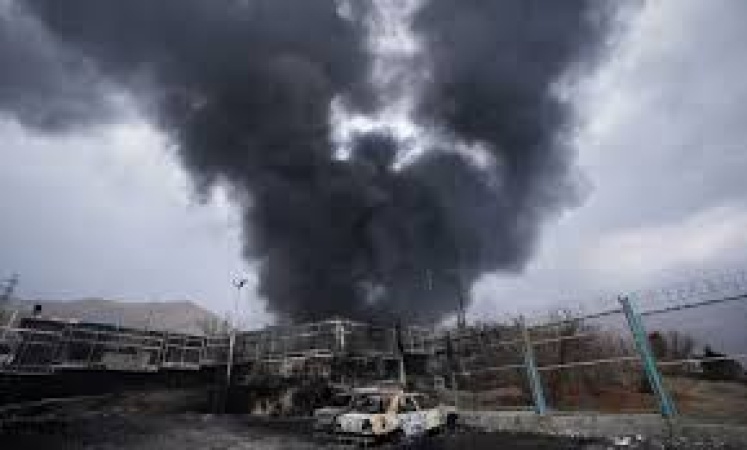
From Backchannel Talks to Battlefield Escalation
THE fragile prospect of peace between the United States and Iran is under renewed strain, as diplomatic overtures collide with deep mistrust and competing strategic interests.
Recent efforts to revive negotiations come weeks after indirect engagements gave way to military confrontation, with US and Israeli strikes marking a turning point in the crisis.
Now, despite fresh signals from Washington indicating a willingness to negotiate, the path back to the table appears fraught with complications.
Conflicting Visions of Peace
At the heart of the deadlock lies a fundamental disagreement over what a resolution should look like.
Washington’s framework focuses on long-standing concerns: Iran’s nuclear programme, its missile capabilities, and its support for armed groups across the Middle East.
Tehran, however, is prioritising sovereignty, security guarantees, and reparations, framing the conflict as an act of aggression that must be addressed before any concessions are made.
This divergence has left mediators struggling to identify common ground.
The Strait of Hormuz Factor
A critical new variable in the crisis is Iran’s growing influence over the Strait of Hormuz, a chokepoint for global energy supplies.
By threatening or restricting access to the waterway, Tehran has gained significant bargaining power, raising the economic stakes of the conflict.
The resulting volatility in global oil markets has intensified pressure on international actors to push for a resolution.

Diplomacy Under the Shadow of Force
Even as discussions about potential talks continue, military dynamics remain central to the crisis.
The United States has increased troop deployments to the region, while maintaining that diplomacy remains its preferred option. At the same time, officials have issued warnings of further action if Iran fails to comply with evolving demands.
This dual-track approach—negotiation backed by force—has historically complicated US–Iran relations and continues to shape current developments.
Mediators and Missed Momentum
Countries such as Pakistan and Turkey have emerged as potential venues for talks, reflecting their roles as intermediaries between the two sides.
However, diplomatic momentum remains weak. Iranian officials have downplayed ongoing exchanges as mere message-passing rather than substantive negotiations, underscoring the absence of formal dialogue.
A Conflict Without Clear Resolution
For regional and global stakeholders, the stakes extend beyond the immediate conflict. The outcome could reshape security dynamics in the Middle East, influence global energy markets, and redefine the limits of diplomatic engagement between adversaries.
Yet, for now, the gap between the two sides remains wide, and the risk of further escalation persists.
Without a shift in positions or a breakthrough in mediation, the conflict appears set to continue—caught between the promise of diplomacy and the reality of war.
