
White House Dinner Gunman Triggers Fresh Questions Over Security Protocols

Armed Incident Disrupts High-Profile Washington Event
A suspected gunman who attempted to breach security at the White House Correspondents’ Dinner has sparked renewed debate over protective arrangements for high-level political gatherings in the United States.
The incident occurred at the Washington Hilton, where President Donald Trump, Vice President JD Vance, cabinet officials, lawmakers, journalists, and guests were in attendance.
Authorities said the suspect was intercepted before reaching the main ballroom, preventing what could have become a major national security crisis.
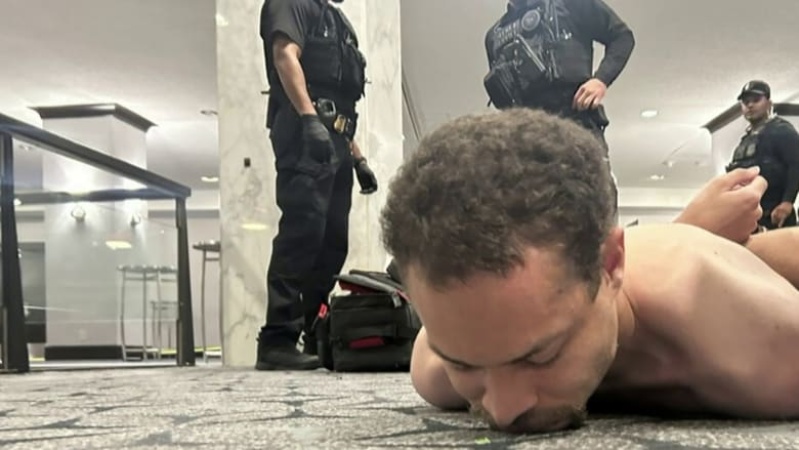
What Happened
Reports indicate the suspect charged through a security checkpoint near the entrance screening area shortly before or during the dinner programme.
Gunfire followed, and one officer was reportedly struck in body armour but avoided serious injury. Law enforcement officers subdued the suspect and took him into custody.
President Trump and other senior officials were evacuated from the venue during the confusion.
Why Security Questions Are Growing
The annual correspondents’ dinner is one of Washington’s most visible gatherings, often bringing together:
- The President
- Vice President
- Cabinet members
- Congressional leaders
- Senior media executives
- Diplomats and celebrities
Security experts say concentrating so many high-ranking officials in one location creates unusual risk.
Analysts noted that the event reportedly did not receive the highest-level “National Special Security Event” designation used for inaugurations or party conventions.
Concerns Over Venue Access
Some reports suggest the suspect may have accessed parts of the hotel by booking accommodation in advance, raising questions about how mixed-use venues handle VIP protection.
Unlike fully sealed government facilities, operating hotels remain active public spaces with multiple entrances, service corridors, guests, and staff movements.
That complexity can make perimeter control more difficult.
Evacuation Protocol Also Examined
Witness accounts described a hurried evacuation process inside the ballroom, with attendees ducking under tables while security teams moved principals to safety.
Observers have questioned whether the sequence of evacuations and crowd management procedures reflected adequate planning for an attack scenario.
Political and Institutional Fallout
The incident has already triggered calls for:
- Congressional review hearings
- Secret Service protocol reassessment
- Tighter security for future presidential events
- Stronger intelligence screening for public venues
The White House has defended the Secret Service response, arguing that the suspect was stopped before entering the main event hall.
Broader Implications
The episode underscores a growing challenge for democracies: balancing open civic events with escalating security threats.
As investigations continue, the central question is no longer only how the suspect was caught—but how he got that close in the first place.
