
Hormuz Flashpoint: Ship Seizures, Oil Pressure & US Sanctions Deepen Gulf Crisis
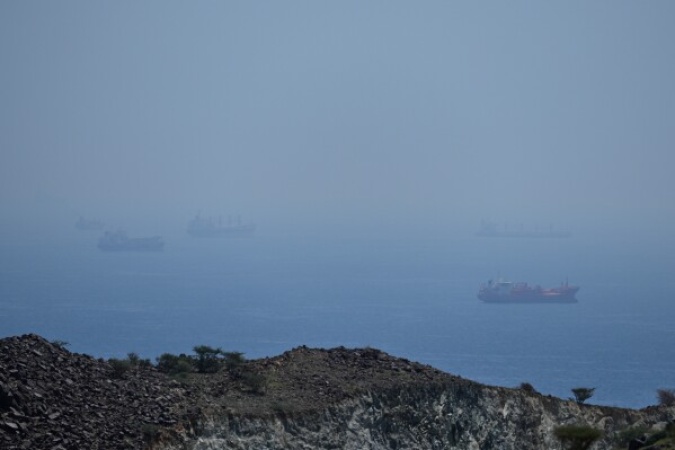
Strait of Hormuz Crisis Widens as Military and Financial Fronts Converge
A fresh wave of confrontations involving Iran, the United States, and regional actors has intensified tensions in the Strait of Hormuz, with ship seizures, reported attacks on vessels, and economic pressure on Iraq combining to deepen one of the most serious Gulf crises in recent years.
The unfolding developments highlight how military, diplomatic, and financial tools are now being deployed simultaneously in a contest with consequences far beyond the Middle East.
Iran’s Maritime Actions Raise Stakes
Iran’s reported attack on a vessel in the Strait of Hormuz, followed by the seizure of two commercial ships, has heightened concerns over freedom of navigation in a corridor central to global energy trade.
The seized vessels were reportedly taken toward Iranian waters, though crews were said to be safe as diplomatic channels opened with concerned states.
Security analysts say the incidents send a message that Tehran retains leverage over one of the world’s most sensitive maritime routes.
Why Hormuz Matters to the World
The Strait of Hormuz handles a major portion of globally traded crude oil and LNG shipments. Even limited disruption can trigger sharp reactions in commodity markets, shipping insurance, and transport costs.
Recent unrest pushed Brent crude above the $100 mark as traders priced in geopolitical risk and possible supply interruptions.
For import-dependent economies, prolonged instability could translate into higher fuel costs and renewed inflationary pressure.
Washington Expands Pressure Through Finance
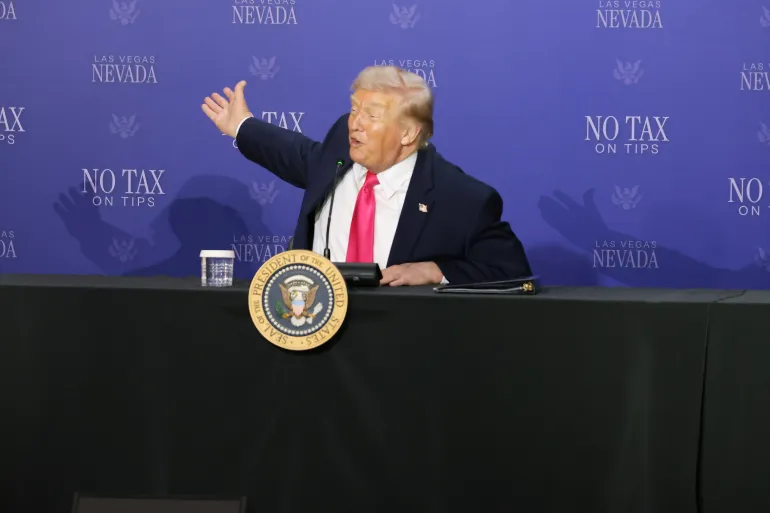
Alongside maritime tensions, reports that the United States halted shipments of Iraq’s oil dollars suggest Washington is widening the contest beyond military space into financial systems.
The move is reportedly aimed at curbing flows that may benefit Iran-linked groups operating in Iraq and elsewhere.
Experts say the action underscores a modern reality of conflict: control over banking channels and revenue streams can be as consequential as naval deployments.
Iraq Caught Between Rival Powers
Iraq remains particularly vulnerable. It depends heavily on oil income while balancing complex political relationships with both Washington and Tehran.
Any interruption in access to dollar revenues could affect public spending, imports, currency stability, and domestic politics.
That places Baghdad in an increasingly difficult position as regional tensions rise.
Diplomacy Under Strain
The incidents come as tentative efforts were reportedly underway to revive negotiations over sanctions, maritime security, and regional de-escalation.
However, attacks at sea and retaliatory economic steps often harden positions on all sides.
Diplomats warn that trust—already scarce—becomes even harder to rebuild when crises escalate in real time.

Global Economic Risks Mount
The combined effect of ship seizures, naval pressure, and financial restrictions could extend beyond the Gulf through:
- Higher oil and gas prices
- Rising freight and insurance costs
- Supply chain delays
- Increased market volatility
- Fresh inflation risks for major economies
These pressures are especially significant at a time when many countries are still navigating fragile post-inflation recoveries.
What Comes Next
Much will depend on whether backchannel diplomacy can contain the latest escalation or whether both sides continue to test leverage through seizures, sanctions, and strategic signaling.
For now, the Strait of Hormuz remains more than a waterway—it has again become a frontline of global geopolitics.
