
30 Nations Join London Talks On Hormuz Military Plan
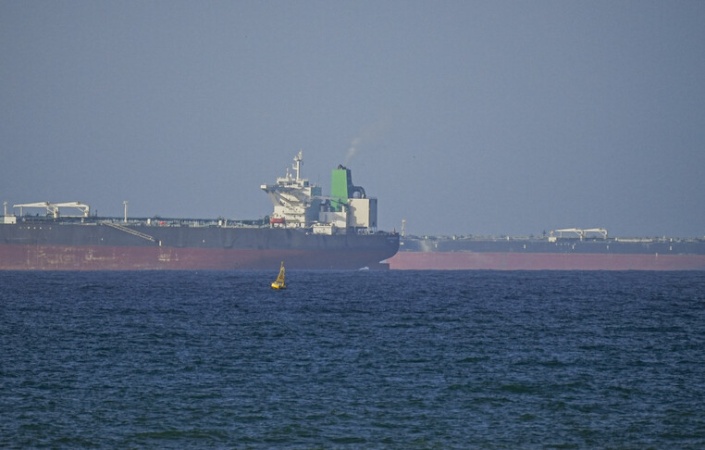
Multinational Security Talks Begin
THE United Kingdom and France are leading a new multinational military planning conference aimed at reopening and securing the Strait of Hormuz, one of the world’s most strategically important maritime routes.
Military planners from more than 30 countries are meeting in London for a two-day conference to develop operational plans that could be activated once regional conditions allow and a sustainable ceasefire is achieved.
The talks underscore growing international concern over shipping disruptions, rising insurance costs and the wider economic risks linked to instability in the Gulf.
Why the Strait Matters
The Strait of Hormuz is a narrow waterway linking the Persian Gulf to global sea lanes. It is one of the most important chokepoints in international trade because a significant share of the world’s crude oil and liquefied natural gas exports passes through it.
Any disruption can trigger:
Higher Oil Prices
Energy markets often react immediately to insecurity in the corridor.
Supply Chain Delays
Commercial shipping reroutes can slow deliveries worldwide.
Insurance Surges
War-risk premiums for tankers and cargo vessels can jump sharply.
Global Inflation Pressure
Higher fuel costs often spread across transport and food prices.
What the Conference Will Discuss
According to reports, planners are expected to focus on military capabilities, deployment logistics, command structures and coordination mechanisms for a possible multinational maritime mission.
Officials say the goal is to translate diplomatic backing into a practical security framework capable of safeguarding freedom of navigation.
Europe Steps Forward
The UK-France leadership role reflects a broader European effort to stabilise shipping routes without relying exclusively on Washington.
Analysts say Europe has direct economic incentives to keep Hormuz open because of its dependence on imported energy and its exposure to global price shocks.
The conference also signals that middle powers are increasingly willing to organise coalition responses to regional crises.
Risks of Escalation
Any military mission in or around Hormuz would carry significant risks.
Miscalculation
Crowded waterways raise the chance of accidental confrontation.
Regional Backlash
Iran and allied groups may view foreign deployments with suspicion.
Mission Creep
Defensive operations can expand unexpectedly during prolonged crises.
Political Divisions
Coalition partners may disagree on rules of engagement.
Implications for Africa and Nigeria
For oil-producing countries like Nigeria, prolonged instability in Hormuz can create mixed outcomes.
Higher crude prices may boost revenues, but imported fuel costs, freight charges and inflation can also rise. Nigeria’s domestic economy remains sensitive to global shipping disruptions.
Final Outlook
The London conference reflects how a regional flashpoint can rapidly become a global economic concern.
Whether the talks produce a workable maritime mission may depend less on military planning and more on whether diplomacy can lower tensions first.
